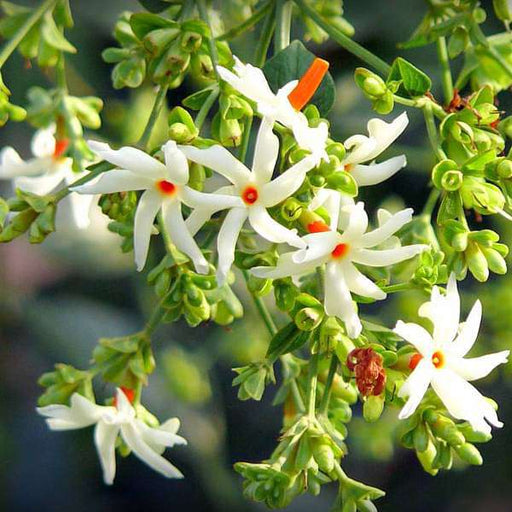
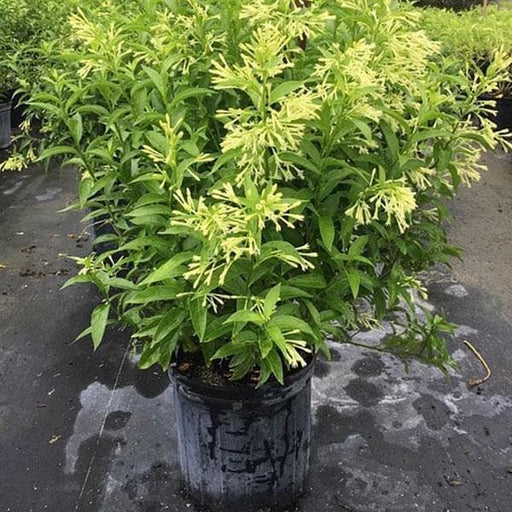
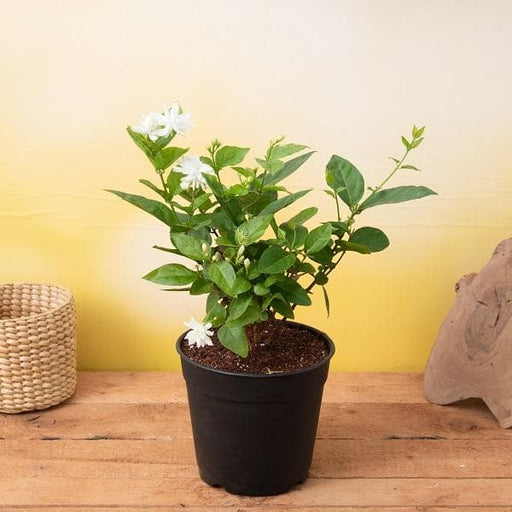
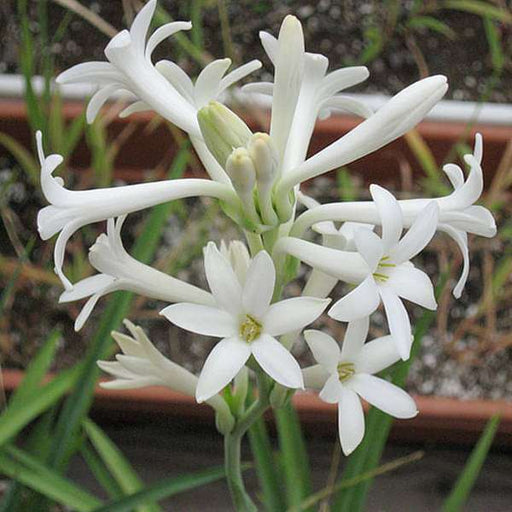
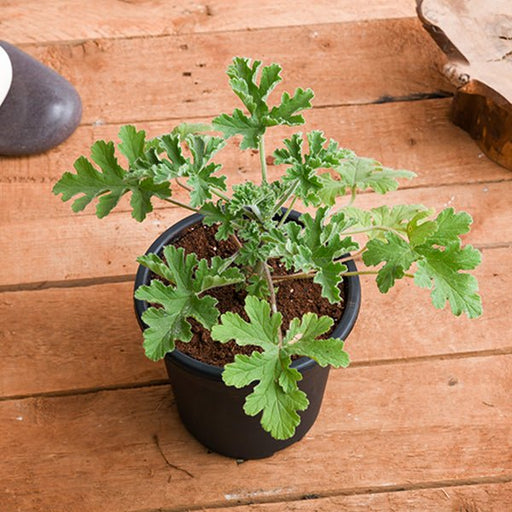
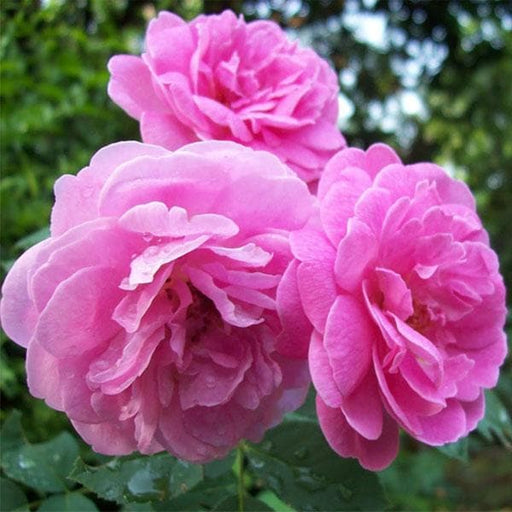
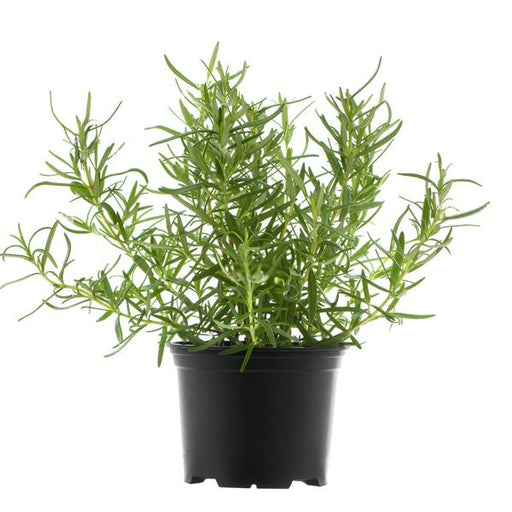
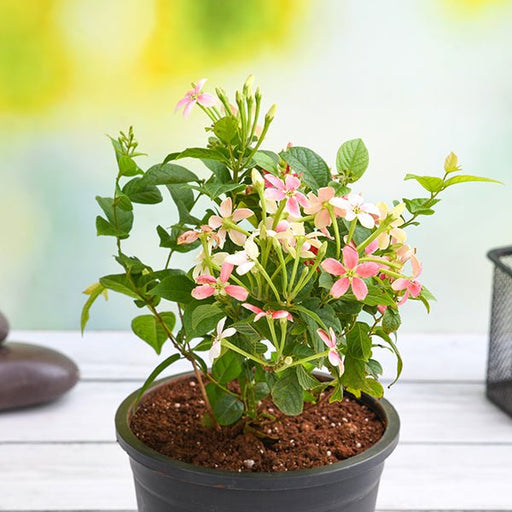
What is an Aster (violet) plant?
Aster (violet) is a charming perennial that flaunts vibrant purple flowers, making it the diva of the garden. These beauties bloom in late summer to fall, attracting pollinators like bees and butterflies. With their daisy-like appearance, they’re the perfect way to add a splash of color and a touch of elegance to your landscape.
How do I care for Aster (violet) plants?
Caring for Aster (violet) is as easy as pie! They thrive in well-drained soil and love full sun, so give them a sunny spot to strut their stuff. Water them regularly, especially during dry spells, and don’t forget to deadhead spent blooms to encourage more flowers. They’ll reward you with a stunning display!
When do Aster (violet) plants bloom?
Aster (violet) plants are the late bloomers of the garden party, typically flowering from late summer to fall. They strut their stuff when many other plants are winding down, providing a burst of color just when you need it. So, sit back and enjoy the show as they light up your garden!
What soil is best for Aster (violet) plants?
Aster (violet) plants are not picky eaters, but they do prefer well-drained soil that’s rich in organic matter. Think of it as their five-star dining experience! A slightly acidic to neutral pH is ideal, so mix in some compost to keep them happy and thriving. They’ll reward you with a floral fiesta!
How often should I water Aster (violet) plants?
Aster (violet) plants like their drinks, but they’re not fans of soggy feet! Water them regularly, especially during dry spells, but let the soil dry out between waterings. Aim for about an inch of water per week, and they’ll be dancing in the breeze, showing off their lovely blooms without a care in the world.
Can Aster (violet) plants grow in containers?
Absolutely! Aster (violet) plants are the perfect candidates for container gardening. Just make sure the pot has good drainage and is filled with quality potting mix. They’ll thrive in a sunny spot on your patio or balcony, bringing a pop of color to your outdoor space. Just don’t forget to water them!
Are Aster (violet) plants deer-resistant?
Aster (violet) plants are like the cool kids at school—deer tend to avoid them! While no plant is entirely deer-proof, their strong scent and texture make them less appealing to these four-legged munchers. So, plant them with confidence, and let your garden flourish without the worry of being a deer buffet!
How do I propagate Aster (violet) plants?
Propagating Aster (violet) plants is as easy as pie! You can do it through division in spring or fall, or by taking cuttings. Just dig up a clump, separate the roots, and replant them. They’ll multiply like rabbits, giving you more of those stunning purple blooms to enjoy. Who doesn’t love free flowers?
What pests affect Aster (violet) plants?
Aster (violet) plants can attract a few uninvited guests, like aphids and spider mites. But fear not! A good spray of water or insecticidal soap can send them packing. Keep an eye out for any signs of trouble, and your Aster will continue to shine bright without the drama of pest invasions.
Do Aster (violet) plants attract pollinators?
Yes, indeed! Aster (violet) plants are like the party hosts of the garden, attracting bees, butterflies, and other pollinators with their vibrant blooms. They provide a late-season nectar source, making them a favorite among these buzzing buddies. Plant them, and watch your garden come alive with fluttering friends!
Are Aster (violet) plants hardy?
Aster (violet) plants are the tough cookies of the garden world! They are hardy perennials, thriving in USDA zones 3 to 8. With a little love and care, they can withstand various weather conditions, making them a reliable choice for your garden. So, plant them and let them show off their resilience!
What are common diseases affecting Aster (violet) plants?
Aster (violet) plants can occasionally face a few health hiccups, like powdery mildew or root rot. But don’t panic! Good air circulation and proper watering practices can keep these issues at bay. If trouble arises, a fungicide or simply removing affected parts can help. Your Aster will be back to blooming in no time!


 White Marble Pebbles (1 kg)
₹199
White Marble Pebbles (1 kg)
₹199 Plant O Boost — Growth Booster
₹239
Plant O Boost — Growth Booster
₹239 Garden Essential Plant Care Kit
₹599
Garden Essential Plant Care Kit
₹599