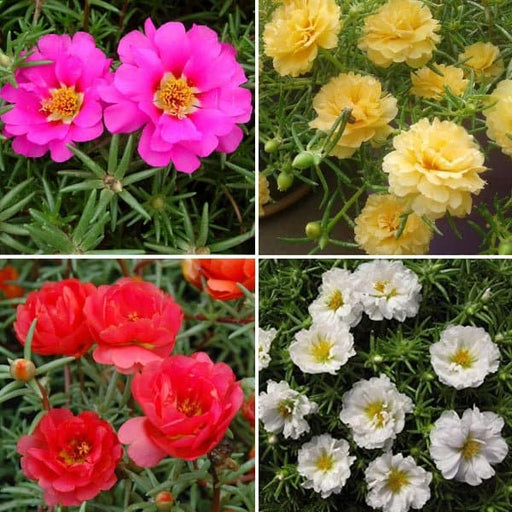
Aster Care
Aster care is like giving your plant a spa day—water, sunlight, and a little love go a long way. These beauties thrive in well-drained soil and prefer full sun, so make sure they’re not stuck in the shade like a wallflower at a dance. Regular deadheading will keep them blooming like they’re auditioning for a floral fashion show. Just remember, too much water can lead to root rot, which is like a bad hair day for your plant. So, treat your Aster to the right conditions, and it’ll reward you with a vibrant display that’ll make your garden the talk of the town.
Aster Varieties
Aster varieties are like a box of chocolates—each one has its own unique flavor and charm. From the classic New England Aster to the delicate Alpine Aster, there’s a type for every garden personality. Some bloom in late summer, while others wait until fall to strut their stuff. With colors ranging from soft pinks to bold purples, you can create a garden that’s as diverse as a family reunion. Just remember, each variety has its own quirks, so do a little research to find the perfect match for your garden’s vibe.
Aster Planting Tips
Planting Asters is like setting up a blind date—location is key! Choose a spot with well-drained soil and plenty of sunlight, and your Aster will feel right at home. Dig a hole that’s twice as wide as the root ball, and don’t forget to loosen the roots a bit; they can be a bit shy at first. Water them in well, and give them a little pep talk about how fabulous they’re going to look. With the right planting tips, your Aster will flourish and become the belle of the garden ball.
Aster Companion Plants
Asters are social butterflies in the plant world, thriving alongside companions like Black-eyed Susans and Sedums. These buddies not only enhance the beauty of your garden but also create a harmonious ecosystem. Think of it as a garden party where everyone brings their best dish to share. The right companions can help deter pests and attract pollinators, making your garden a buzzing hotspot. So, when planning your garden layout, consider inviting Asters to mingle with other plants for a vibrant and lively display.
Aster Pests
Asters may be stunning, but they’re not immune to pests—think of them as the drama queens of the plant kingdom. Aphids, spider mites, and slugs can crash their party, but fear not! A little neem oil or insecticidal soap can send those uninvited guests packing. Regular inspections will help you catch any troublemakers before they turn your Aster into a buffet. With a little vigilance and some pest control tactics, your Aster can continue to shine without the unwanted drama.
Aster Diseases
Asters can sometimes fall victim to diseases like powdery mildew or root rot, which is like catching a cold in the plant world. To keep your Aster healthy, ensure good air circulation and avoid overcrowding—no one likes a cramped party! If you spot any signs of disease, act fast with fungicides or by removing affected leaves. Prevention is key, so water at the base and avoid wetting the foliage. With a little TLC, your Aster will bounce back and keep blooming like the superstar it is.
Aster Propagation
Propagating Asters is like cloning your favorite celebrity—everyone wants a piece of the action! You can easily propagate them through division or cuttings. In spring or fall, dig up your established Aster and gently separate the roots. Replant them in new spots, and voilà! You’ve just created mini versions of your floral superstar. If you prefer cuttings, snip healthy stems and place them in water or soil until they root. With a little patience, you’ll have a whole army of Asters ready to take over your garden.
Aster Fertilization
Fertilizing Asters is like giving them a gourmet meal—just the right nutrients can make them thrive! Use a balanced fertilizer in early spring to kickstart their growth, and follow up with a light feeding during the blooming season. But don’t overdo it; too much fertilizer can lead to leggy plants that are all show and no substance. Think of it as a balanced diet—your Aster needs just the right amount of love to keep looking fabulous without going overboard.
Aster Sunlight Requirements
Asters are sun worshippers, soaking up rays like they’re on a tropical vacation. They thrive in full sun, so make sure they’re not stuck in the shade like a wallflower at a party. Ideally, they need at least six hours of sunlight a day to bloom their best. If they don’t get enough sun, they might sulk and refuse to show off their vibrant colors. So, give your Aster the sunny spot it craves, and watch it flourish like it’s on a beach getaway.
Aster Watering Needs
Watering Asters is like giving them a refreshing drink after a long workout—just the right amount keeps them happy and hydrated. They prefer consistently moist soil, but be careful not to drown them; soggy roots are a recipe for disaster. A good rule of thumb is to water deeply but infrequently, allowing the top inch of soil to dry out between waterings. With the right watering routine, your Aster will thrive and reward you with a stunning display that’ll make your garden the envy of the neighborhood.
Aster Seasonal Care
Seasonal care for Asters is like preparing for a big event—timing is everything! In spring, it’s all about planting and fertilizing to kick off the growing season. As summer rolls in, keep an eye on watering and deadheading to encourage more blooms. When fall arrives, it’s time to enjoy the show and prepare for winter. Cut back the foliage after the first frost to prevent disease and protect the roots. With a little seasonal TLC, your Asters will be the stars of your garden all year round.


 White Marble Pebbles (1 kg)
₹199
White Marble Pebbles (1 kg)
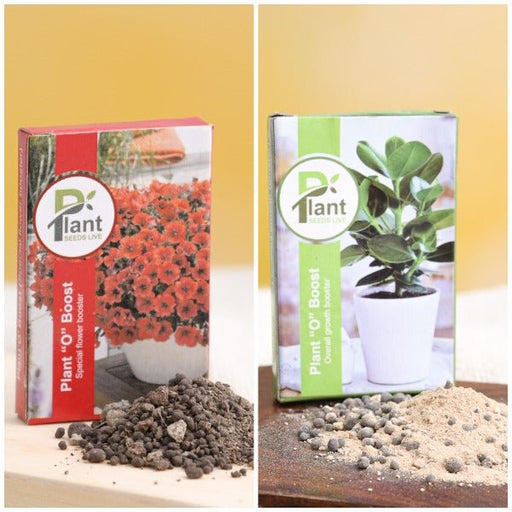
₹199 Plant O Boost — Growth Booster
₹239
Plant O Boost — Growth Booster
₹239 Garden Essential Plant Care Kit
₹599
Garden Essential Plant Care Kit
₹599