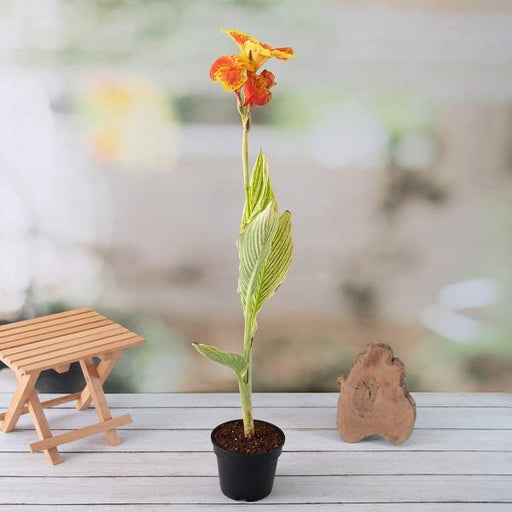
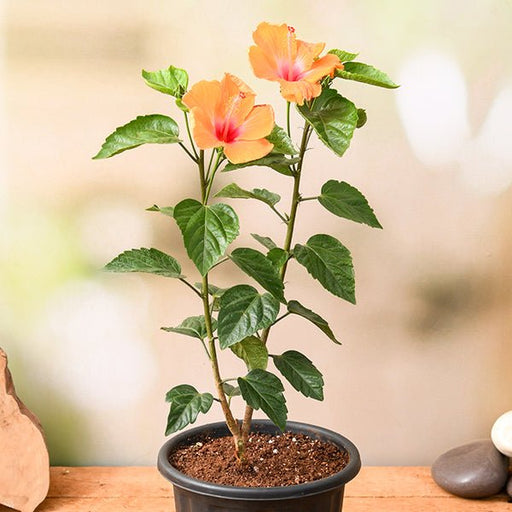
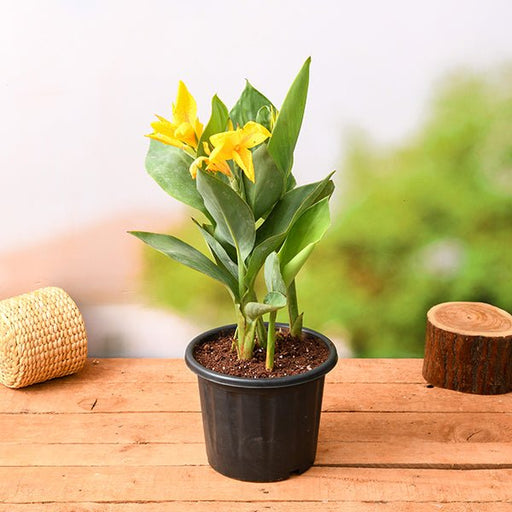
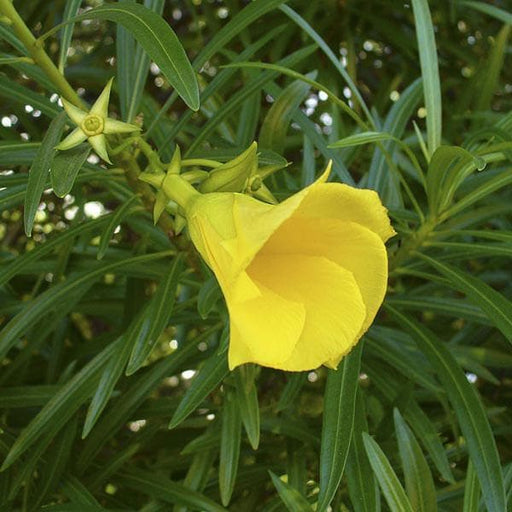
What are the best plants for landscaping?
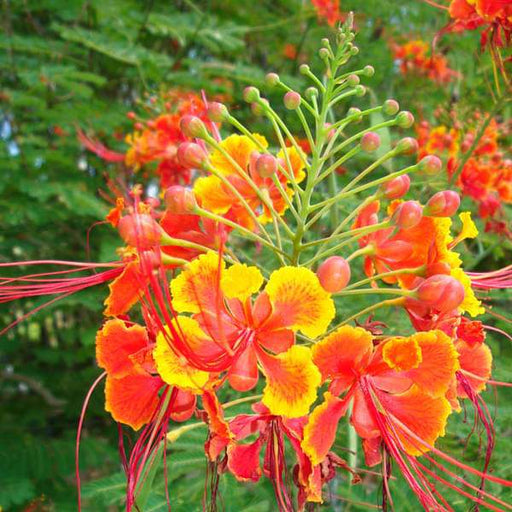
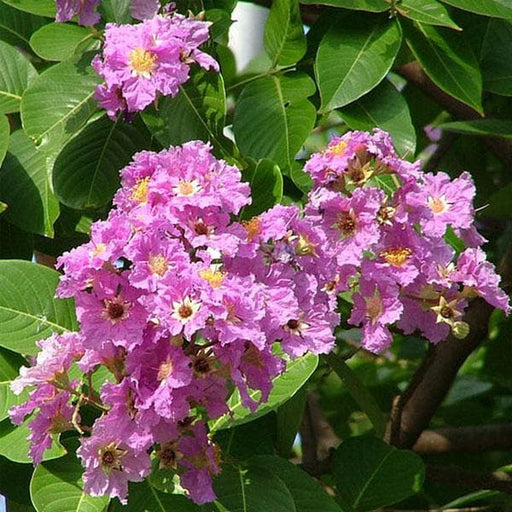
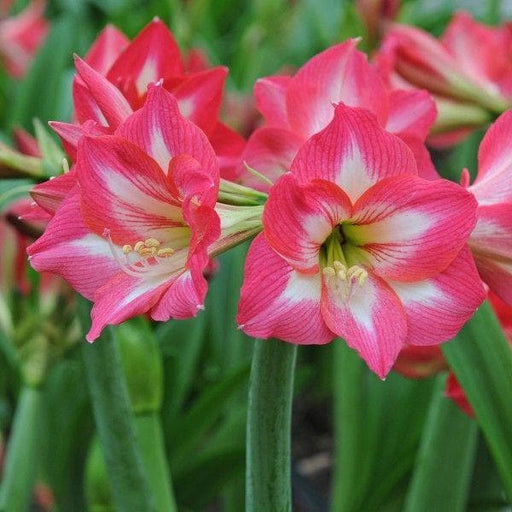
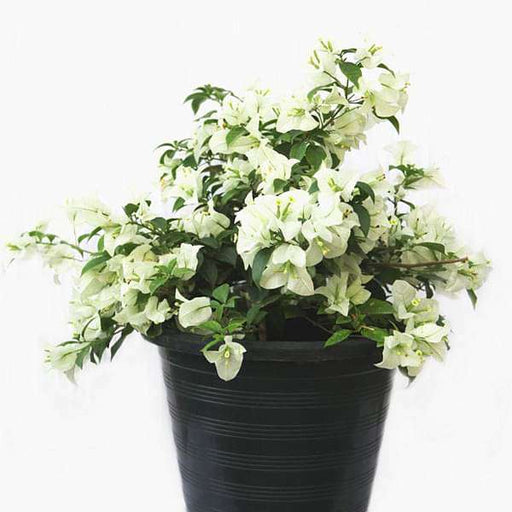
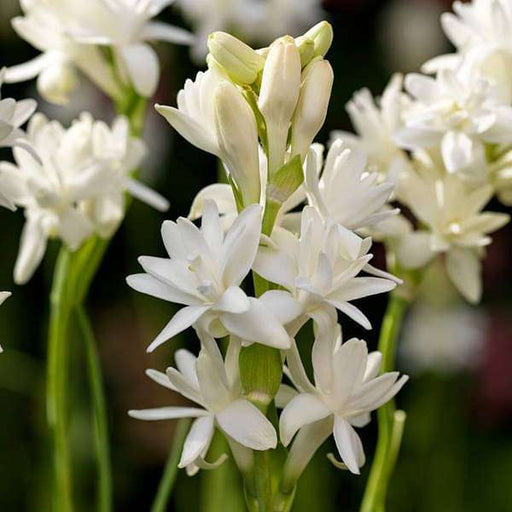
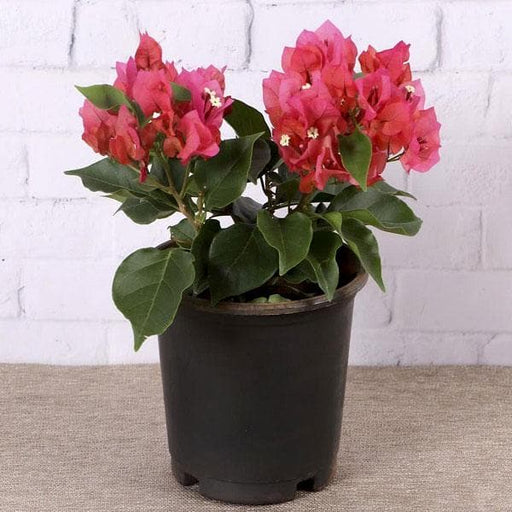
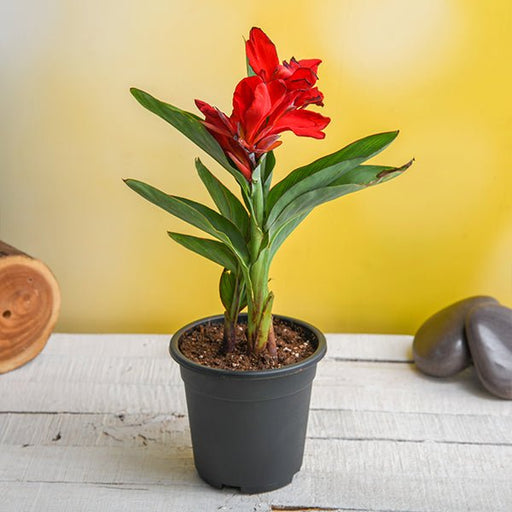
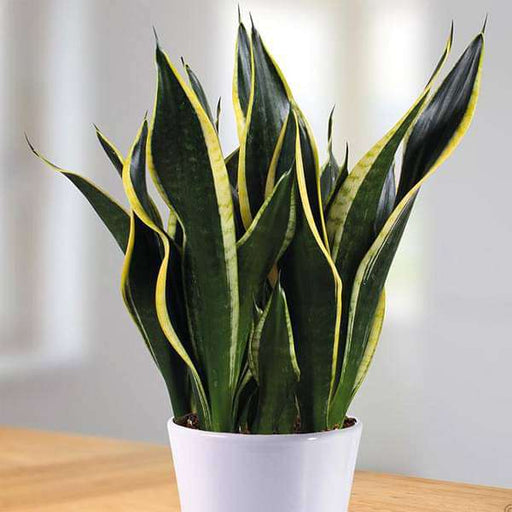
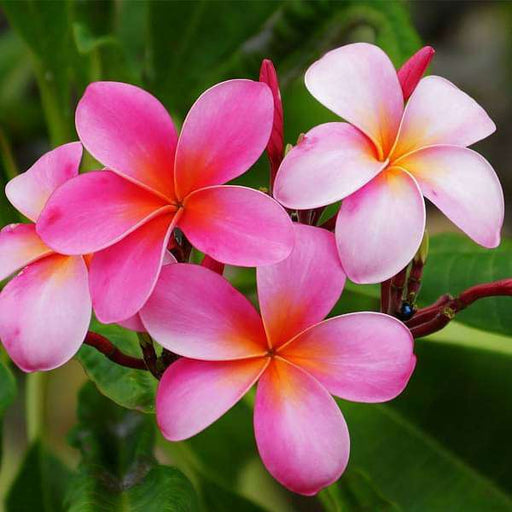
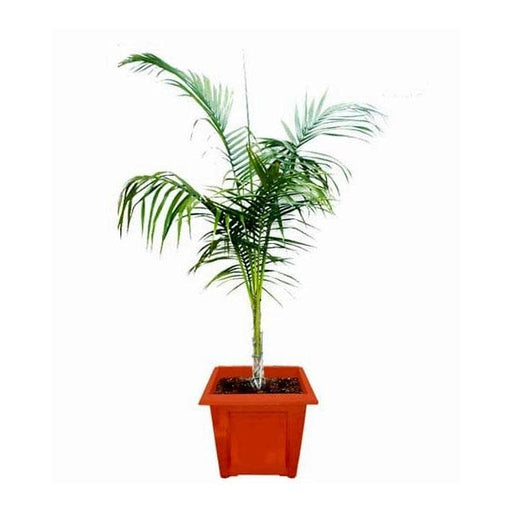
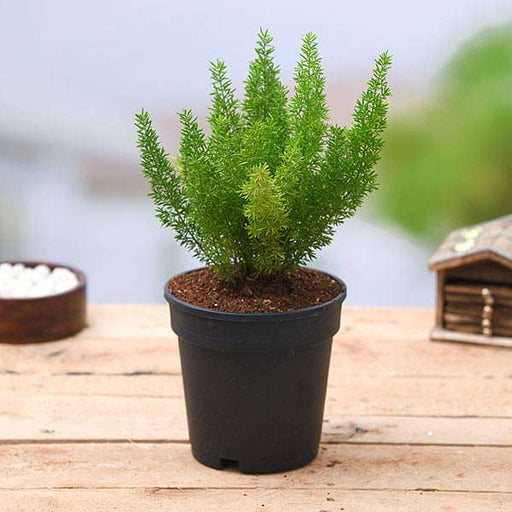
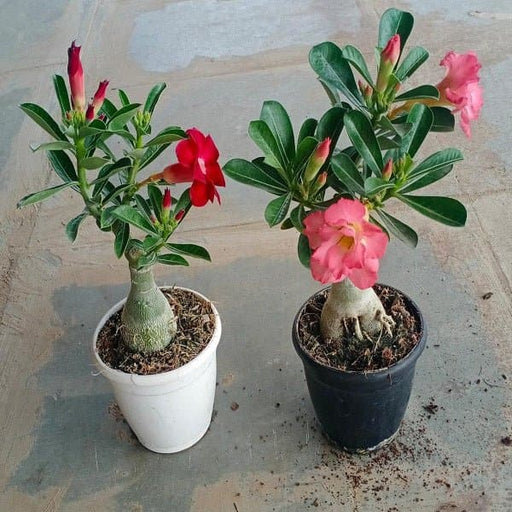
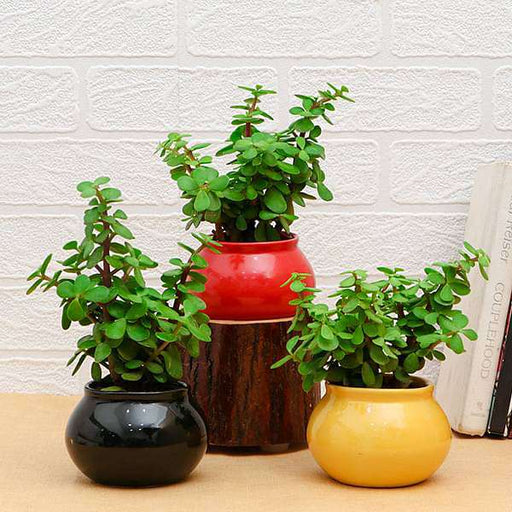
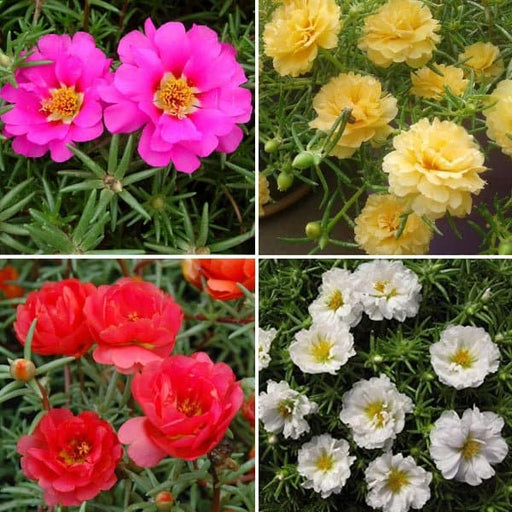
The best plants for landscaping depend on the specific needs and conditions of the area. However, some popular choices include ornamental grasses, shrubs, and flowering perennials.
What is the importance of landscaping?
Landscaping can improve the aesthetic appeal of an area, provide privacy, reduce noise pollution, improve air quality, and even increase the value of a property.
Can landscaping be done on a budget?
Yes, landscaping can be done on a budget by selecting plants that are low maintenance, buying plants in bulk, and using DIY techniques for landscaping.
How do I choose the right plants for my landscaping project?
Choosing the right plants for your landscaping project involves considering factors such as the soil type, amount of sunlight, and climate in your area. You should also consider the plant's growth habit, size, and water requirements.
How often do I need to water my landscaped plants?
The frequency of watering your landscaped plants depends on the specific plant's water requirements and the climate in your area. Generally, plants need to be watered when the soil becomes dry to the touch.
How do I maintain my landscaped plants?
Maintaining your landscaped plants involves regular watering, pruning, fertilizing, and pest control. It is important to research the specific care requirements of each plant in your landscaping project.
Can I use landscaping to create privacy?
Yes, landscaping can be used to create privacy by planting tall shrubs, trees, or hedges around the perimeter of an area.
Can landscaping be done in small spaces?
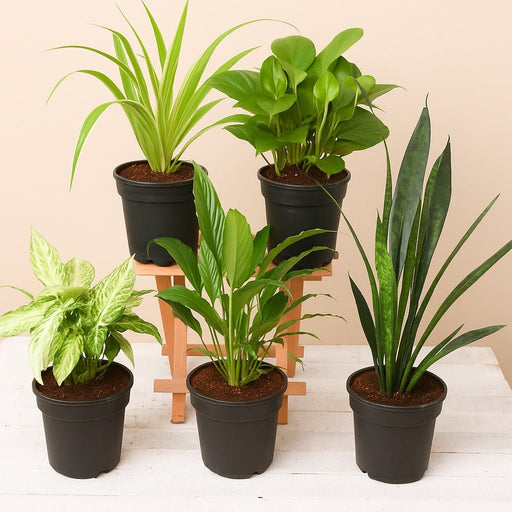
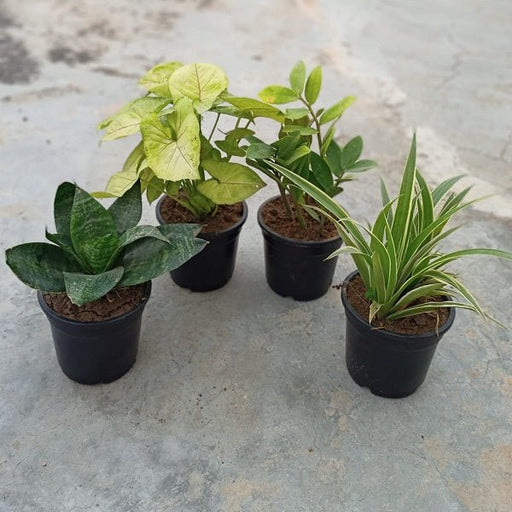
Yes, landscaping can be done in small spaces such as balconies or patios. Container gardening or vertical gardening techniques can be used to maximize the space available for plants.
How do I create a cohesive look in my landscaping?
Creating a cohesive look in your landscaping involves choosing plants that complement each other in terms of color, texture, and growth habit. It is also important to consider the overall style and theme of your landscaping project.
Can landscaping be used to attract wildlife?
Yes, landscaping can be used to attract wildlife such as birds and butterflies by planting native species that provide food and habitat.
How do I incorporate water features into my landscaping?
Incorporating water features into your landscaping involves designing a space for a pond, fountain, or waterfall, and selecting plants that thrive in wet environments.
Can landscaping be done without using chemicals?
Yes, landscaping can be done without using chemicals by selecting plants that are naturally pest-resistant, using organic fertilizers, and implementing techniques such as companion planting and crop rotation.
How do I design a sustainable landscaping project?
Designing a sustainable landscaping project involves choosing native plants that require less water and fertilizer, implementing rainwater harvesting techniques, and using recycled materials for landscaping structures.
How do I incorporate lighting into my landscaping?
Incorporating lighting into your landscaping involves selecting the right type of lighting fixtures and positioning them to highlight specific plants or areas. Lighting can also be used for safety and security purposes in outdoor spaces.
Can landscaping be used to reduce noise pollution?
Yes, landscaping can be used to reduce noise pollution by planting dense shrubs or hedges that act as a sound barrier. Trees and other plants can also absorb sound waves and reduce noise levels.
How do I choose plants that will bloom in different seasons?
Choosing plants that will bloom in different seasons involves selecting plants with staggered blooming times and considering the climate and growing conditions in your area.
What are some good plants for low maintenance landscaping?
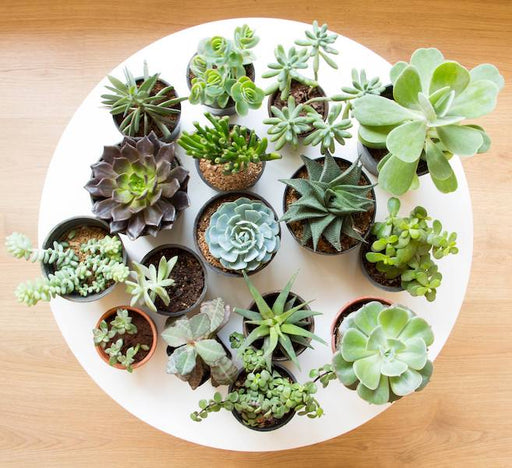
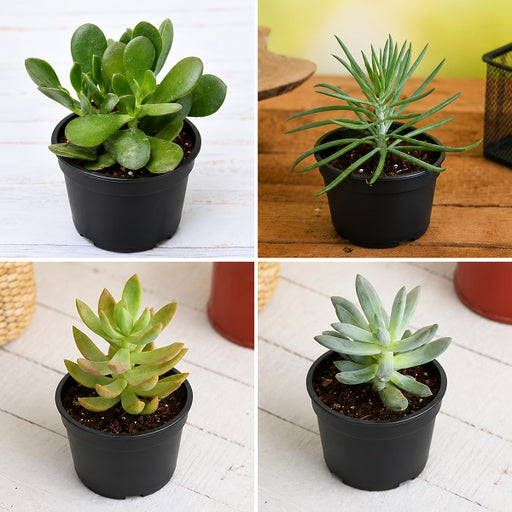
Some good options for low maintenance landscaping include succulents, ornamental grasses, and native plants. Succulents are perfect for dry areas as they require minimal watering and care. Ornamental grasses add a natural, flowing look to a landscape and require very little upkeep. Native plants are also a great choice as they are adapted to the local climate and require minimal maintenance.
Can I use artificial plants for landscaping?
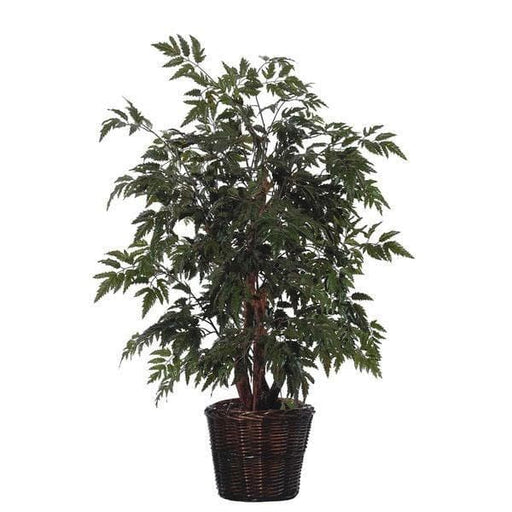
While artificial plants require little to no maintenance, they do not offer the same benefits as live plants such as air purification and aesthetic appeal. However, if you are looking for a low maintenance option for a particular area or for indoor landscaping, artificial plants can be a viable choice.
How can I incorporate edible plants into my landscaping?
Edible plants can be a great addition to a landscaping project. You can incorporate them by planting herbs in between flowers, adding fruit trees to the yard, or even creating a separate edible garden. Vegetables can also be planted in raised beds or containers, which can be incorporated into the overall landscape design.
How do I maintain my landscaped area?
Proper maintenance is crucial for keeping your landscaped area looking beautiful. This includes regular watering, fertilizing, pruning, and weeding. It is also important to monitor for pests and diseases and take appropriate action if necessary. Regularly removing dead leaves and debris can also help prevent issues from arising. Consider hiring a professional landscaper to ensure your landscape is properly maintained.