Skip to content

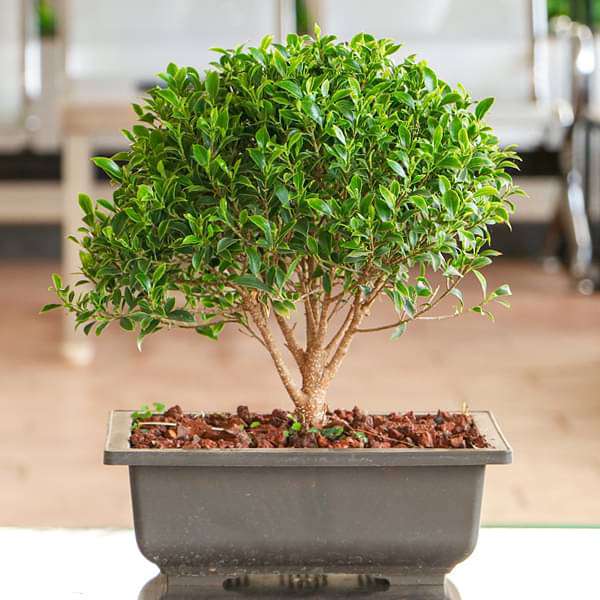
Lonicera - Plant

Sold out
Original price ₹ 249
₹ 249
₹ 249
Current price ₹ 249

Product includes

SrNoItem Name
1Lonicera - Plant

Lonicera - The Enchanting Honeysuckle Plant

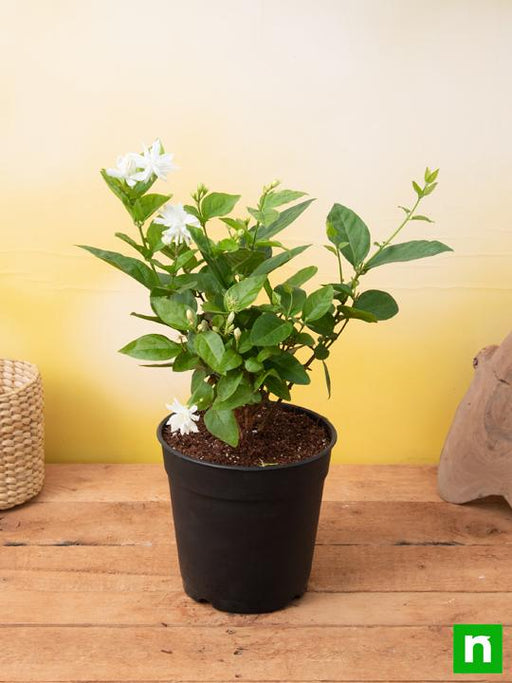
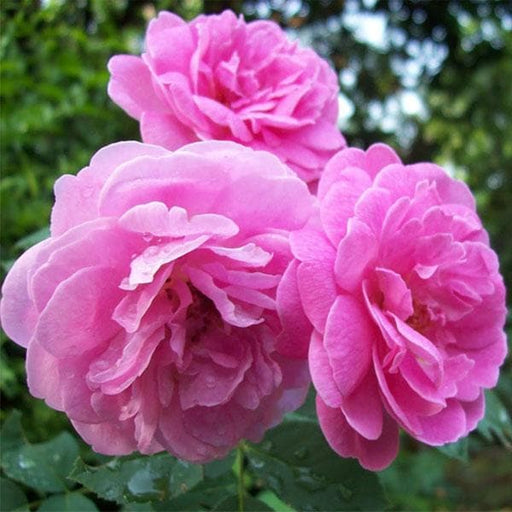
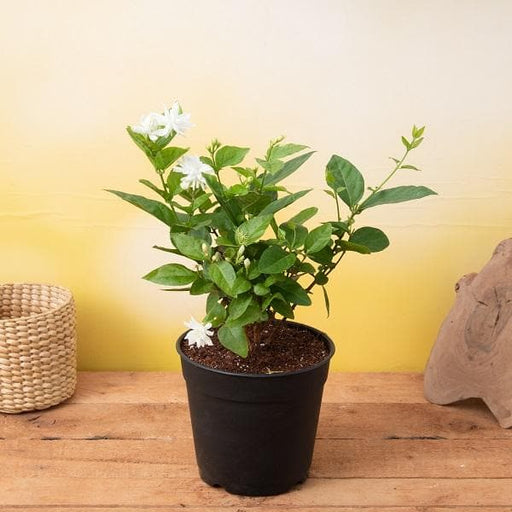
Lonicera, commonly known as honeysuckle, is a versatile and fragrant climbing plant that enchants gardens with its vibrant blooms and sweet aroma. With over 180 species, this deciduous or evergreen shrub is native to the Northern Hemisphere and thrives in various climates. Its tubular flowers attract pollinators, making it a favorite among gardeners and nature enthusiasts alike.

What sets Lonicera apart is its ability to adapt to different environments while providing ecological benefits. This hardy plant not only beautifies landscapes but also supports local wildlife, including bees, butterflies, and birds. Its fragrant flowers bloom from spring to fall, offering a continuous display of color and scent.

Special features of Lonicera include its rapid growth rate and ability to cover trellises, fences, and arbors, creating a lush, green backdrop. Additionally, many species produce edible berries, adding a unique twist to your garden's offerings.

Growing Instructions

  • Plant in well-drained soil with a pH of 6.0 to 7.0.
  • Choose a sunny location, as Lonicera thrives in full sun to partial shade.
  • Space plants 3 to 5 feet apart to allow for growth.
  • Water regularly, especially during dry spells, to establish strong roots.

Care Instructions

  • Prune annually in late winter to promote healthy growth and flowering.
  • Fertilize with a balanced fertilizer in early spring.
  • Monitor for pests like aphids and spider mites; treat as necessary.
  • Mulch around the base to retain moisture and suppress weeds.

Uses

  • Ideal for trellises, fences, and arbors, providing privacy and shade.
  • Attracts pollinators, enhancing biodiversity in your garden.
  • Edible berries can be used in jams, jellies, and desserts.
  • Can be used in traditional medicine for its anti-inflammatory properties.

Fun Facts

  • Lonicera has been used in traditional Chinese medicine for centuries.
  • Some species of honeysuckle are known for their ability to grow in poor soil conditions.
  • The sweet nectar of honeysuckle flowers is a favorite among hummingbirds.
  • Honeysuckle is often associated with love and devotion in folklore.

Environmental Impact

Lonicera plays a crucial role in supporting local ecosystems. By attracting pollinators, it helps maintain biodiversity and promotes healthy plant reproduction. Additionally, its ability to grow in various conditions makes it a valuable plant for erosion control and habitat restoration.

Lonicera Care

If you think caring for a Lonicera is like babysitting a toddler, you’re not far off! These plants thrive on attention, but thankfully, they don’t throw tantrums. Regular watering, a sprinkle of fertilizer, and a good pruning session will keep your Lonicera happy and healthy. Just remember, they love sunlight but can’t stand being scorched. Treat them like royalty, and they’ll reward you with fragrant blooms and lush foliage.

Lonicera Varieties

With over 200 species of Lonicera, it’s like a botanical buffet! From the sweetly scented honeysuckle to the hardy ground cover types, there’s a Lonicera for every garden personality. Whether you want a climber to scale your fence or a compact shrub to fill a corner, these plants have got you covered. Just be careful not to get too attached; some varieties can be a bit clingy!

Lonicera Growth Rate

If you’re looking for a fast-growing plant, Lonicera is your go-to! These beauties can shoot up like they’re in a race, making them perfect for those who want instant garden gratification. Just plant them in the right spot, and watch them stretch their leafy limbs. But don’t blink—before you know it, they’ll be climbing your trellis and stealing the show!

Lonicera Pollinators

Lonicera plants are like the social butterflies of the garden, attracting a variety of pollinators. Bees, butterflies, and hummingbirds flock to their fragrant flowers, turning your garden into a buzzing hotspot. It’s like hosting a garden party where the guest list is all about nature’s finest! So, if you want to boost your local ecosystem, planting Lonicera is a no-brainer.

Lonicera Pruning

Pruning Lonicera is like giving your plant a stylish haircut. It’s all about keeping it looking sharp and preventing it from becoming a wild mess. The best time to wield those shears is in late winter or early spring. Just remember, a little snip here and there can lead to a more robust and beautiful plant. So channel your inner stylist and get to work!

Lonicera Pests

Every garden has its villains, and Lonicera is no exception. Aphids, spider mites, and scale insects can be the bane of your plant’s existence. But fear not! With a little vigilance and some organic pest control, you can keep these pesky intruders at bay. Think of yourself as the superhero of your garden, swooping in to save the day!

Lonicera Soil Requirements

Lonicera plants are not picky eaters, but they do have preferences. They thrive in well-drained soil that’s rich in organic matter. Think of it as their version of a five-star meal! While they can tolerate a range of soil types, they’ll flourish best in slightly acidic to neutral conditions. So, give them a gourmet dining experience, and they’ll reward you with vibrant growth.

Lonicera Sunlight Needs

Sunlight is the secret sauce for Lonicera plants. They bask in full sun but can tolerate partial shade, making them versatile garden companions. Just remember, too much shade can lead to leggy growth and fewer blooms. So, find that sweet spot where they can soak up the rays, and watch them thrive like they’re on a tropical vacation!

Lonicera Fertilization

Fertilizing your Lonicera is like giving it a boost of energy before a big race. A balanced fertilizer in early spring will set the stage for a season of growth and blooms. Just don’t overdo it; too much fertilizer can lead to a plant that’s all show and no substance. Think of it as a balanced diet—your Lonicera will thank you for it!

Lonicera Companion Plants

Pairing Lonicera with the right companions can create a garden symphony. Think of them as the lead singer in a band, harmonizing beautifully with other plants. Consider mixing them with perennials or ornamental grasses for a stunning visual effect. Just make sure your companions have similar sunlight and water needs, or you might end up with a garden drama!

Lonicera Landscape Design

Incorporating Lonicera into your landscape design is like adding a splash of color to a black-and-white movie. These plants can serve as ground cover, climbers, or even focal points in your garden. With their vibrant blooms and lush foliage, they can transform any dull space into a botanical masterpiece. So, unleash your creativity and let Lonicera take center stage!

Trending Collections

Save 40% with Gardening Solutions

You may also need

FAQ

What is Lonicera - Plant?

Lonicera, commonly known as honeysuckle, is a delightful plant that brings sweetness to gardens and landscapes. With its fragrant flowers and vibrant berries, it’s like nature’s candy store. Whether you’re looking for ground cover or climbing vines, Lonicera has got you covered—literally!

How do I care for Lonicera - Plant?

Caring for Lonicera is as easy as pie—if pie were a fragrant, flowering vine! Ensure it gets plenty of sunlight, water it moderately, and prune it to keep it in check. Just remember, too much love can lead to overgrowth, so give it space to breathe and flourish!
What are the benefits of Lonicera - Plant?

Lonicera isn’t just a pretty face; it’s a multitasker! It attracts pollinators, provides shelter for birds, and can even be used in herbal remedies. Plus, its sweet scent can make your garden the talk of the neighborhood. Who knew a plant could be so popular

Is Lonicera - Plant invasive?

Ah, the age-old question of “too much of a good thing.” Some Lonicera species can be invasive, spreading like gossip at a family reunion. To keep it in check, choose non-invasive varieties and monitor their growth. A little vigilance goes a long way in maintaining garden harmony!

Can Lonicera - Plant be grown in pots?

Absolutely! Lonicera loves to show off, even in pots. Just ensure your container has good drainage and enough space for those roots to stretch. With the right care, your potted Lonicera will thrive, bringing a touch of whimsy to your patio or balcony.

When does Lonicera - Plant bloom?

Lonicera is like the party planner of the garden, blooming from late spring to early summer. Its flowers burst forth in a riot of colors, attracting bees and butterflies. So, mark your calendars—when Lonicera blooms, it’s time for a garden celebration!

What types of Lonicera - Plant are there?

Lonicera comes in a variety of flavors—over 180 species! From the sweet-scented Japanese honeysuckle to the hardy American honeysuckle, there’s a Lonicera for every garden personality. Choose wisely, and you’ll have a botanical buffet that keeps your garden buzzing!

How fast does Lonicera - Plant grow?

Lonicera is the Usain Bolt of the plant world, growing rapidly under the right conditions. Some varieties can reach up to 10 feet in a single season! Just be prepared to keep up with its growth spurt—pruning may become your new workout routine!

Is Lonicera - Plant toxic to pets?

While Lonicera is generally safe, some species can be a bit of a drama queen. The berries of certain varieties may cause mild stomach upset in pets. Always check which type you have and keep an eye on your furry friends—better safe than sorry!

How do I propagate Lonicera - Plant?

Propagating Lonicera is like playing plant matchmaker! You can do it through cuttings or layering. Just take a healthy stem, encourage it to root, and voilà! You’ll have a new Lonicera to love. It’s a fun and rewarding way to expand your garden family.

Can Lonicera - Plant attract bees?

Yes, indeed! Lonicera is like a five-star restaurant for bees and butterflies. Its fragrant flowers are a magnet for pollinators, making your garden a buzzing hotspot. Plant Lonicera, and you’ll be doing your part to support our hardworking friends in nature!

What is the best soil for Lonicera - Plant?

Lonicera prefers well-draining soil that’s rich in organic matter—think of it as the gourmet meal it craves. A slightly acidic to neutral pH is ideal. With the right soil, your Lonicera will thrive, and you’ll be rewarded with a lush, vibrant display!