










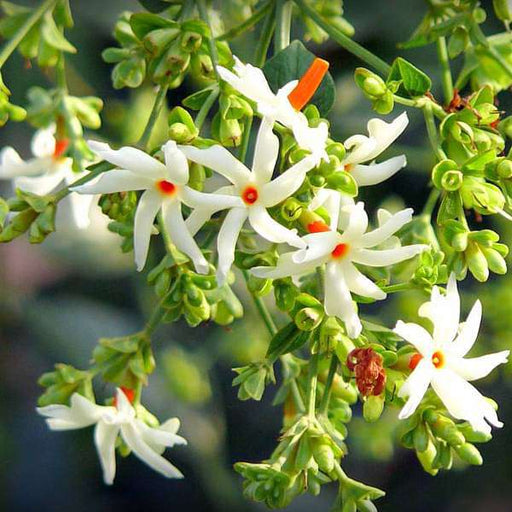
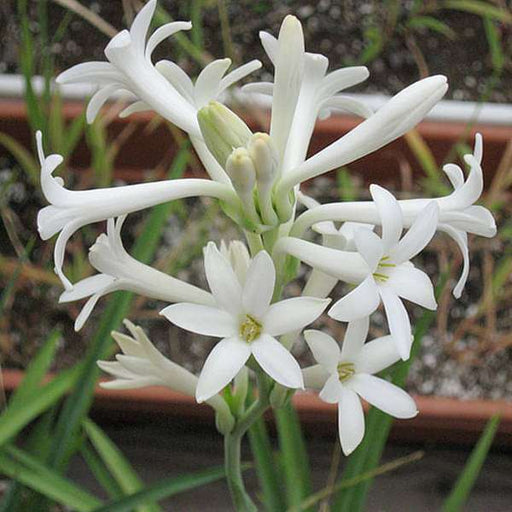










The Rajanigandha flowers were beautiful, fresh, and had a lovely fragrance. Their elegant white blooms added a peaceful and attractive touch to the garden. I especially enjoyed their sweet scent in the evening. Overall, Rajanigandha is a wonderful flowering plant for anyone who loves fragrant and graceful flowers.
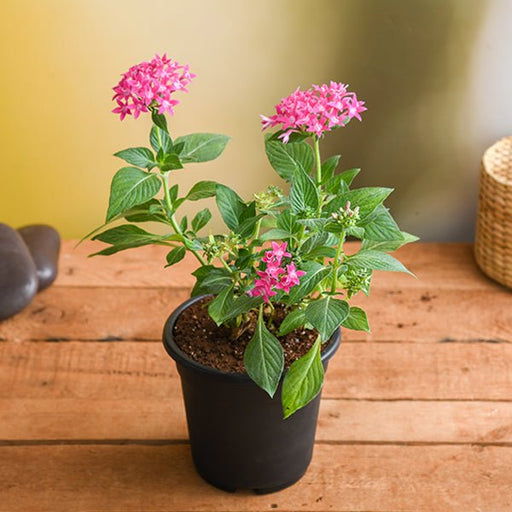
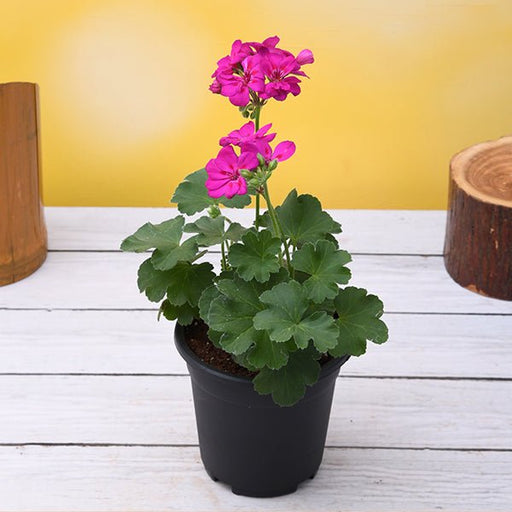
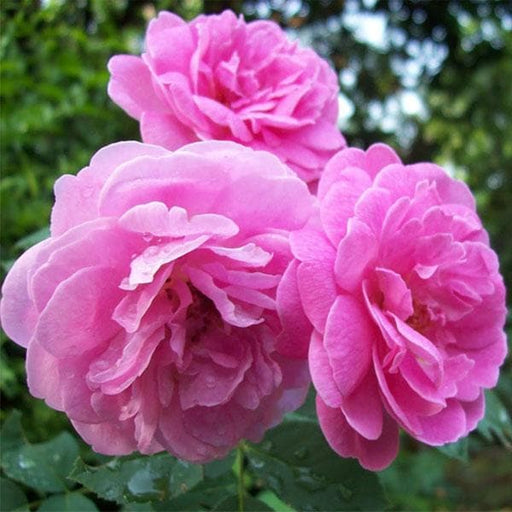
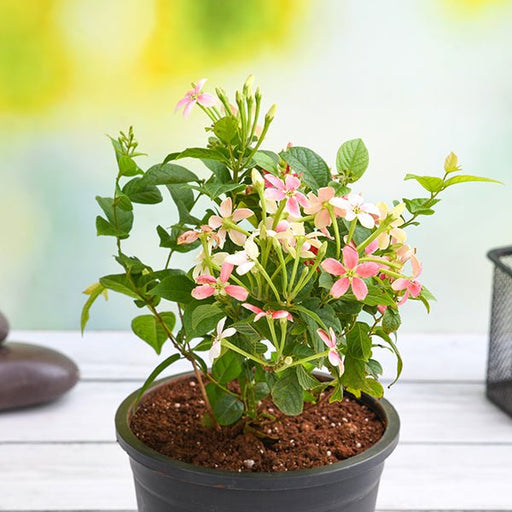
The pink flowers looked fresh, vibrant, and very attractive. Their soft color added a cheerful and elegant touch to the garden, making the space feel more lively. I liked the natural beauty of the blooms and how well they complemented the surrounding greenery. Overall, a lovely choice for adding color and charm to any garden.
The lily flowers looked beautiful and fresh, with elegant blooms that added a lovely touch to the garden. I liked their graceful appearance and bright colors, which made the surroundings feel more cheerful. They are a great choice for anyone who enjoys attractive flowering plants and wants to add a decorative touch to their garden.
The China rose plant is a lovely addition to any garden, with attractive blooms and fresh green foliage. I liked its vibrant flowers and the way it adds color to the surroundings. With regular watering, sunlight, and occasional pruning, the plant can stay healthy and produce beautiful blooms. Overall, it is a great choice for anyone who enjoys flowering plants.
I was happy with the variety of plants available at this nursery. The plants looked healthy and well-maintained, and there were plenty of options for both indoor and outdoor gardening. The overall experience was convenient, especially when looking for different plants in one place. A good option for anyone interested in adding more greenery to their home or garden.
Looking for a reliable plant nursery near me with healthy plants and a great variety. A perfect place for every plant lover.
Areca palm is a beautiful choice for adding a fresh, green, and elegant look to any home or garden.
Banyan tree is a symbol of strength, nature, and timeless beauty. A truly majestic tree that adds a unique charm to the surroundings.
Beautiful Adenium plant with stunning flowers. A perfect choice for adding color and beauty to any garden.
Best nursery near me for healthy and beautiful plants. Great collection and good quality!
Basil seeds — tiny seeds with a refreshing touch of nature and wellness.
Champa plant — nature’s little sunshine, blooming with beauty and fragrance.
A good nursery is the perfect place to bring home healthy, beautiful plants. 🌱
A good nursery is the perfect place to bring home healthy, beautiful plants. 🌱
Money plants are simple, beautiful, and perfect for adding a touch of green indoors. 🌿
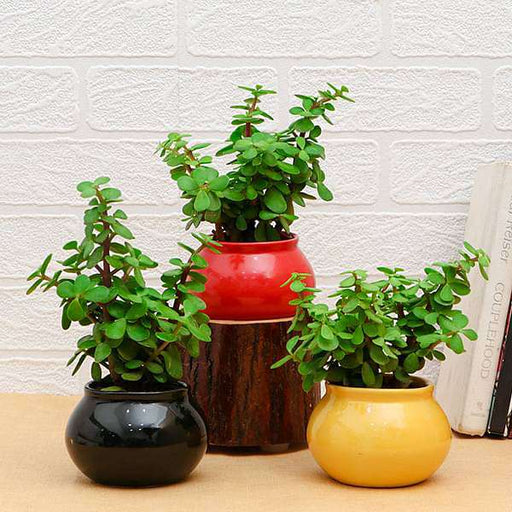
Jade plants are such a beautiful and low-maintenance choice for home gardens.