What is a Sausage Tree?
The Sausage Tree, or Kigelia africana, is a quirky tree known for its large, sausage-shaped fruits. Native to Africa, it’s not just a pretty face; it’s also a wildlife magnet! Birds and bats love its nectar, while the fruits can be used in traditional medicine. Just don’t expect to find any hot dogs hanging from its branches!
How do you care for a Cucumber Tree?
Cucumber Trees, or Sicyos angulatus, thrive in well-drained soil and love a sunny spot. Water them regularly, but don’t drown them—these plants prefer a light drink over a swim! Pruning helps maintain their shape, and a little fertilizer goes a long way. Just remember, they’re not actual cucumbers, so don’t expect a salad from them!
Are Sausage Trees edible?
While the fruits of the Sausage Tree are technically edible, they’re not exactly a culinary delight. They’re often used in traditional medicine rather than as a snack. If you’re feeling adventurous, you can try them, but don’t blame us if your taste buds stage a protest! Better to admire their beauty than to munch on them!
What animals are attracted to Sausage Trees?
Sausage Trees are like the party hosts of the plant world! They attract a variety of wildlife, including bats, birds, and monkeys. The sweet nectar and large fruits are irresistible to these critters. So, if you plant one, expect a lively gathering of nature’s finest guests—just don’t forget to provide snacks for your furry friends!
Can you grow a Cucumber Tree indoors?
Growing a Cucumber Tree indoors is a bit of a challenge, but not impossible! They need plenty of sunlight and space to stretch their vines. If you can provide a sunny window and a sturdy trellis, you might just have a green thumb success story. Just remember, they’re not fans of cramped quarters—no one likes a crowded house!
What is the lifespan of a Sausage Tree?
Sausage Trees can live for several decades, with some reaching up to 100 years! That’s a long time to hang around, so they’re like the wise old sages of the plant kingdom. With proper care, they’ll be your leafy companions for years to come, providing shade and quirky fruits for generations to enjoy!
How fast does a Cucumber Tree grow?
Cucumber Trees are known for their rapid growth, often reaching heights of 10 to 20 feet in just a few years! They’re like the overachievers of the plant world, eager to stretch their limbs. Just make sure they have enough space to grow; otherwise, they might start competing for your living room!
Are Sausage Trees drought-tolerant?
Yes, Sausage Trees are quite drought-tolerant once established! They’ve adapted to survive in dry conditions, making them the tough cookies of the plant world. However, they appreciate a good drink during dry spells, so don’t completely ignore them. A little water goes a long way in keeping them happy and thriving!
What pests affect Cucumber Trees?
Cucumber Trees can attract pests like aphids and spider mites, but don’t panic! A little neem oil or insecticidal soap can help keep these uninvited guests at bay. Regularly checking your plant for signs of trouble will ensure it stays healthy and happy. After all, nobody likes a pest party crashing their plant’s good time!
Can you propagate a Sausage Tree?
Absolutely! Propagating a Sausage Tree is possible through seeds or cuttings. Just remember, patience is key—these trees take their sweet time to grow. So, if you’re looking for instant gratification, you might want to consider a different hobby. But with a little love and care, you’ll soon have your very own Sausage Tree!
What climate is best for a Cucumber Tree?
Cucumber Trees thrive in warm, tropical climates, so think sunny beaches rather than snowy mountains! They love temperatures between 70°F and 90°F. If you live in a cooler area, consider growing them in a greenhouse or as an annual. Just remember, they’re not fans of frost—so keep them cozy and warm!
Is the Sausage Tree toxic?
Good news! The Sausage Tree is not considered toxic to humans or animals. However, the fruits can cause stomach upset if consumed in large quantities, so moderation is key. It’s best to admire this tree from a distance rather than turning it into a snack bar. After all, it’s more about the looks than the taste!


 White Marble Pebbles (1 kg)
₹199
White Marble Pebbles (1 kg)
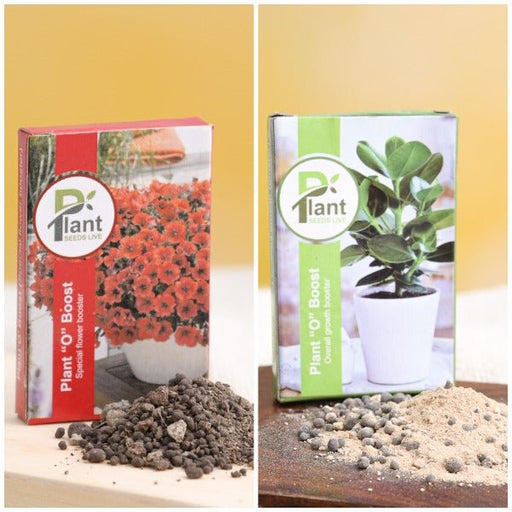
₹199 Plant O Boost — Growth Booster
₹239
Plant O Boost — Growth Booster
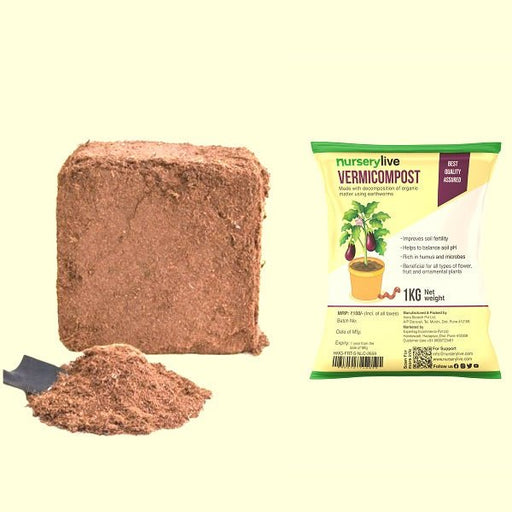
₹239 Garden Essential Plant Care Kit
₹599
Garden Essential Plant Care Kit
₹599