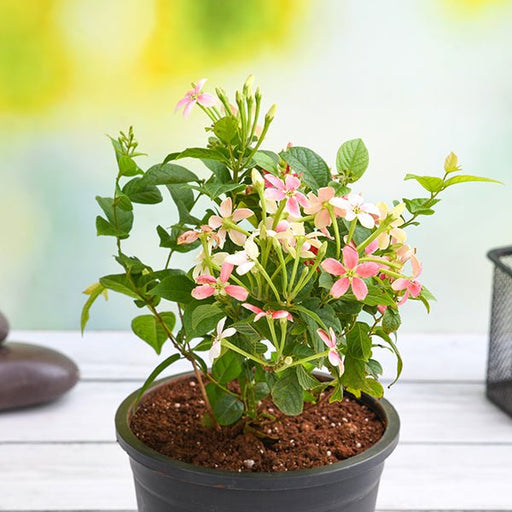
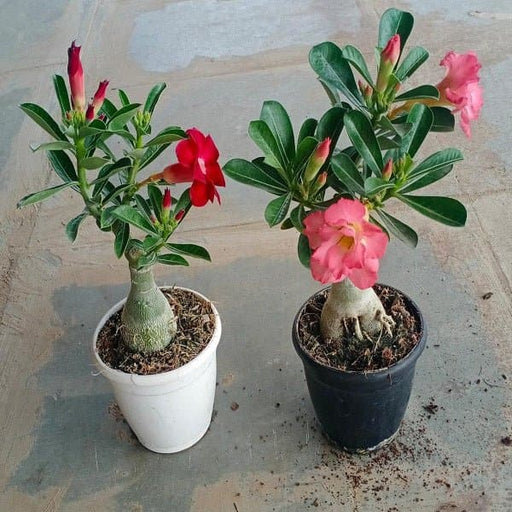
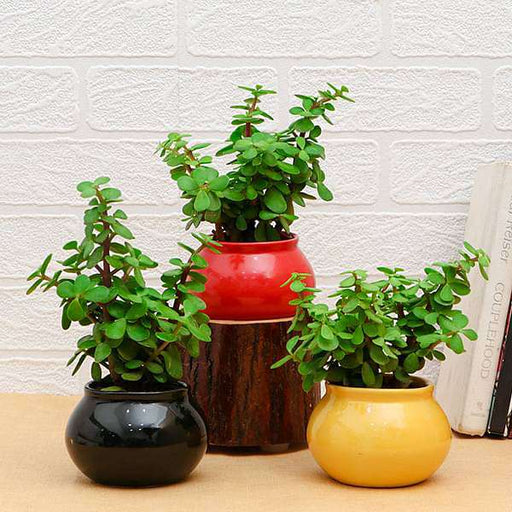
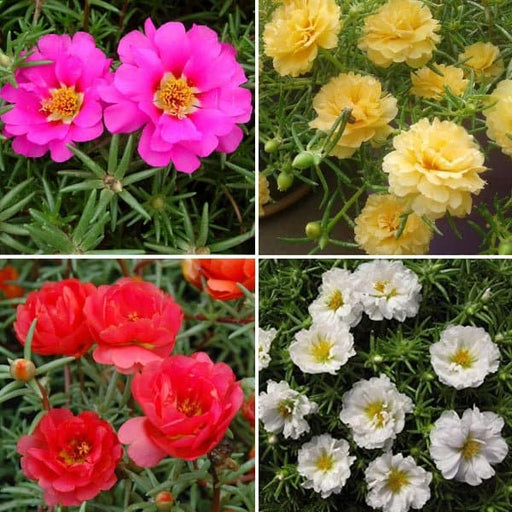
What is Ruttya speciosa scholesei?
Ruttya speciosa scholesei is a tropical plant that’s as charming as a well-dressed peacock. Known for its striking foliage and vibrant flowers, it’s a showstopper in any garden. This beauty thrives in warm climates, making it a favorite among plant enthusiasts who want to add a splash of color to their green spaces.
How do I care for Ruttya speciosa scholesei?
Caring for Ruttya speciosa scholesei is like nurturing a diva; it craves attention! Provide well-draining soil, bright indirect light, and regular watering. Just don’t drown it—this plant prefers to sip rather than gulp. Fertilize during the growing season, and watch it flourish like it’s on a tropical vacation!
What are the ideal growing conditions for Ruttya speciosa scholesei?
Ruttya speciosa scholesei loves to bask in warm, humid environments. Aim for temperatures between 65°F to 85°F, and keep humidity levels high—think rainforest vibes! It enjoys bright, indirect sunlight, so place it near a window but avoid harsh direct rays. Treat it like royalty, and it will reward you with stunning growth.
Can Ruttya speciosa scholesei be grown indoors?
Absolutely! Ruttya speciosa scholesei is the perfect indoor companion, bringing a touch of the tropics to your living room. Just ensure it gets enough light and humidity. A pebble tray or humidifier can work wonders. With the right care, it’ll thrive indoors, making your space feel like a botanical paradise.
Is Ruttya speciosa scholesei toxic to pets?
Fear not, pet parents! Ruttya speciosa scholesei is generally considered non-toxic to cats and dogs. However, it’s always wise to keep an eye on your furry friends. If they decide to munch on the leaves, it might lead to a tummy ache. Better safe than sorry—let them admire from a distance!
How often should I water Ruttya speciosa scholesei?
Watering Ruttya speciosa scholesei is like a dance; find the right rhythm! Water when the top inch of soil feels dry, usually every 1-2 weeks. In the growing season, it may need more frequent sips. Just remember, soggy roots are a no-go—this plant prefers to stay on the dry side of life!
What pests should I watch for on Ruttya speciosa scholesei?
Keep an eye out for pesky intruders like spider mites and aphids. These little critters can turn your Ruttya speciosa scholesei into their personal buffet. Regularly inspect the leaves and treat any infestations promptly with insecticidal soap or neem oil. A vigilant gardener is a happy gardener—keep those pests at bay!
Can I propagate Ruttya speciosa scholesei?
Yes, you can! Propagating Ruttya speciosa scholesei is like sharing the love. Take stem cuttings during the growing season, and place them in water or moist soil. With a little patience and the right conditions, you’ll soon have new plants to admire. It’s a fun way to expand your tropical family!
What is the growth rate of Ruttya speciosa scholesei?
Ruttya speciosa scholesei is a fast grower, especially when given the right conditions. With ample light, warmth, and moisture, you’ll see it flourish in no time. It’s like watching a time-lapse video of nature—one moment it’s a sprout, and the next, it’s a lush beauty demanding attention in your garden!
Does Ruttya speciosa scholesei require fertilization?
Yes, indeed! Ruttya speciosa scholesei loves a good meal. Fertilize every 4-6 weeks during the growing season with a balanced liquid fertilizer. This will keep it happy and healthy, promoting vibrant growth and stunning blooms. Just don’t overdo it—too much fertilizer can lead to a plant that’s more drama than diva!
What are the common diseases affecting Ruttya speciosa scholesei?
Ruttya speciosa scholesei can face a few foes, like root rot and leaf spot. Overwatering is the main culprit for root rot, while leaf spot often results from poor air circulation. Keep your plant dry and well-ventilated, and it’ll stay healthy and happy. A little prevention goes a long way in plant care!
Can Ruttya speciosa scholesei survive winter?
Ruttya speciosa scholesei is not a fan of the cold! It thrives in warm climates and can suffer in temperatures below 50°F. If you live in a cooler area, bring it indoors during winter. Treat it like a tropical vacation—keep it warm, and it’ll be ready to dazzle you come spring!


 White Marble Pebbles (1 kg)
₹199
White Marble Pebbles (1 kg)
₹199 Plant O Boost — Growth Booster
₹239
Plant O Boost — Growth Booster
₹239 Garden Essential Plant Care Kit
₹599
Garden Essential Plant Care Kit
₹599