What are the benefits of ceramic planters?
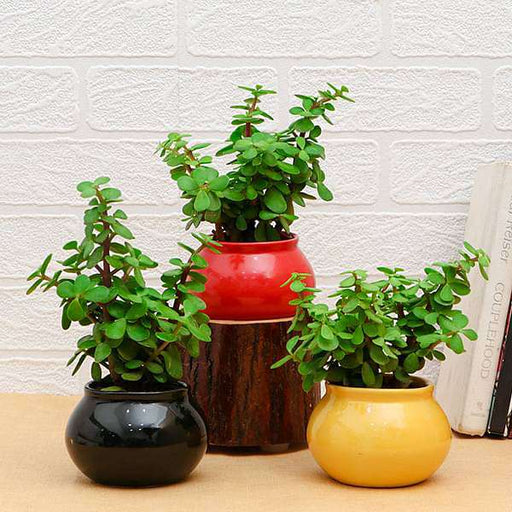
Ceramic planters are a popular choice for both indoor and outdoor plants due to their durability and aesthetic appeal. They come in a range of colors and designs, making them a versatile option for any home decor. Ceramic is also a non-porous material, which means it won't absorb moisture from the soil, keeping your plants healthy and happy.
Are wooden planters a good option for outdoor plants?
Wooden planters are a classic choice for gardening enthusiasts and can add a rustic touch to any outdoor space. They are a sustainable option as they are made from natural materials and can last for years with proper maintenance. However, it's important to note that wood is susceptible to rotting and may require periodic treatment to maintain its durability.
What are the advantages of concrete planters?
Concrete planters are a sturdy and long-lasting option for outdoor plants. They come in a range of shapes and sizes and can be painted or decorated to match your personal style. Additionally, they are heavy and sturdy, which makes them ideal for plants that may need extra support.
Are metal planters suitable for indoor plants?
Yes, metal planters are a sleek and modern option for both indoor and outdoor plants. They come in a variety of materials such as aluminum, copper, and stainless steel, and can add a touch of elegance to any space. However, it's important to ensure that the metal doesn't rust and that the planter is properly coated to prevent any damage to your plants.
Why are terracotta planters a popular choice?
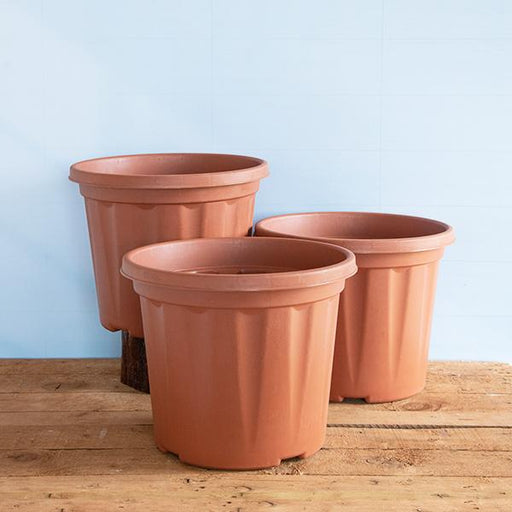
Terracotta planters are a classic and timeless option for plants. They are made from natural clay and come in a range of sizes and shapes, adding a touch of warmth to any decor. Additionally, terracotta is porous, which allows air and moisture to circulate around the plant's roots, promoting healthy growth.
What are the advantages of resin planters?
Resin planters are a lightweight and durable option for outdoor plants. They are weather-resistant and come in a variety of styles, making them a versatile choice for any home. Additionally, resin is a synthetic material, which means it won't rot or warp like wood and is easy to clean and maintain.
Are fiberglass planters a good option for indoor plants?
Yes, fiberglass planters are a lightweight and durable option for both indoor and outdoor plants. They are available in a variety of shapes and sizes, making them a versatile option for any decor. Additionally, they are resistant to moisture and rot, making them a long-lasting choice for your plants.
What are the advantages of wicker planters?
Wicker planters are a popular choice for outdoor plants due to their natural look and durability. They come in a range of styles and can be used to add a touch of charm to any space. Additionally, wicker is a natural material, which means it's sustainable and eco-friendly.
Are glass planters suitable for all types of plants?
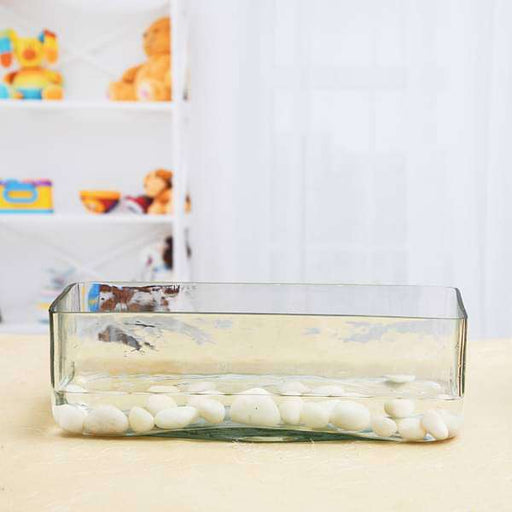
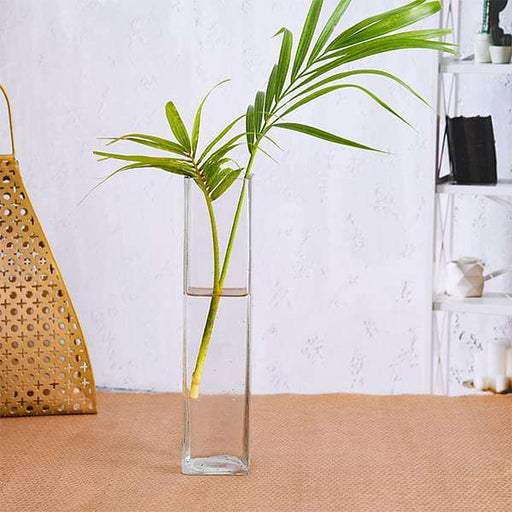
Glass planters are a unique and elegant option for indoor plants. They come in a variety of shapes and sizes and can be used to display small plants or terrariums. However, it's important to note that glass is a non-porous material, which means it won't absorb moisture from the soil like terracotta or clay planters. This means you'll need to be careful not to overwater your plants, as excess water can accumulate in the bottom of the planter.
What are the benefits of plastic planters?
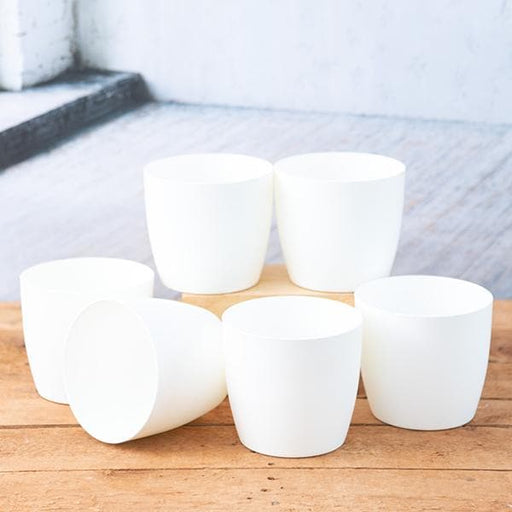
Plastic planters are a cost-effective and lightweight option for both indoor and outdoor plants. They come in a range of colors and designs, making them a versatile choice for any decor. Additionally, plastic is a non-porous material, which means it won't absorb moisture from the soil and is easy to clean and maintain.
What are the advantages of stone planters?
Stone planters are a durable and natural option for outdoor plants. They come in a variety of shapes and sizes, making them a versatile option for any garden. Additionally, stone is a natural material, which means it's sustainable and eco-friendly.
What are the benefits of metal planters?
Metal planters are a sleek and modern option for both indoor and outdoor plants. They come in a variety of materials such as aluminum, copper, and stainless steel, and can add a touch of elegance to any space. Additionally, metal is a durable material that can withstand harsh weather conditions.
Are clay planters suitable for all types of plants?
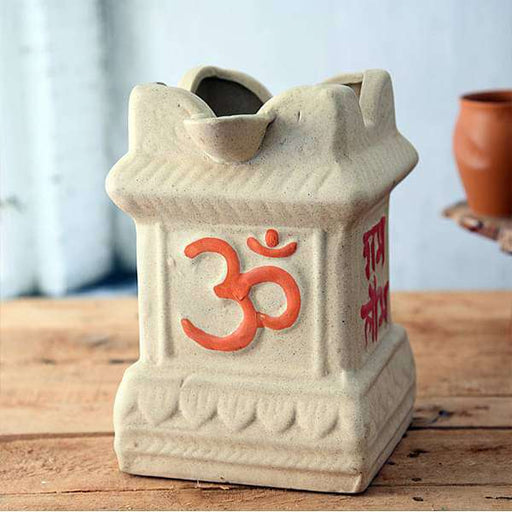
Clay planters are a popular choice for indoor and outdoor plants due to their natural look and feel. They come in a variety of shapes and sizes and can be used to add a touch of warmth to any decor. However, it's important to note that clay is a porous material, which means it can absorb moisture from the soil. This can be beneficial for plants that require well-draining soil, but may not be ideal for plants that require a more moisture-retentive environment.
What are the advantages of bamboo planters?
Bamboo planters are a sustainable and eco-friendly option for indoor and outdoor plants. They are made from natural bamboo fibers and can add a touch of warmth and texture to any decor. Additionally, bamboo is a strong and durable material that can withstand harsh weather conditions.
What are the benefits of stone look planters?
Stone look planters are a popular option for those who want the natural look of stone without the weight and expense. They are made from materials like fiberglass or resin and are designed to mimic the look and texture of real stone. Additionally, they are lightweight and easy to move, making them a practical choice for outdoor plants.
Are hanging planters suitable for all types of plants?
Hanging planters are a great way to add greenery to small spaces or to create a unique look in your home. They come in a variety of materials such as macrame, ceramic, or metal and can be hung from the ceiling or walls. However, it's important to choose a hanging planter that's appropriate for your plant's needs. For example, plants that prefer well-draining soil may not be suitable for hanging planters that don't have drainage holes.
What are the benefits of self-watering planters?
Self-watering planters are a convenient option for those who want to keep their plants healthy without the hassle of frequent watering. They have a reservoir that holds water and distributes it to the plant's roots as needed, ensuring they stay hydrated and healthy. Additionally, they can save water by reducing runoff and evaporation.
Can wooden planters be used outdoors?
Yes, wooden planters can be used outdoors, but it's important to choose a type of wood that's durable and resistant to weathering. Cedar, redwood, and teak are popular choices for outdoor wooden planters because they are naturally resistant to rot and insect damage. Additionally, wooden planters can add a natural and rustic feel to any outdoor space.
What are the benefits of terracotta planters?
Terracotta planters are a popular choice for indoor and outdoor plants because they are affordable, durable, and have a natural look and feel. They are made from clay that's fired at high temperatures, which makes them strong and resistant to weathering. Additionally, terracotta is a porous material that allows air and water to flow through the soil, which can be beneficial for plants that require well-draining soil.
Can recycled planters be as durable as traditional planters?
Yes, recycled planters can be just as durable as traditional planters if they are made from high-quality materials and designed with durability in mind. Recycled materials such as plastic, metal, and glass can be used to create planters that are not only eco-friendly but also long-lasting. Additionally, using recycled materials can reduce waste and promote sustainability.