Tacca aspera
(MRP Inclusive of all taxes)
- Shipping ₹79 for entire order
- Dispatch in 7 days
- Country of origin: India
(MRP Inclusive of all taxes)
Save 29%
Air Purifier Money Plant with Pot The Air Purifier Money Plant, also known as Pothos or Epipremnum aureum, is a stunning indoor plant that...
View full details
Save up to 15%
Peace Lily, Spathiphyllum - Plant The Peace Lily, scientifically known as Spathiphyllum, is a stunning houseplant celebrated for its elegant white...
View full details
Save 25%
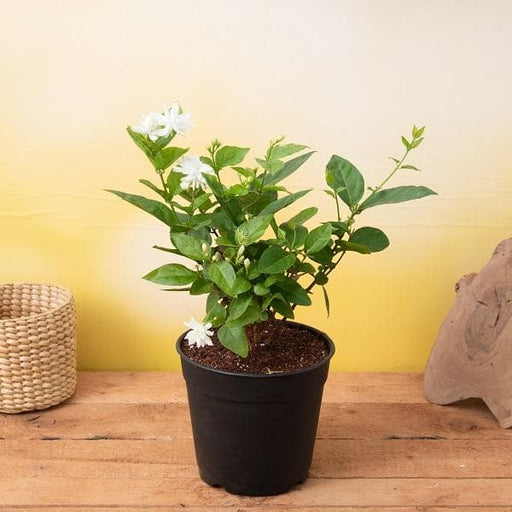
Jasminum sambac, Mogra, Arabian Jasmine - Plant Jasminum sambac, commonly known as Mogra or Arabian Jasmine, is a fragrant flowering plant...
View full details
Save 18%
Combo Constituents Includes the Parijat Tree (Night-Flowering Jasmine), a culturally significant plant with fragrant flowers. Description The Pari...
View full details
Save 25%
Miniature Rose, Button Rose (Any Color) - Plant The Miniature Rose, also known as the Button Rose, is a charming and compact flowering plant that ...
View full details
Save 25%
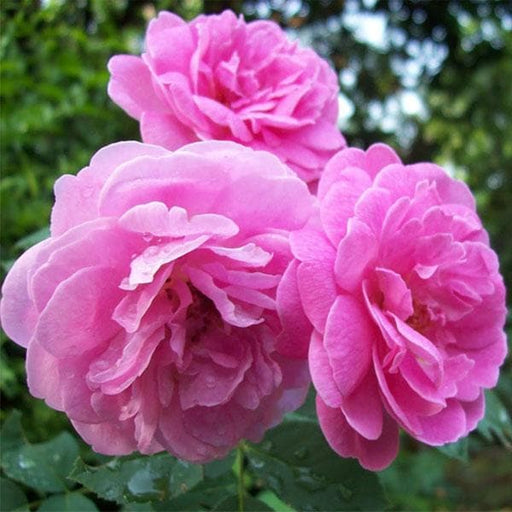
Damascus Rose, Scented Rose (Any Color) - Plant The Damascus Rose, also known as Rosa damascena, is a timeless symbol of beauty and romanc...
View full details
Save 17%
Beautiful Fragrant Mogra, Arabian Jasmine Plant with Pot The Beautiful Fragrant Mogra, also known as Arabian Jasmine (Jasminum sambac), is...
View full details
Save 15%
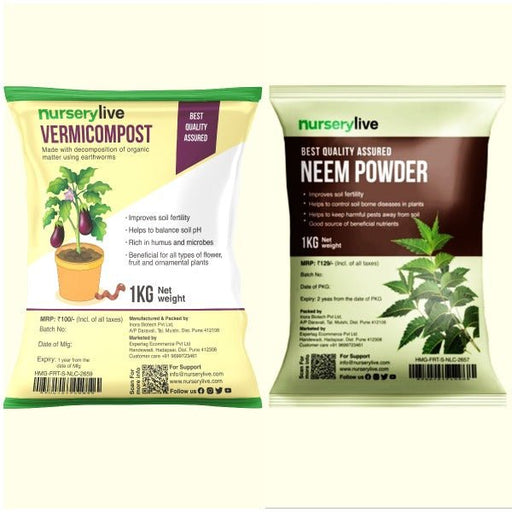
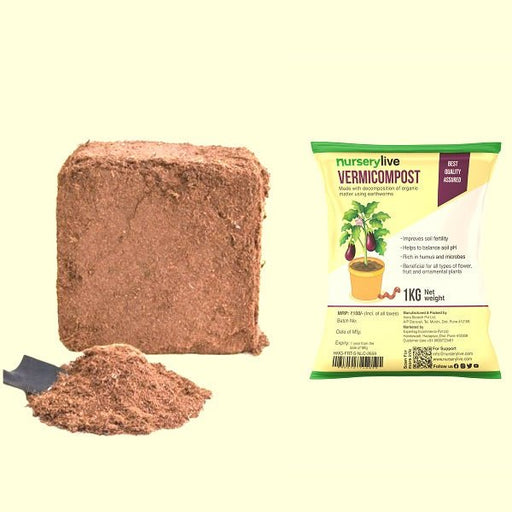
Pack of Vermicompost and Neem Cake for House Plants Transform your indoor garden with our premium Pack of Vermicompost and Neem Cake, spec...
View full details
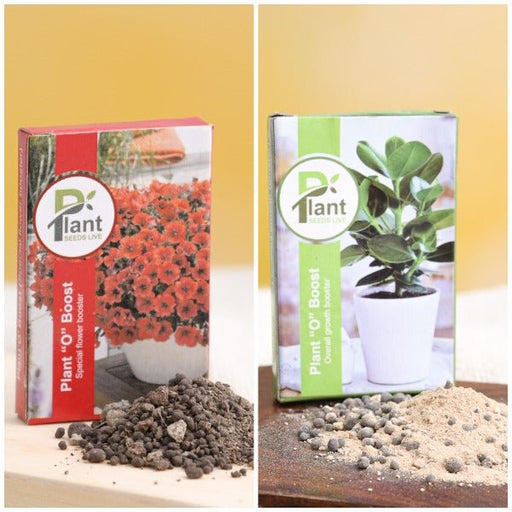
Pack of Plant Growth and Flower Boosters Unlock the full potential of your garden with our Pack of Plant Growth and Flower Boosters! This ...
View full details
Save 38%
Combo of Jeevamrut and Neem Raksha for Easy Growth and Protection of Houseplants Transform your indoor garden with our exclusive combo of ...
View full details
Save 22%
Plant Nutrients Kit (Pack of 16) for a Healthy Garden Transform your garden into a lush paradise with our Plant Nutrients Kit, featuring 1...
View full details
Save 16%
Combo of Top Plant Fertilizers Elevate your gardening game with our exclusive Combo of Top Plant Fertilizers, featuring two bags of premiu...
View full details
Save 24%
Pack of 4 Additives to Make Soil Healthy and Nutrient Rich Transform your garden into a thriving ecosystem with our Pack of 4 Additives de...
View full details
Save 30%
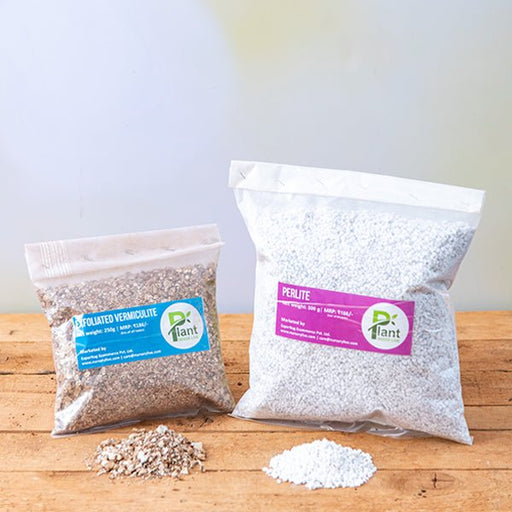
Transform your gardening experience with our premium Combo of Perlite and Vermiculite. This unique blend is designed to enhance soil aeration and ...
View full details
Save 27%
Combo of 2 Vermicompost and Cocopeat - Enrich Your Soil Naturally! Transform your garden into a thriving ecosystem with our Combo of 2 Ver...
View full details
Save 35%
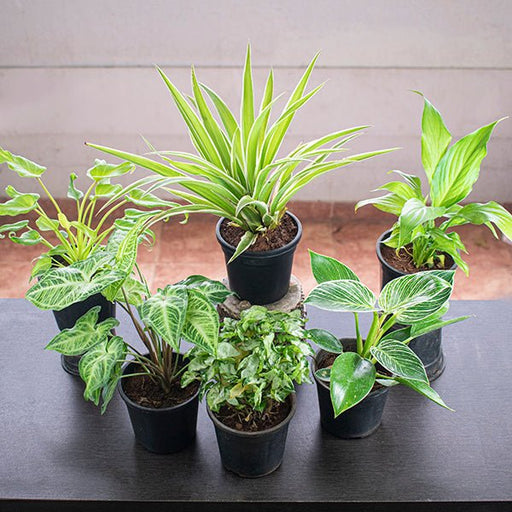
Best 6 Plants for Perfect Indoor Garden Transform your living space into a lush oasis with our curated collection of the Best 6 Plants for a...
View full details
Save up to 50%
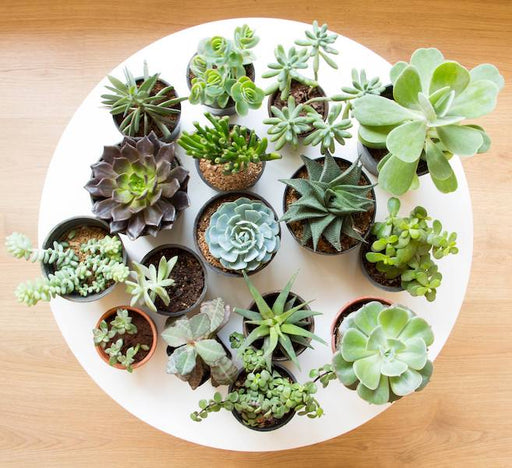
Mini Succulent Garden Pack Transform your space with our Mini Succulent Garden Pack, featuring a delightful collection of 4 any variety beautiful s...
View full details
Save 30%
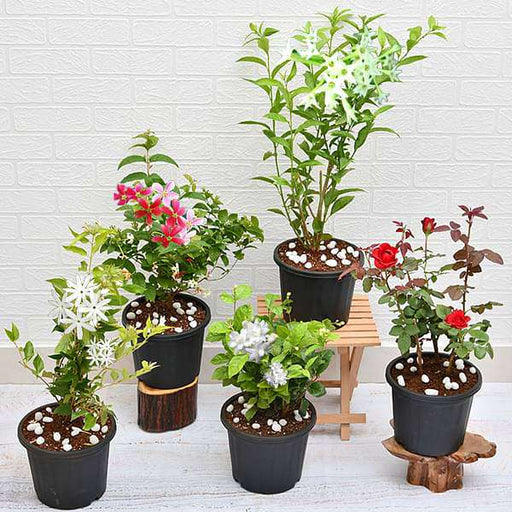
5 Best Fragrant Plants Transform your garden or indoor space into a fragrant paradise with our curated selection of the 5 Best Fragrant Plants. Th...
View full details
Save 24%
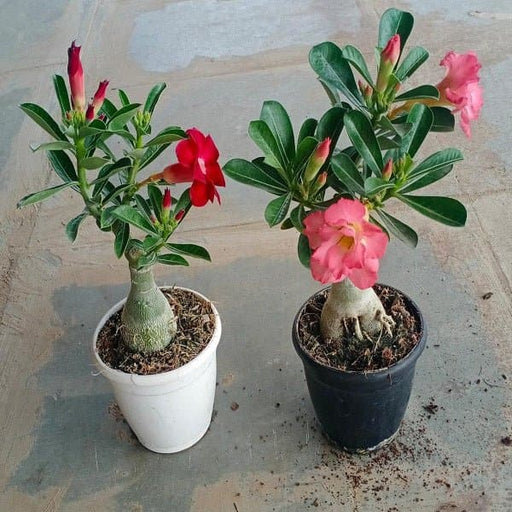
Set of 2 Bonsai Looking Grafted Adeniums Transform your indoor or outdoor space with our exquisite Set of 2 Bonsai Looking Grafted Adenium...
View full details
Save 45%
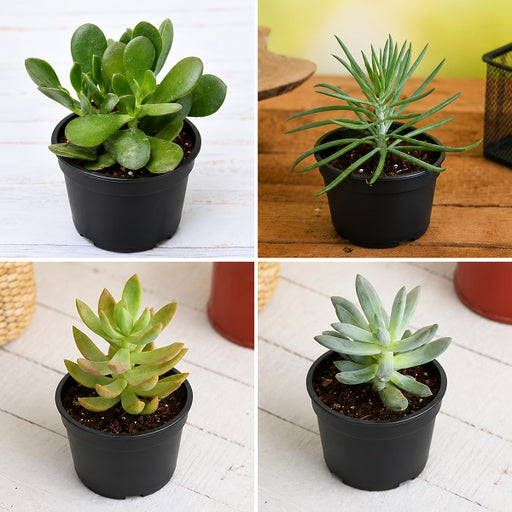
Top 4 Die Hard Succulents Pack Transform your indoor or outdoor space with our Top 4 Die Hard Succulents Pack, featuring a curated selecti...
View full details
Save 30%
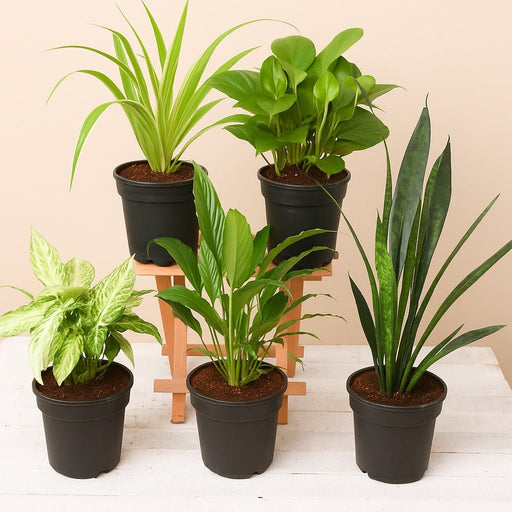
5 Best Indoor Plants Pack Transform your living space into a lush oasis with our '5 Best Indoor Plants Pack.' This carefully curated collection fe...
View full details
Save 25%
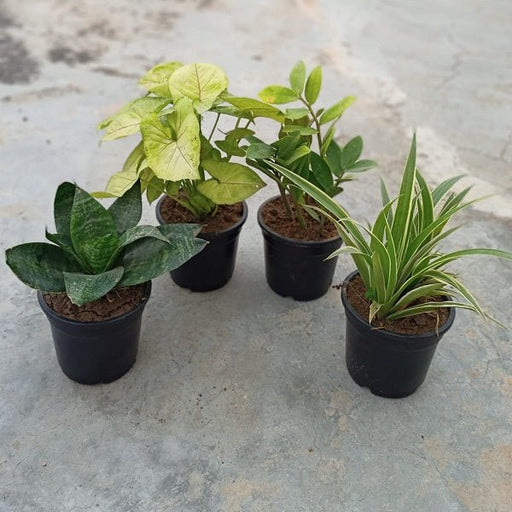
Set of 4 Evergreen Air Purifier Plant Pack Transform your indoor space into a lush, green oasis with our Set of 4 Evergreen Air Purifier Pla...
View full details| SrNo | Item Name |
|---|---|
| 1 | Tacca aspera |
Tacca aspera, commonly known as the Bat Plant, is a unique and exotic perennial plant native to the tropical regions of Southeast Asia. This striking plant is renowned for its unusual bat-shaped flowers, which can reach up to 12 inches in diameter and feature long, whisker-like filaments that can extend up to 28 inches. The dark, almost black flowers bloom in late summer to early fall, creating a dramatic focal point in any garden or indoor space.
With its lush, green foliage and captivating blooms, Tacca aspera is not just a plant; it's a conversation starter. Its intriguing appearance and rarity make it a prized addition for collectors and enthusiasts alike. This plant thrives in warm, humid environments, making it an ideal choice for tropical gardens or as a houseplant in suitable conditions.
Tacca aspera stands out due to its unique morphology and the rarity of its flowers. Unlike typical flowering plants, the Bat Plant's blooms resemble a bat in flight, making it a fascinating specimen for botanical gardens and plant lovers. Its ability to thrive in low-light conditions adds to its appeal, allowing it to flourish in various indoor settings.
This plant is not only visually stunning but also has a rich cultural significance in some regions. In traditional medicine, parts of the Tacca aspera plant have been used for their purported health benefits. Additionally, its large, glossy leaves can grow up to 3 feet long, providing a lush backdrop for its dramatic flowers.
Tacca aspera plays a role in its native ecosystem by providing habitat and food for various pollinators. Its cultivation can promote biodiversity and contribute to the conservation of tropical plant species. By growing this unique plant, you can help raise awareness about the importance of preserving tropical flora and fauna.
If you think caring for a Tacca aspera is like raising a pet rock, think again! This tropical beauty demands attention, but don’t worry, it won’t judge you for your questionable taste in music. Keep it in well-draining soil, provide bright, indirect light, and water it like you’re nurturing a diva. Just remember, overwatering is a no-no; this plant prefers to sip rather than guzzle.
Patience is a virtue, especially when waiting for your Tacca aspera to strut its stuff. This slowpoke takes its sweet time to grow, so don’t expect it to shoot up like a weed. Instead, think of it as a fine wine—better with age. With the right care, it’ll eventually reward you with those stunning, unique leaves that’ll make your neighbors green with envy.
Want to multiply your Tacca aspera like rabbits? Propagation is the name of the game! You can do this through division or offsets, but be prepared for a little dirt under your nails. Just remember, patience is key; these little ones take time to establish themselves. It’s like waiting for a good punchline—worth it in the end!
Tacca aspera is a bit of a soil snob. It craves well-draining, rich soil that’s as luxurious as a five-star hotel. Think of a mix that includes peat, perlite, and compost—basically, a spa day for your plant. If you skimp on the soil quality, your Tacca might just throw a tantrum and refuse to grow.
This plant is a bit of a diva when it comes to lighting. It prefers bright, indirect light, much like a celebrity avoiding the paparazzi. Too much direct sunlight, and it might just scorch its beautiful leaves. So, find that sweet spot where it can bask in the glow without getting burned—like a sunbather with SPF 50.
let the top inch of soil dry out before giving it a drink. It’s all about that sweet spot, where your plant feels loved but not overwhelmed.
If you want your Tacca aspera to thrive, think of fertilization as its version of a gourmet meal. Use a balanced, water-soluble fertilizer every few weeks during the growing season. Just don’t overdo it; too much fertilizer can lead to a plant that’s more “hot mess” than “hot shot.”
Like any good drama, pests can crash the party when you least expect it. Aphids, spider mites, and mealybugs are the usual suspects. Keep an eye out for these uninvited guests, and if they show up, don’t hesitate to give them the boot with insecticidal soap or neem oil. Your Tacca deserves a pest-free life!
Tacca aspera is a tropical plant, which means it’s not a fan of the cold. Keep it cozy in temperatures between 65°F and 85°F, and it’ll reward you with lush growth. If the temperature dips too low, it might just sulk in the corner, refusing to grow.
If you’re waiting for your Tacca aspera to bloom, prepare for a long wait. This plant is more about the foliage than the flowers, but when it does decide to show off, it’s a sight to behold. Think of it as the introverted friend who surprises everyone at the party with a killer dance move.
Beyond its stunning appearance, Tacca aspera has some practical uses. In some cultures, its tubers are edible, making it a plant that’s both beautiful and functional. Just remember, if you’re planning to cook with it, do your research first—nobody wants a surprise dinner guest that’s not on the menu!
Tacca aspera, also known as the bat flower, is a unique tropical plant famous for its striking dark purple flowers resembling bats in flight. Native to Southeast Asia, it thrives in humid environments and adds a touch of the exotic to any garden. Just don’t expect it to swoop down and say hello!
You can find Tacca aspera in tropical regions, particularly in Southeast Asia. If you’re not planning a trip to the rainforest, check out specialty nurseries or online plant shops. Just remember, this plant prefers a warm, humid environment, so don’t leave it out in the cold—literally!
Caring for Tacca aspera is like nurturing a diva. It loves well-draining soil, bright indirect light, and humidity. Water it regularly, but don’t drown it—think of it as a thirsty friend, not a fish! Fertilize during the growing season, and it’ll reward you with those fabulous bat-like blooms.
Yes, Tacca aspera is a perennial plant, meaning it can live for several years if treated right. It’ll keep coming back, much like that one friend who overstays their welcome. Just provide the right conditions, and it’ll flourish year after year, giving you blooms that are sure to impress.
Absolutely! Tacca aspera can be grown indoors, provided you mimic its natural humid environment. Place it near a bright window, keep the humidity high, and water it regularly. Just be prepared for some curious glances from guests—its unique flowers are bound to spark conversations, or perhaps a few bat-related puns!
Tacca aspera thrives in warm, humid conditions with temperatures between 65°F and 85°F. It loves well-draining soil and bright, indirect light. Think of it as a tropical vacation for your plant—just don’t forget the sunscreen (or, you know, the right potting mix)!
Good news for pet owners! Tacca aspera is not considered toxic to cats or dogs. However, it’s always wise to keep an eye on your furry friends, as they might find those intriguing bat-like flowers too tempting to resist. Better safe than sorry—no one wants a plant-eating pet on their hands!
Patience is key! Tacca aspera typically takes about 2 to 3 years to bloom after planting. It’s like waiting for a fine wine to mature—worth the wait! Once it finally flowers, you’ll be rewarded with those stunning bat-like blooms that will make all the waiting worthwhile.
Yes, Tacca aspera can be propagated through division. When the plant gets a bit too cozy in its pot, simply divide the tubers and replant them. It’s like giving your plant a chance to make new friends! Just ensure each division has a healthy root system for the best results.
Tacca aspera can attract pests like aphids, spider mites, and mealybugs. Keep an eye out for these little party crashers! Regularly inspect your plant and treat any infestations promptly with insecticidal soap or neem oil. After all, you want your bat flower to shine, not host a pest convention!
Water Tacca aspera when the top inch of soil feels dry. It enjoys consistent moisture but hates soggy feet—think of it as a plant with a flair for drama! During the growing season, you might need to water more frequently, but always check first. No one likes a thirsty diva!
Tacca aspera holds cultural significance in various regions, often associated with traditional medicine and local folklore. Its unique appearance has inspired stories and art, making it a botanical celebrity. So, while it may not be a household name, it certainly has a rich backstory worth exploring!