Skip to content

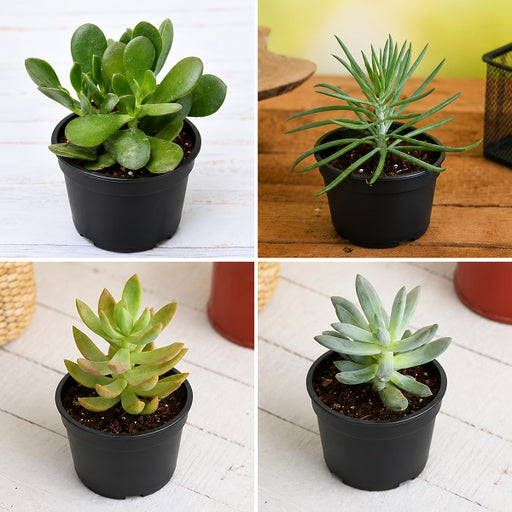
Selinum tenuifolium

Sold out
Original price ₹ 249
₹ 249
₹ 249
Current price ₹ 249

Product includes

SrNoItem Name
1Selinum tenuifolium

Description

Selenium tenuifolium, commonly known as the slender-leaved selenium, is a perennial herbaceous plant native to the wetlands of North America. This unique species is characterized by its delicate, narrow leaves and vibrant yellow flowers that bloom in late spring to early summer. With its striking appearance and ecological benefits, Selenium tenuifolium is a favorite among gardeners and environmentalists alike.

This plant thrives in moist, well-drained soils and is often found in marshy areas, making it an excellent choice for rain gardens and natural landscaping. Its ability to attract pollinators and support local wildlife further enhances its appeal, contributing to biodiversity and ecosystem health.

Why It's Special

Selenium tenuifolium stands out for its adaptability to wetland environments and its role in supporting local ecosystems. This plant not only beautifies landscapes but also plays a crucial role in water filtration and soil stabilization, making it an essential component of sustainable gardening practices.

Additionally, its vibrant flowers provide a vital food source for bees, butterflies, and other pollinators, promoting biodiversity and ecological balance. By incorporating Selenium tenuifolium into your garden, you contribute to the preservation of native species and the health of the environment.

Special Features

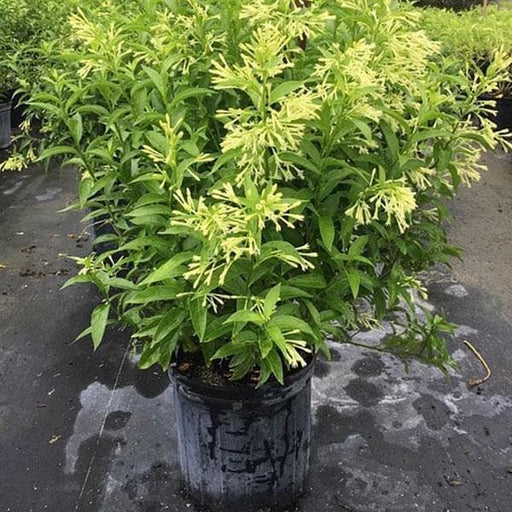
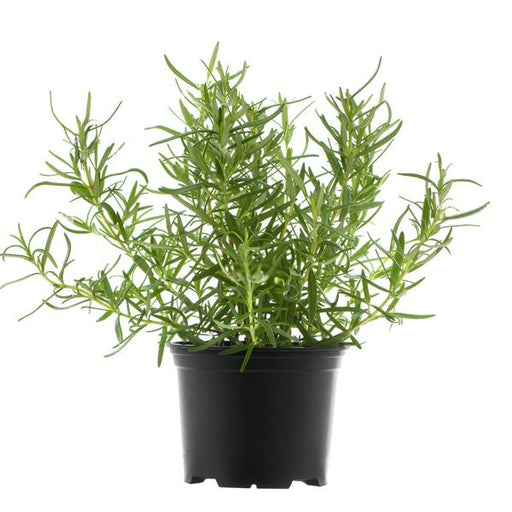
This remarkable plant features slender, linear leaves that can reach up to 12 inches in length, creating a graceful appearance. The bright yellow flowers, which bloom in clusters, not only add a splash of color but also attract a variety of beneficial insects. Selenium tenuifolium is also known for its resilience, thriving in challenging wetland conditions where many other plants struggle to survive.

Growing Instructions

  • Plant in well-drained, moist soil with a pH of 6.0 to 7.0.
  • Choose a location that receives full sun to partial shade.
  • Space plants 12 to 18 inches apart to allow for growth.
  • Water regularly, especially during dry spells, to maintain soil moisture.

Care Instructions

  • Mulch around the base to retain moisture and suppress weeds.
  • Fertilize with a balanced, slow-release fertilizer in early spring.
  • Prune spent flowers to encourage new blooms and maintain plant health.
  • Monitor for pests and diseases, treating as necessary with organic solutions.

Uses

  • Ideal for rain gardens and wetland restoration projects.
  • Attracts pollinators, making it perfect for wildlife gardens.
  • Can be used in herbal remedies, as it has traditional medicinal properties.
  • Serves as an ornamental plant in borders and naturalized areas.

Fun Facts

  • Selenium tenuifolium is known for its ability to thrive in nutrient-poor soils, making it a resilient choice for challenging landscapes.
  • This plant has been used in traditional medicine by Indigenous peoples for its anti-inflammatory properties.
  • Its flowers are not only beautiful but also play a crucial role in supporting declining pollinator populations.
  • In addition to its ecological benefits, Selenium tenuifolium has a rich history in local folklore, often associated with healing and protection.

Selinum tenuifolium Characteristics

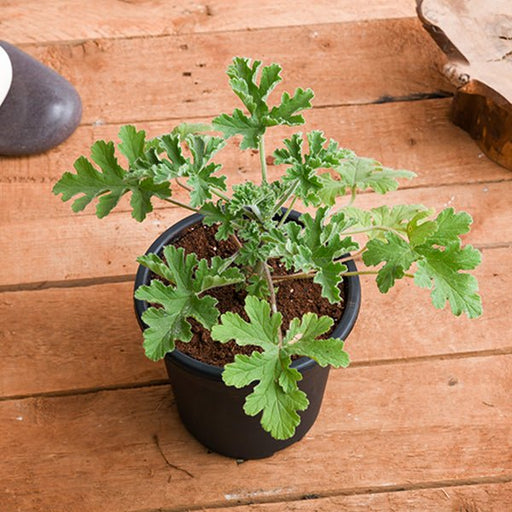
This tree is like the introverted artist of the plant world—delicate, elegant, and often overlooked. With its slender leaves and graceful form, it stands out in a crowd, yet prefers to keep things low-key. Its unique foliage can make any garden feel like a botanical gallery, showcasing nature's artistry.

Selinum tenuifolium Habitat

Picture a cozy nook in a forest where sunlight dapples through the leaves—this is the ideal habitat for Selinum tenuifolium. It thrives in moist, well-drained soils, often found in temperate regions. It’s like that friend who only feels comfortable in a familiar café, surrounded by the right ambiance.

Selinum tenuifolium Growth Rate

If patience is a virtue, then growing Selinum tenuifolium is a masterclass in it. This tree takes its sweet time to reach maturity, reminding us that good things come to those who wait. It’s the tortoise in the race of life, slowly but surely making its mark.

Selinum tenuifolium Uses

Beyond its aesthetic appeal, Selinum tenuifolium is the Swiss Army knife of trees. It can be used for landscaping, erosion control, and even as a natural habitat for local wildlife. It’s like that multi-talented friend who can cook, sing, and fix your Wi-Fi all in one evening.

Selinum tenuifolium Care

Caring for Selinum tenuifolium is akin to nurturing a delicate friendship. It requires just the right amount of water, sunlight, and love. Too much attention, and it might wilt; too little, and it’ll feel neglected. Balance is key, much like in any good relationship.

Selinum tenuifolium Propagation

Propagating Selinum tenuifolium is like starting a book club—everyone wants to join in, but you need the right conditions. Whether through seeds or cuttings, this tree can spread its charm if given the right environment. Just remember, not all book clubs survive!

Selinum tenuifolium Pests

Like any good drama, Selinum tenuifolium has its share of antagonists. Pests can be a nuisance, but with a little vigilance and the right organic treatments, you can keep these villains at bay. Think of it as a superhero saga where you’re the hero protecting your leafy friend.

Selinum tenuifolium Soil Requirements

This tree is a bit of a soil snob, preferring rich, loamy earth that drains well. It’s like that friend who only dines at five-star restaurants—Selinum tenuifolium knows what it likes and won’t settle for less.

Selinum tenuifolium Climate

If you’re planning to host a Selinum tenuifolium, make sure the climate is just right. It enjoys temperate zones, where it can bask in the sun without breaking a sweat. Too hot or too cold, and it might just throw a tantrum.

Selinum tenuifolium Aesthetic Appeal

With its fine, lacy leaves and elegant stature, Selinum tenuifolium is the fashionista of the tree world. It adds a touch of sophistication to any landscape, making it the go-to choice for those looking to elevate their garden’s style quotient.

Selinum tenuifolium Lifespan

This tree is in it for the long haul, boasting a lifespan that can rival your favorite sitcom. With proper care, it can thrive for decades, becoming a cherished part of your garden’s story. It’s the reliable friend who’s always there for you.

Selinum tenuifolium Companion Plants

When it comes to companionship, Selinum tenuifolium knows how to pick its friends wisely. It pairs beautifully with other native plants, creating a harmonious ecosystem. Think of it as the social butterfly of the garden, bringing everyone together for a good time.

Trending Collections

Save 40% with Gardening Solutions

You may also need

FAQ

What is Selinum tenuifolium?

Selinum tenuifolium, also known as slender-leaved selinum, is a charming perennial herb native to Europe. With its delicate, feathery leaves and clusters of white flowers, it’s like nature’s way of saying, “Look at me, I’m fabulous!” Perfect for adding a touch of elegance to your garden, it’s a must-have for plant enthusiasts.

Where does Selinum tenuifolium grow?

This lovely plant prefers the temperate climates of Europe, often found in meadows and grasslands. It thrives in well-drained soil and enjoys a sunny spot, making it the diva of the plant world. Just remember, it’s not a fan of soggy feet—so keep those watering cans in check!

How tall does Selinum tenuifolium grow?

Selinum tenuifolium typically reaches heights of 30 to 60 centimeters. It’s not the tallest plant in the garden, but it certainly knows how to stand out with its graceful stature. Think of it as the elegant friend who doesn’t need to be the center of attention to shine!

Is Selinum tenuifolium deer-resistant?

Yes, Selinum tenuifolium is generally deer-resistant! While these four-legged munchers might nibble on other plants, they tend to leave this beauty alone. It’s like having a secret garden bouncer—keeping the unwanted guests at bay while you enjoy the floral festivities.

What are the ideal growing conditions for Selinum tenuifolium?

Selinum tenuifolium loves well-drained soil, full sun to partial shade, and moderate moisture. It’s like the Goldilocks of plants—too much water, and it’ll sulk; too little, and it’ll throw a tantrum. Find that sweet spot, and you’ll be rewarded with a stunning display!

Can Selinum tenuifolium be grown in containers?

Absolutely! Selinum tenuifolium can thrive in containers, making it a versatile choice for patios or balconies. Just ensure the pot has good drainage, and your plant will be as happy as a clam. It’s like having a portable garden party wherever you go!

When does Selinum tenuifolium bloom?

This delightful plant typically blooms from late spring to early summer. Its clusters of white flowers are like little confetti bursts in your garden, celebrating the arrival of warmer days. Just be sure to have your camera ready; these blooms are Instagram-worthy!

How do you propagate Selinum tenuifolium?

Propagation is a breeze with Selinum tenuifolium! You can divide established clumps in spring or take stem cuttings. Just remember, it’s not a race—give those cuttings some time to root, and soon you’ll have a mini army of slender-leaved beauties ready to take over your garden!

Is Selinum tenuifolium suitable for wildlife gardens?

Yes, indeed! Selinum tenuifolium attracts pollinators like bees and butterflies, making it a fantastic addition to wildlife gardens. It’s like throwing a party for nature’s VIPs. Just plant it, sit back, and watch the guests arrive—nature’s own version of a garden soirée!

What pests or diseases affect Selinum tenuifolium?

While Selinum tenuifolium is generally hardy, it can occasionally attract aphids or suffer from root rot if overwatered. Think of it as a plant with a few quirks—just keep an eye out for those pesky aphids, and your slender-leaved friend will thrive!

Can Selinum tenuifolium be used in cooking?

While Selinum tenuifolium is primarily an ornamental plant, it’s not typically used in cooking. It’s more of a garden superstar than a culinary star. So, admire its beauty in the garden, but leave the cooking to the herbs that are ready to spice things up!