What makes Aglaonema Red Peacock (Widuri) stand out?
This variety is loved for its red peacock vibrant colouring, with striking red and pink veining across bold decorative foliage. The dramatic leaf colour makes it a centrepiece houseplant that adds warmth to indoor spaces.
Is Aglaonema Red Peacock a compact plant for indoors?
Yes, it has a compact indoor size that suits tabletops, shelves and smaller corners. Combined with its easy-care nature, this makes it a practical choice for adding colourful foliage to homes and offices without taking up much room.
How much light does the Red Peacock Aglaonema need?
It grows best in bright, indirect light, which helps intensify the red and pink tones, though it tolerates medium light too. Keep it out of harsh direct sun that can scorch and dull the vivid foliage.
Does more light make the red colour brighter?
Brighter indirect light generally deepens and enhances the red peacock colouring, while very low light can make new leaves greener and less vivid. A well-lit spot away from direct sun gives the richest colour.
How often should I water Aglaonema Red Peacock?
Water when the top inch or two of the soil dries out, keeping it lightly moist but never waterlogged. These plants are prone to root rot if overwatered, so ensure good drainage and water less in cool weather.
What potting mix suits this Aglaonema?
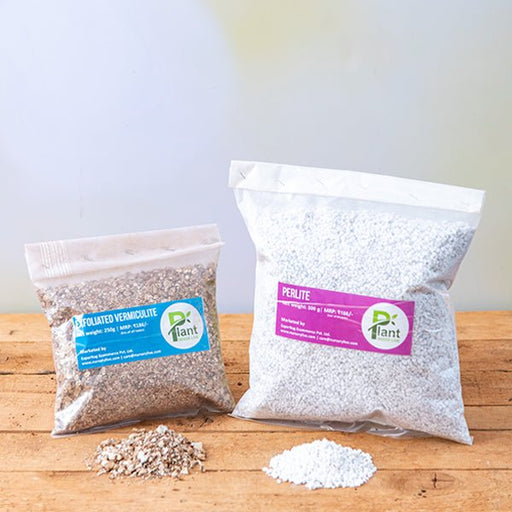
Use a light, well-draining mix such as potting soil blended with cocopeat and some perlite or coarse sand. This holds gentle moisture around the roots while allowing excess water to drain away and prevent rot.
Is Aglaonema Red Peacock an easy plant for beginners?
Yes, it is an easy-care houseplant that tolerates typical indoor conditions and occasional neglect. Its main preferences are indirect light, careful watering and warmth, making it forgiving for first-time plant owners.
Why are the tips of my Red Peacock leaves turning brown?
Brown tips are commonly caused by dry air, irregular watering or salts in tap water. Keep watering consistent, boost humidity by misting or grouping plants, and consider using filtered or rested water to keep leaf edges clean.
How do I propagate Aglaonema Red Peacock?
Propagate it by dividing the clump when repotting or by rooting stem cuttings in water or a moist, light medium. Ensure each division has some roots, and keep new plants warm and humid while they establish.
How tall does the Red Peacock Aglaonema get?
It stays compact, typically remaining under roughly 40-60 cm, keeping a neat bushy shape ideal for indoor display. Repot into a slightly bigger container every couple of years once the roots fill the pot.
How do I look after this Aglaonema during Indian winters?
Aglaonemas dislike cold, so in winter keep the plant in a warm indoor spot away from cold draughts and chilly windowsills. Reduce watering as growth slows, since cold, damp soil can quickly harm the roots.
How often should I feed Aglaonema Red Peacock?
Apply a balanced houseplant fertiliser about once a month during the warm growing season to support colourful new growth. Stop feeding in the cooler months when the plant rests, and avoid overfeeding which can burn the roots.
Is Aglaonema Red Peacock safe around pets and children?
No, like other Aglaonemas it contains calcium oxalate crystals that can cause mouth and stomach irritation if eaten. Keep it out of reach of pets and small children and wash your hands after handling cut foliage.
What size plant will I receive in the 5 inch pot?
You receive a fully-grown, nursery-mature plant established in a 5 inch (13 cm) pot, not a small sapling. It arrives nursery-fresh and ready to display, with no long growing-in period required.
Why are the lower leaves of my Red Peacock turning yellow?
Yellowing lower leaves usually indicate overwatering or poor drainage, although shedding the odd old leaf is normal. Allow the soil to dry a little more between waterings and make sure the pot drains freely to fix the issue.


 White Marble Pebbles (1 kg)
₹199
White Marble Pebbles (1 kg)
₹199 Plant O Boost — Growth Booster
₹239
Plant O Boost — Growth Booster
₹239 Garden Essential Plant Care Kit
₹599
Garden Essential Plant Care Kit
₹599