How much sunlight does the Gardenia Ananta plant need in Indian homes?
Gardenias flower best with 4-6 hours of bright light, ideally morning sun with protection from harsh afternoon rays. Near an east-facing window or a balcony edge works well; too little light and the buds drop before opening.
How often should I water this Gardenia plant in its 7 inch grower pot?
Keep the potting mix consistently moist but never waterlogged, usually watering when the top inch feels dry. In summer this may mean every 1-2 days, while in monsoon and winter you can space it out to avoid soggy roots.
What kind of soil suits the Gardenia in this grower pot?
Gardenias prefer a well-drained, slightly acidic mix rich in organic matter, such as garden soil blended with cocopeat and compost. Adding a little leaf mould or peat helps maintain the acidity they love for healthy foliage and blooms.
Why are my Gardenia leaves turning yellow?
Yellowing usually points to the soil losing acidity or to overwatering and poor drainage. Try flushing the pot, easing off water, and applying an iron or acidifying supplement; consistently soggy roots are the most common culprit in Indian conditions.
Does the Ananta Gardenia really have air-purifying benefits indoors?
The lush foliage helps freshen a room and its greenery is known to lift mood and reduce stress, making it a pleasant companion for living spaces. For blooming though, it still needs a bright spot rather than a dim indoor corner.
How do I get more of the fragrant flowers on my Gardenia?
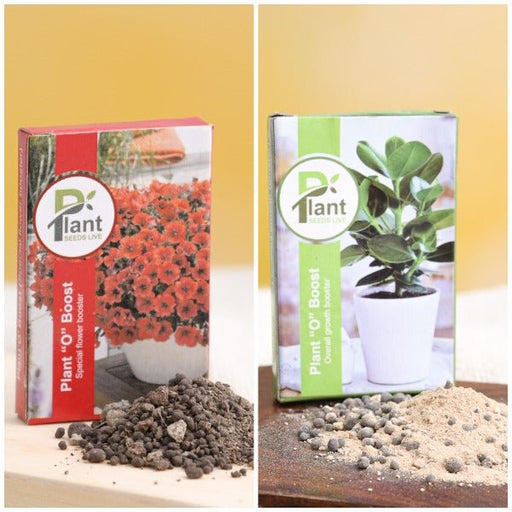
Feed with a bloom-boosting fertiliser during the active growing season, keep it in bright light, and maintain steady moisture. Bud drop from sudden temperature swings, dry air or moving the pot around is the usual reason for few flowers.
Is the Gardenia Ananta plant safe around pets and children?
Gardenia is generally considered mildly toxic if the leaves or berries are chewed, and can cause stomach upset in cats and dogs. It is best kept out of reach of curious pets and small children to be safe.
What pot size does the plant arrive in and can I keep it as is?
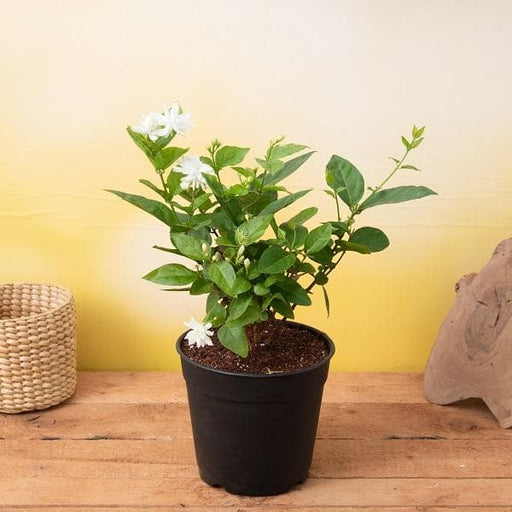
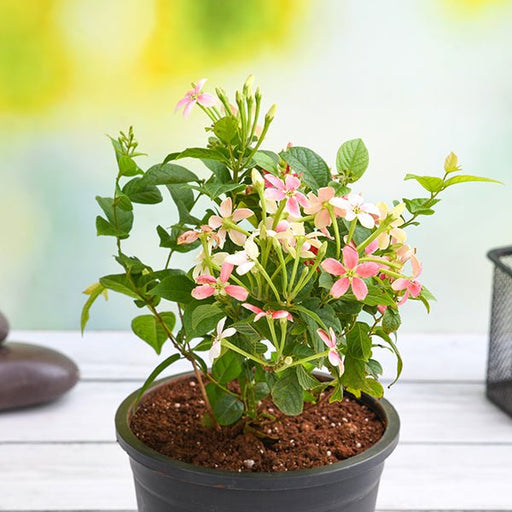
It ships in a 7 inch (18 cm) black round grower pot, ready to grow immediately with no settling-in period. You can keep it in this pot for a season and repot to a larger container once roots fill it out.
When should I repot this Gardenia into a bigger pot?
Repot when roots start circling or emerging from the drainage holes, typically after a season of growth. Choose a pot just one to two sizes larger and do it in spring so the plant recovers quickly during warm weather.
What is the best season to plant or transplant a Gardenia in India?
Spring is ideal as the warmer days and longer light give the plant a strong start. Avoid disturbing roots during peak summer heat or heavy monsoon, when transplant stress and root rot are more likely.
How should I care for the Gardenia during the harsh Indian summer?
Shade it from scorching afternoon sun, water more frequently to prevent the soil drying out, and mist occasionally as gardenias enjoy humidity. A layer of mulch over the soil helps keep the roots cool and moist.
How do I protect this Gardenia during the monsoon?
Ensure the pot drains freely and never lets water collect at the base, since excess moisture invites root rot and fungal spots. Move it under cover during prolonged downpours and ease back on watering while humidity is high.
Does the Gardenia need pruning, and when?
Yes, regular light pruning keeps it compact and encourages fresh flowering wood. Trim after a flush of blooms fades, removing spent flowers and leggy stems, ideally before the next growing season begins.
How do I deal with pests like mealybugs on my Gardenia?
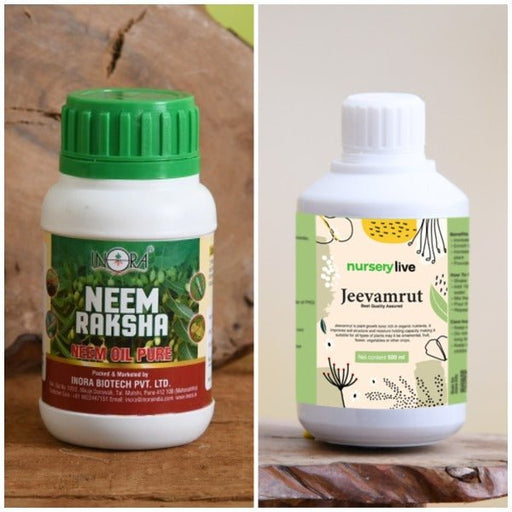
Gardenias can attract mealybugs, aphids and scale, seen as sticky residue or white cottony spots. Wipe leaves clean, spray with neem oil solution, and improve air circulation; catching an infestation early makes it much easier to control.
What fertiliser is best for the Gardenia Ananta plant?
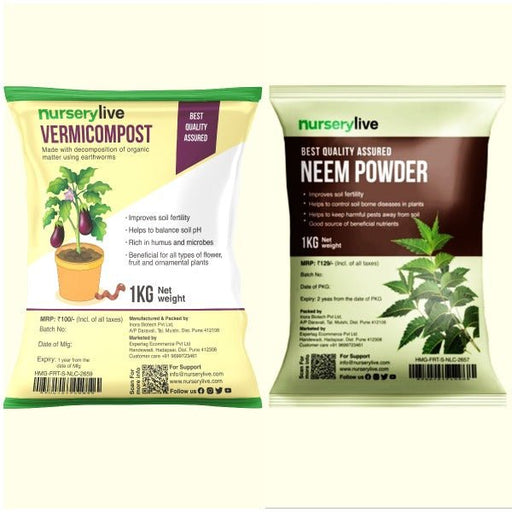
Use a balanced or slightly acidic fertiliser during the growing season, supplemented with organic compost or vermicompost. An occasional dose of an iron-rich or acidifying feed keeps the foliage deep green and supports abundant fragrant blooms.


 White Marble Pebbles (1 kg)
₹199
White Marble Pebbles (1 kg)
₹199 Plant O Boost — Growth Booster
₹239
Plant O Boost — Growth Booster
₹239 Garden Essential Plant Care Kit
₹599
Garden Essential Plant Care Kit
₹599