Skip to content

Drypetes sepiaria

Sold out
Original price ₹ 249
₹ 249
₹ 249
Current price ₹ 249

Product includes

SrNoItem Name
1Drypetes sepiaria

Drypetes sepiaria - The Versatile Wonder Plant

Drypetes sepiaria, commonly known as the "African Olive," is a remarkable plant native to tropical regions of Africa and Asia. This evergreen shrub is celebrated for its glossy leaves and small, fragrant flowers, making it a stunning addition to any garden. Its resilience and adaptability to various soil types make it a favorite among gardeners and landscapers alike.

What sets Drypetes sepiaria apart is its multifaceted utility. Not only does it enhance aesthetic appeal, but it also plays a crucial role in local ecosystems by providing habitat and food for various wildlife species. Its seeds are rich in oil, which has been traditionally used for cooking and medicinal purposes.

One of the special features of Drypetes sepiaria is its ability to thrive in poor soil conditions, making it an excellent choice for sustainable gardening. Additionally, its drought-resistant nature contributes to water conservation efforts, making it an environmentally friendly option for landscaping.

Growing Instructions

  • Plant in well-drained soil with a pH of 6.0 to 7.5.
  • Choose a location with full sun to partial shade.
  • Space plants 3 to 5 feet apart to allow for growth.
  • Water regularly during the first year; once established, it requires minimal watering.

Care Instructions

  • Prune annually to maintain shape and encourage bushy growth.
  • Fertilize with a balanced fertilizer in early spring.
  • Monitor for pests; treat with organic insecticides if necessary.
  • Mulch around the base to retain moisture and suppress weeds.

Uses

  • Seeds can be harvested for oil extraction.
  • Leaves can be used in traditional medicine for various ailments.
  • Ideal for hedges, borders, and as a specimen plant in gardens.
  • Provides excellent erosion control on slopes and banks.

Fun Facts

  • Drypetes sepiaria is known for its ability to improve soil quality by fixing nitrogen.
  • The plant has been used in traditional African medicine for centuries.
  • Its seeds are a source of edible oil, often referred to as "African olive oil."
  • Drypetes sepiaria is a favorite among pollinators, attracting bees and butterflies.

Environmental Impact

By incorporating Drypetes sepiaria into your landscape, you contribute to biodiversity and support local wildlife. Its drought-resistant properties help conserve water, making it an eco-friendly choice for sustainable gardening practices. This plant not only beautifies your space but also plays a vital role in maintaining ecological balance.

Drypetes sepiaria Tree Benefits

This tree isn’t just a pretty face in the forest; it’s a multitasking marvel! Known for its medicinal properties, the Drypetes sepiaria tree has been used in traditional medicine to treat various ailments. Its leaves and bark are packed with compounds that can help with inflammation and even boost your immune system. So, if you’re looking for a natural remedy, this tree might just be your new best friend. Who knew that a tree could be so helpful?

Drypetes sepiaria Tree Habitat

a lush, tropical paradise where the Drypetes sepiaria tree thrives. This beauty loves to hang out in warm, humid climates, often found in rainforests and along riverbanks. It’s like the tree version of a beach bum, soaking up the sun and enjoying the moisture. If you’re planning a trip to the tropics, keep an eye out for this leafy gem; it’s the life of the forest party!

Drypetes sepiaria Tree Growth Rate

If you’re impatient for a tree to grow, the Drypetes sepiaria might not be your best bet. This tree takes its sweet time, growing at a moderate pace. But hey, good things come to those who wait! With the right care and conditions, it can reach impressive heights, making it a stunning addition to any landscape. So, grab a cup of coffee, sit back, and enjoy the slow but steady growth of this magnificent tree.

Drypetes sepiaria Tree Uses

The Drypetes sepiaria tree is like the Swiss Army knife of the plant world. Its wood is durable and often used in construction, while its leaves can be brewed into teas or used in traditional remedies. Not to mention, it provides shade and habitat for various wildlife. This tree is not just a pretty sight; it’s a functional superstar that contributes to both human needs and ecological balance. Talk about a tree with a purpose!

Drypetes sepiaria Tree Identification

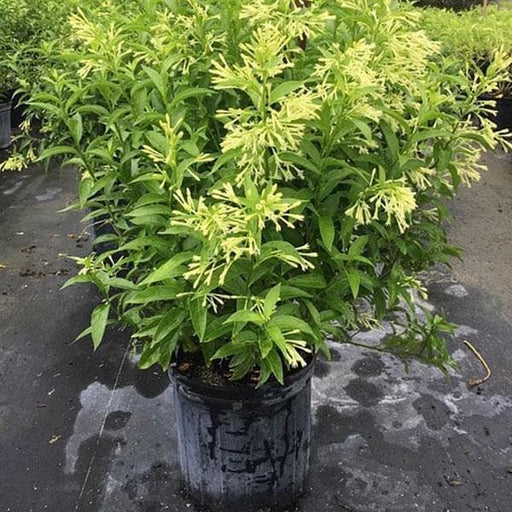
Spotting a Drypetes sepiaria tree is like playing a game of botanical hide-and-seek. With its glossy green leaves and distinctive yellowish flowers, it can be a showstopper in the right setting. The bark is smooth and grayish, adding to its charm. If you’re out in the wild, keep your eyes peeled for this beauty; it’s a tree that knows how to make an entrance!

Drypetes sepiaria Tree Propagation

Want to grow your own Drypetes sepiaria tree? Get ready for a little adventure! This tree can be propagated from seeds or cuttings, but it requires a bit of patience and care. The seeds need to be sown in well-draining soil and kept moist. It’s like raising a child; you need to nurture it to see it flourish. So, roll up your sleeves and get ready to embark on your tree-planting journey!

Drypetes sepiaria Tree Pests

Every tree has its enemies, and the Drypetes sepiaria is no exception. While it’s generally resilient, it can fall prey to pests like aphids and caterpillars. But fear not! A little vigilance and some natural pest control methods can keep these pesky critters at bay. Think of it as a game of whack-a-mole; stay alert, and you’ll keep your tree healthy and thriving!

Drypetes sepiaria Tree Conservation

In a world where deforestation is a hot topic, the conservation of the Drypetes sepiaria tree is crucial. This tree plays a vital role in its ecosystem, providing habitat and food for various species. By supporting conservation efforts, you’re not just saving a tree; you’re helping to maintain biodiversity and protect the environment. So, let’s give a round of applause to this tree and all the efforts to keep it standing tall!

Drypetes sepiaria Tree Cultural Significance

The Drypetes sepiaria tree isn’t just a botanical wonder; it holds cultural significance in various communities. Often revered for its medicinal properties, it’s been a part of traditional practices for generations. Whether used in rituals or as a source of healing, this tree has woven itself into the cultural fabric of many societies. It’s not just a tree; it’s a storyteller of history and tradition!

Drypetes sepiaria Tree Landscaping

Looking to add a touch of elegance to your garden? The Drypetes sepiaria tree is your go-to! With its lush foliage and graceful form, it makes for a stunning focal point in any landscape design. Whether you’re creating a tropical oasis or a serene retreat, this tree can elevate your outdoor space. Just imagine sipping your morning coffee under its shade; pure bliss!

Drypetes sepiaria Tree Climate Adaptability

The Drypetes sepiaria tree is like that friend who can adapt to any situation. Thriving in tropical climates, it can also handle a bit of variability in conditions. While it prefers humidity, it can tolerate some drought, making it a versatile choice for various landscapes. So, if you’re looking for a tree that can roll with the punches, this one’s got you covered!

Trending Collections

Save 40% with Gardening Solutions

You may also need

FAQ

What is Drypetes sepiaria?

Drypetes sepiaria, also known as the “wild olive,” is a tropical tree that’s not just a pretty face. It boasts glossy leaves and small, fragrant flowers, making it a favorite among nature lovers. This tree is a true multitasker, providing shade, beauty, and even medicinal properties. Who knew a tree could be so talented

Where can I find Drypetes sepiaria?

You can find Drypetes sepiaria in tropical regions, particularly in Africa and parts of Asia. It thrives in well-drained soils and loves a good sunbath. If you’re on a quest to spot this botanical gem, head to coastal areas or rainforests where it’s known to strut its stuff. Happy tree hunting!

How tall does Drypetes sepiaria grow?

Drypetes sepiaria can reach impressive heights of up to 20 meters. That’s right, it’s not just a shrub trying to be a tree! With its towering presence, it can provide ample shade for those seeking refuge from the sun. Just imagine lounging under its leafy canopy, sipping a drink, and enjoying nature’s air conditioning.

Is Drypetes sepiaria used in traditional medicine?

Absolutely! Drypetes sepiaria has been a go-to in traditional medicine for ages. Its leaves and bark are often brewed into teas or concoctions to treat various ailments. From digestive issues to skin irritations, this tree has a remedy for almost everything. Who knew nature had its own pharmacy

What are the ecological benefits of Drypetes sepiaria?

Drypetes sepiaria is an ecological superstar! It provides habitat for various wildlife, including birds and insects. Its deep roots help prevent soil erosion, while its leaves contribute to the nutrient cycle. Plus, it’s a carbon sink, helping to combat climate change. Talk about being a tree with a mission!

Can Drypetes sepiaria be grown in gardens?

Yes, Drypetes sepiaria can be a stunning addition to gardens in tropical climates. With its attractive foliage and fragrant flowers, it’s sure to turn heads. Just ensure it has enough space to grow tall and proud. Remember, this tree doesn’t do cramped quarters; it’s a diva that needs room to shine!

What type of soil does Drypetes sepiaria prefer?

Drypetes sepiaria prefers well-drained, sandy to loamy soils. It’s not a fan of soggy feet, so make sure the soil drains well to keep this tree happy. A little organic matter never hurts, either! Think of it as giving your tree a spa day—everyone loves a little pampering!

How often should I water Drypetes sepiaria?

Watering Drypetes sepiaria depends on the climate, but generally, it enjoys a moderate amount. During dry spells, give it a good soak, but don’t drown it! A little love goes a long way. Just remember, this tree prefers to sip rather than gulp, so keep the watering can handy but not too heavy!

Is Drypetes sepiaria susceptible to pests?

While Drypetes sepiaria is relatively resilient, it can attract a few pesky visitors like aphids or caterpillars. But fear not! A little neem oil or insecticidal soap can send them packing. Just keep an eye out, and your tree will continue to thrive, looking fabulous and pest-free!

What is the lifespan of Drypetes sepiaria?

Drypetes sepiaria can live for several decades, making it a long-term investment in your garden. With proper care, it can thrive for 50 years or more. That’s right, this tree is in it for the long haul! So, plant it, nurture it, and enjoy its company for years to come.

Are there any culinary uses for Drypetes sepiaria?

While Drypetes sepiaria isn’t a culinary superstar, its seeds can be used in traditional dishes in some cultures. However, they’re not exactly the main ingredient at dinner parties. Think of it as a quirky sidekick in the culinary world—interesting but not stealing the spotlight. Always check local practices before diving in!