Skip to content

Magnolia humilis - Plant

Sold out
Original price ₹ 249
₹ 249
₹ 249
Current price ₹ 249

Product includes

SrNoItem Name
1Magnolia humilis - Plant

Magnolia humilis - Plant

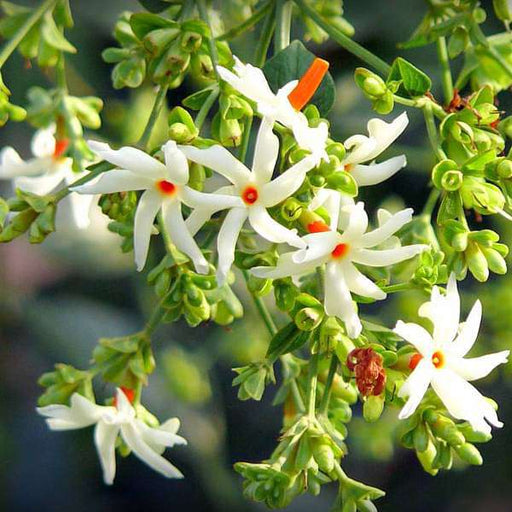
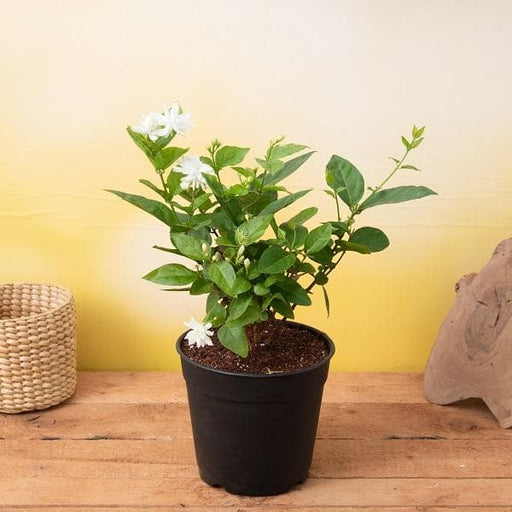
Magnolia humilis, commonly known as the Dwarf Magnolia, is a stunning deciduous shrub native to the temperate regions of East Asia. This compact plant showcases beautiful, fragrant flowers that bloom in early spring, creating a breathtaking display of creamy white to pale pink petals. With its unique growth habit and striking foliage, Magnolia humilis is an excellent choice for gardens, borders, and even container planting.

What makes Magnolia humilis special is its adaptability to various soil types and its ability to thrive in both full sun and partial shade. This resilient plant not only enhances the aesthetic appeal of any landscape but also attracts pollinators, contributing positively to the local ecosystem. Its compact size makes it ideal for smaller gardens or urban settings.

One of the standout features of Magnolia humilis is its long-lasting blooms, which can persist for several weeks. Additionally, its glossy green leaves provide year-round interest, turning a lovely yellow in the fall. This plant is not just a visual delight; it also has historical significance in traditional medicine, where various parts of the plant have been used for their therapeutic properties.

Growing Instructions

  • Plant in well-draining soil enriched with organic matter.
  • Choose a location with full sun to partial shade for optimal growth.
  • Space plants 3 to 5 feet apart to allow for mature growth.
  • Water regularly, especially during dry spells, to maintain soil moisture.

Care Instructions

  • Prune after flowering to maintain shape and encourage new growth.
  • Apply a balanced fertilizer in early spring to promote healthy blooms.
  • Mulch around the base to retain moisture and suppress weeds.
  • Monitor for pests and diseases, treating promptly if necessary.

Uses

  • Ideal for ornamental gardens, borders, and foundation plantings.
  • Can be used in container gardening for patios and balconies.
  • Attracts bees and butterflies, enhancing biodiversity.
  • Historically used in traditional medicine for its calming properties.

Fun Facts

  • Magnolia humilis is known for its resilience and can tolerate a range of soil conditions.
  • The flowers are not only beautiful but also emit a sweet fragrance that can fill the air.
  • This species is part of a larger family of Magnolias, which are among the oldest flowering plants on Earth.
  • In some cultures, the Magnolia flower symbolizes purity and dignity.

Magnolia humilis Care

If you think caring for a Magnolia humilis is like babysitting a cactus, think again! This little beauty thrives on attention, but not too much. It loves well-drained soil and a sprinkle of sunshine, but don’t drown it in water like it’s a sponge at a water park. A little pruning here and there will keep it looking sharp, and remember, it’s a diva when it comes to pests. Keep those critters at bay, and your Magnolia will reward you with stunning blooms that’ll make your neighbors green with envy.

Magnolia humilis Growth Rate

If you’re looking for a tree that grows faster than your neighbor’s gossip, Magnolia humilis is your go-to! This charming plant can reach its full height in just a few years, making it the overachiever of the garden. With the right conditions, it’ll shoot up like it’s on a mission, providing you with a lovely canopy of leaves and flowers that’ll have you feeling like you’re living in a botanical paradise. Just remember, good things come to those who wait—so don’t rush it!

Magnolia humilis Soil Requirements

Think of Magnolia humilis as a tree with a refined palate. It prefers well-drained, slightly acidic soil, much like a connoisseur at a wine tasting. If your soil is heavy and clay-like, it might just throw a tantrum. So, mix in some organic matter to keep it happy and thriving. It’s not asking for a five-star meal, just a balanced diet that keeps its roots cozy and content. Treat it right, and it’ll reward you with blooms that are the talk of the town!

Magnolia humilis Pruning

Pruning a Magnolia humilis is like giving it a stylish haircut—just the right snip can make all the difference! This tree doesn’t need a full-on makeover, but a little trim here and there will keep it looking fabulous. Aim for late winter or early spring, before the blooms start to strut their stuff. Remove any dead or crossing branches, and voilà! You’ve got a tree that’s ready for its close-up. Just remember, less is more; you’re not trying to turn it into a bonsai!

Magnolia humilis Pest Control

If you think pests are just a minor inconvenience, think again! Magnolia humilis can attract a few uninvited guests, and you don’t want your tree to become the local pest hotel. Keep an eye out for aphids and scale insects, and don’t hesitate to give them the boot. A little neem oil or insecticidal soap can work wonders, sending those pests packing. With a little vigilance, your Magnolia will remain a pest-free paradise, blooming beautifully without any unwanted drama.

Magnolia humilis Flowering Season

When it comes to flowering, Magnolia humilis knows how to make an entrance! This tree bursts into bloom in early spring, showcasing its stunning flowers that look like they’ve just stepped off a fashion runway. The blossoms are not just pretty faces; they emit a delightful fragrance that’ll have you sniffing around like a bee on a mission. So, mark your calendar and prepare for a floral fiesta that’ll have your garden buzzing with excitement. Just don’t forget to invite your friends to admire the show!

Magnolia humilis Sunlight Needs

Magnolia humilis is a sun worshipper, but it’s not a fan of the scorching heat. Think of it as the Goldilocks of trees—it wants its sunlight just right! Ideally, it thrives in full sun to partial shade, soaking up those rays without getting burned. Too much shade, and it might sulk; too much sun, and it could wilt. So, find that sweet spot in your garden where it can bask in the glory of the sun while still enjoying a little break from the heat.

Magnolia humilis Companion Plants

Pairing Magnolia humilis with the right companions is like hosting a dinner party with the perfect guest list. Think of low-growing perennials or colorful annuals that won’t overshadow your tree’s beauty. Plants like ferns or hostas can create a lovely understorey, while flowering shrubs can provide a stunning backdrop. Just make sure your companions have similar soil and sunlight needs, or you might end up with a garden drama that rivals a soap opera!

Magnolia humilis Hardiness Zone

Magnolia humilis is like that friend who can handle a bit of chill—this tree is hardy in USDA zones 5 to 9. It can brave the cold without turning into a popsicle, making it a great choice for various climates. Just remember, while it can handle some frost, it prefers to avoid the extreme cold like it’s dodging a bad date. So, if you live in a zone that fits the bill, you’re in for a treat with this resilient beauty!

Magnolia humilis Landscape Design

If you’re looking to add a touch of elegance to your landscape, Magnolia humilis is your go-to tree! Its graceful form and stunning blooms make it a showstopper in any garden design. Whether you’re going for a formal look or a more relaxed vibe, this tree can fit right in. Plant it as a focal point, or use it to create a lovely border. Just remember, it’s not just a tree; it’s a statement piece that’ll have your garden looking like it belongs in a magazine!

Magnolia humilis Propagation

Propagating Magnolia humilis is like trying to bake the perfect soufflé—it requires patience and a little finesse. You can start with seeds or cuttings, but be prepared for a waiting game. Seeds need a cold stratification period, while cuttings require a bit of TLC to root. But once you’ve mastered the art of propagation, you’ll have a mini forest of Magnolias that’ll make you feel like a gardening wizard. Just remember, good things come to those who wait—so don’t rush the magic!

Trending Collections

Save 40% with Gardening Solutions

You may also need

FAQ

What is Magnolia humilis?

Magnolia humilis, also known as the dwarf magnolia, is a charming little tree that packs a punch with its stunning flowers. Native to China, it’s perfect for those who want a touch of elegance without the towering height. Think of it as the pocket-sized version of a magnolia, ready to dazzle your garden!

How tall does Magnolia humilis grow?

This delightful plant typically reaches heights of 3 to 5 feet, making it the perfect candidate for small gardens or container planting. It’s like the little black dress of the plant world—always stylish, never overwhelming. You can enjoy its beauty without worrying about it overshadowing your other garden stars!

What are the ideal growing conditions for Magnolia humilis?

Magnolia humilis thrives in well-drained, slightly acidic soil and loves a sunny spot. It’s like a diva that demands the right stage! Ensure it gets plenty of sunlight, but don’t forget to keep it hydrated. A little TLC goes a long way in keeping this beauty blooming!

When does Magnolia humilis bloom?

Prepare for a floral fiesta! Magnolia humilis typically blooms in late spring, showcasing its stunning, fragrant flowers. It’s like nature’s way of throwing a party after a long winter. Just sit back, relax, and enjoy the show as your garden transforms into a floral wonderland!

How do I care for Magnolia humilis?

Caring for Magnolia humilis is a breeze! Just provide it with well-drained soil, regular watering, and a sprinkle of fertilizer in spring. Pruning is minimal, so you can spend more time admiring its beauty rather than fussing over it. It’s the low-maintenance friend we all wish we had!

Is Magnolia humilis deer-resistant?

Yes, Magnolia humilis is generally deer-resistant! While these critters might nibble on other plants, they tend to leave this beauty alone. It’s like having a secret weapon in your garden against those pesky herbivores. Enjoy your blooms without the worry of them becoming a deer buffet!

Can Magnolia humilis be grown in pots?

Absolutely! Magnolia humilis is a fantastic choice for container gardening. Its compact size makes it perfect for patios or balconies. Just ensure the pot has good drainage and you’re golden. It’s like having a little piece of nature right at your fingertips—no garden required!

What pests affect Magnolia humilis?

While Magnolia humilis is relatively pest-resistant, it can occasionally attract aphids or scale insects. Think of them as uninvited guests at your garden party. A gentle spray of insecticidal soap or neem oil can send them packing, allowing your magnolia to shine without unwanted distractions!

Is Magnolia humilis suitable for all climates?

Magnolia humilis prefers temperate climates, thriving in USDA zones 5 to 9. It’s not a fan of extreme cold or heat, so check your zone before planting. If you live in a suitable area, you’re in for a treat! Just think of it as finding the perfect climate match for your plant.

How fast does Magnolia humilis grow?

Magnolia humilis is a slow to moderate grower, adding about 6 to 12 inches per year. Patience is key with this beauty! It’s like waiting for a fine wine to mature—worth every moment. With time, you’ll be rewarded with stunning blooms that make the wait worthwhile!

Can I propagate Magnolia humilis?

Yes, you can propagate Magnolia humilis through softwood cuttings or by layering. It’s like creating mini versions of your favorite plant! Just ensure you provide the right conditions, and soon you’ll have a whole family of dwarf magnolias to enjoy. Who doesn’t love a little plant family reunion

What are the common uses for Magnolia humilis?

Magnolia humilis is perfect for ornamental landscaping, borders, or as a focal point in small gardens. Its stunning flowers and compact size make it a versatile choice. Think of it as the star of your garden show, bringing beauty and charm wherever it’s planted. It’s the ultimate garden accessory!