Skip to content

Buddleja asiatica - Plant

Sold out
Original price ₹ 249
₹ 249
₹ 249
Current price ₹ 249

Product includes

SrNoItem Name
1Buddleja asiatica - Plant

Buddleja asiatica - Plant

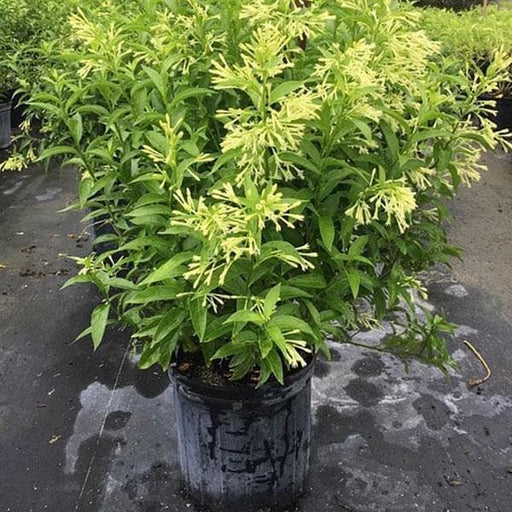
Buddleja asiatica, commonly known as the Asian Butterfly Bush, is a stunning perennial shrub native to the mountainous regions of Asia. This fast-growing plant is celebrated for its fragrant, tubular flowers that attract a myriad of pollinators, including butterflies and bees. With its lush green foliage and vibrant blooms, Buddleja asiatica is an excellent choice for gardens, borders, and wildlife habitats.

Why It's Special

This plant is not only visually appealing but also plays a crucial role in supporting local ecosystems. Its flowers are rich in nectar, making it a favorite among pollinators. Buddleja asiatica is also known for its adaptability to various soil types and climates, making it a resilient addition to any garden.

Special Features

Buddleja asiatica boasts unique characteristics, including its ability to thrive in poor soil conditions and its drought resistance once established. The plant can grow up to 10 feet tall, providing a stunning vertical element to your landscape. Its long-lasting blooms can range from lavender to deep purple, creating a vibrant display throughout the summer months.

Growing Instructions

  • Plant in well-drained soil with full sun exposure.
  • Space plants 3-5 feet apart to allow for growth.
  • Water regularly during the first growing season to establish roots.
  • Fertilize with a balanced fertilizer in early spring.

Care Instructions

  • Prune in late winter to promote new growth and maintain shape.
  • Monitor for pests such as aphids and treat as necessary.
  • Mulch around the base to retain moisture and suppress weeds.
  • Water during dry spells, especially in the first year.

Uses

  • Ideal for butterfly gardens and pollinator-friendly landscapes.
  • Can be used as a hedge or privacy screen due to its height.
  • Great for attracting beneficial insects to your garden.
  • Can be grown in containers for patios or balconies.

Fun Facts

  • Buddleja asiatica is known to have medicinal properties in traditional Asian medicine.
  • The plant's flowers can bloom from late spring to early fall, providing a long season of color.
  • It is often referred to as the "butterfly bush" due to its ability to attract butterflies.
  • This species is part of a larger family that includes over 140 species worldwide.

Environmental Impact

Buddleja asiatica contributes positively to the environment by providing essential habitats for pollinators and other wildlife. Its ability to thrive in less-than-ideal soil conditions makes it a sustainable choice for gardeners looking to enhance biodiversity. By planting Buddleja asiatica, you are not only beautifying your space but also supporting the ecosystem.

Buddleja asiatica Care

If you think caring for Buddleja asiatica is like babysitting a cactus, think again! This plant thrives on a little TLC, but don’t worry, it won’t demand a bedtime story. Just ensure it gets well-drained soil, a sunny spot, and occasional watering. It’s like the diva of the plant world—low maintenance but high on charm!

Buddleja asiatica Benefits

Why should you invite Buddleja asiatica to your garden party? Well, it’s not just a pretty face! This plant attracts butterflies and bees, making your garden the hottest spot in town for pollinators. Plus, it’s known for its air-purifying abilities, so you can breathe easy while enjoying its beauty. Talk about a win-win!

Buddleja asiatica Growth Rate

If you’re looking for a plant that grows faster than your neighbor’s gossip, Buddleja asiatica is your go-to! This beauty can reach impressive heights in just a few seasons, making it the overachiever of the garden. Just be prepared to keep up with its rapid growth—pruning might become your new hobby!

Buddleja asiatica Propagation

Want to multiply your Buddleja asiatica like rabbits? Propagation is the name of the game! You can easily take cuttings and watch them flourish into new plants. It’s like cloning your favorite plant without the sci-fi drama. Just remember, with great power comes great responsibility—don’t let them take over your garden!

Buddleja asiatica Pests

Every plant has its enemies, and Buddleja asiatica is no exception. Aphids and spider mites might try to crash the party, but fear not! A little neem oil or insecticidal soap can send them packing. Think of it as your plant’s bouncer, keeping the riffraff out while letting the butterflies in.

Buddleja asiatica Soil Requirements

Buddleja asiatica is a bit of a soil snob. It prefers well-drained, sandy loam that’s rich in organic matter. If your soil resembles a brick, it’s time for a makeover! Mix in some compost and watch your plant thrive. After all, even plants deserve a luxurious living environment!

Buddleja asiatica Sunlight Needs

This plant is a sun worshipper, soaking up rays like it’s on a tropical vacation. Buddleja asiatica thrives in full sun, so make sure to give it a prime spot in your garden. If it could wear sunglasses, it would! Just remember, too much shade is like a bad hair day for this beauty.

Buddleja asiatica Flowering Season

Get ready for a floral fiesta! Buddleja asiatica bursts into bloom during the summer, showcasing its vibrant flowers that attract all the right attention. It’s like the life of the party, drawing in butterflies and hummingbirds. Just be prepared for the compliments—your garden will be the talk of the town!

Buddleja asiatica Companion Plants

Looking for the perfect plant pals for Buddleja asiatica? Think of it as a matchmaking service for your garden! Pair it with other sun-loving perennials like lavender or salvia. Together, they’ll create a harmonious ecosystem that’s not only beautiful but also beneficial for pollinators. It’s a garden party waiting to happen!

Buddleja asiatica Hardiness Zones

Buddleja asiatica is like that friend who can handle any climate. It thrives in USDA hardiness zones 7 to 10, making it a versatile choice for many gardeners. Whether you’re in a sunny state or a slightly cooler area, this plant is ready to adapt and shine. Just don’t forget to check your zone before planting!

Buddleja asiatica Uses

This plant isn’t just a pretty face; it’s a multitasker! Buddleja asiatica can be used for hedges, borders, or even as a focal point in your garden. Its fragrant flowers can also be used in floral arrangements, making it the ultimate garden MVP. Who knew a plant could be so talented?

Buddleja asiatica Landscaping Ideas

Ready to elevate your garden game? Buddleja asiatica can be the star of your landscaping show! Use it as a backdrop for shorter plants or create a stunning border. Its vibrant blooms will add a splash of color and attract wildlife, turning your garden into a nature lover’s paradise. Get ready for the compliments!

Trending Collections

Save 40% with Gardening Solutions

You may also need

FAQ

What is Buddleja asiatica?

Buddleja asiatica, also known as the Asian butterfly bush, is a charming shrub that attracts butterflies like a magnet. With its fragrant flowers and lush foliage, it’s the perfect addition to any garden. Just be prepared for a fluttering party of pollinators!

How do I care for Buddleja asiatica?

Caring for Buddleja asiatica is a breeze! Plant it in well-drained soil, give it full sun, and water it moderately. Prune it back in early spring to encourage bushy growth. Just remember, it thrives on neglect—so don’t overdo it!

When does Buddleja asiatica bloom?

Buddleja asiatica puts on its floral show from late spring to early fall. Its vibrant blooms will have your garden looking like a butterfly rave! Just sit back, relax, and enjoy the colorful spectacle as butterflies flock to the party.

Is Buddleja asiatica invasive?

While Buddleja asiatica is a delightful addition to gardens, it can be a bit of a party crasher in some areas. It’s best to check local guidelines, as it may outcompete native plants. Keep it in check, and let the butterflies enjoy responsibly!

Can Buddleja asiatica grow in pots?

Absolutely! Buddleja asiatica can thrive in pots, making it a perfect patio companion. Just ensure the pot has good drainage and provide enough sunlight. With a little love, you’ll have a portable butterfly haven right on your balcony!

What soil is best for Buddleja asiatica?

Buddleja asiatica prefers well-drained soil that’s rich in organic matter. Think of it as a diva that doesn’t like soggy feet! A mix of loamy soil and compost will keep it happy and blooming like there’s no tomorrow.

How tall does Buddleja asiatica grow?

Buddleja asiatica can reach heights of 3 to 6 feet, depending on its mood and growing conditions. It’s like the garden’s friendly giant, providing a lovely backdrop for smaller plants while attracting all the butterflies in the neighborhood!

Can Buddleja asiatica tolerate drought?

Yes, Buddleja asiatica is quite the drought-tolerant superstar! Once established, it can handle dry spells like a champ. Just remember, it prefers a good drink during its early days, but after that, it’s ready to strut its stuff in the sun!

Is Buddleja asiatica deer-resistant?

Buddleja asiatica is not the top choice for deer, making it a great option for gardens in deer-prone areas. They tend to prefer tastier treats, leaving your butterfly bush to flourish and attract all the fluttering friends instead!

How do I propagate Buddleja asiatica?

Propagating Buddleja asiatica is as easy as pie! You can take softwood cuttings in late spring or early summer. Just dip them in rooting hormone, plant them in moist soil, and watch them grow into new butterfly-attracting beauties!

What pests affect Buddleja asiatica?

Buddleja asiatica is generally pest-resistant, but watch out for aphids and spider mites. If they crash the party, a gentle spray of water or insecticidal soap will send them packing. Keep your plant healthy, and it’ll fend off most unwanted guests!

Can Buddleja asiatica be grown indoors?

While Buddleja asiatica prefers the great outdoors, you can try growing it indoors if you have a sunny spot. Just remember, it’s a social butterfly that loves fresh air, so take it outside whenever possible for a little garden mingle!