Bitter Nightshade Benefits
Ah, the bittersweet allure of the Bitter Nightshade! This plant isn’t just a pretty face; it boasts a plethora of benefits that would make even the most skeptical gardener raise an eyebrow. Known for its medicinal properties, it has been used in traditional remedies for everything from inflammation to muscle pain. Just imagine sipping a tea brewed from its leaves while lounging in your garden, feeling like a herbal wizard. But beware, this plant is a double-edged sword; its beauty comes with a side of toxicity. So, while you’re reaping the benefits, remember to keep it away from curious pets and children.
Bitter Nightshade Toxicity
Let’s talk about the dark side of our beloved Bitter Nightshade. This plant may look like a charming garden guest, but it has a reputation for being a bit of a troublemaker. With its alluring berries and vibrant leaves, it’s easy to forget that it harbors toxic compounds. Consuming even a small amount can lead to symptoms ranging from nausea to hallucinations. So, if you’re planning a garden party, make sure to inform your guests that the Bitter Nightshade is strictly off the menu. It’s the kind of plant that’s best admired from a distance—like that eccentric relative who shows up uninvited.
Bitter Nightshade Habitat
Picture this: a wild, untamed landscape where the Bitter Nightshade thrives. This plant loves to set up camp in disturbed areas, roadsides, and even your backyard if you’re not careful. It’s like the rebellious teenager of the plant world, popping up where it pleases. Preferring well-drained soil and a good dose of sunlight, it’s not picky about its surroundings. Just give it a little space, and it’ll flourish like a diva at a music festival. So, if you’re looking to cultivate this beauty, make sure you’ve got the right environment—because the Bitter Nightshade doesn’t do well with confinement.
Bitter Nightshade Cultivation
Ready to roll up your sleeves and dive into the world of Bitter Nightshade cultivation? This plant is not for the faint of heart, but with a little know-how, you can become the proud parent of this wild beauty. Start by choosing a sunny spot with well-drained soil, and don’t forget to give it some room to spread its wings—err, leaves. Water it moderately, and watch as it grows into a lush, green spectacle. Just remember, this isn’t your average houseplant; it requires a bit of respect and caution due to its toxic nature. So, channel your inner horticulturalist and embrace the challenge!
Bitter Nightshade Uses
The Bitter Nightshade is like that multi-talented friend who can do it all—except, you know, without the risk of poisoning. Traditionally, it has been used in herbal medicine for various ailments, but its uses don’t stop there. Some crafty folks have even experimented with it in natural dyes and as a pest repellent. Just imagine whipping up a homemade insect spray that’s as effective as it is quirky! However, tread carefully; this plant is not for casual experimentation. Always consult an expert before diving into the world of Bitter Nightshade uses, or you might find yourself in a bit of a pickle.
Bitter Nightshade Identification
Identifying the Bitter Nightshade is like playing a game of botanical hide-and-seek. With its dark green leaves and purple flowers, it can easily blend into the background of your garden. But fear not! The key to spotting this plant lies in its distinctive berries, which start off green and turn a glossy black when ripe. Just remember, those berries may look tempting, but they’re not the kind of snack you want to indulge in. So, if you’re on a mission to identify this plant, keep your eyes peeled for its unique features, and don’t forget to take a selfie—just not with the berries!
Bitter Nightshade History
The history of Bitter Nightshade is as rich and complex as a fine wine. This plant has been both revered and reviled throughout the ages. Ancient civilizations used it in potions and remedies, while others warned of its toxic properties. It’s like the celebrity of the plant world—everyone knows its name, but opinions vary widely. From folklore to modern herbalism, the Bitter Nightshade has left its mark on history. So, the next time you encounter this plant, take a moment to appreciate its storied past. Who knows? You might just feel a connection to the herbalists of yore.
Bitter Nightshade Varieties
Just when you thought you knew all there was to know about Bitter Nightshade, enter the world of its varieties! This plant comes in several forms, each with its own unique charm. From the classic Solanum dulcamara to the more exotic Solanum nigrum, there’s a Bitter Nightshade for every taste. Some varieties are more toxic than others, so it’s essential to do your homework before inviting them into your garden. Think of it as a botanical buffet—choose wisely, and you might just find a new favorite. Just remember, not all that glitters is gold, especially in the world of nightshades!
Bitter Nightshade and Wildlife
The Bitter Nightshade is like the enigmatic artist of the plant kingdom, attracting a variety of wildlife while keeping its secrets close. Birds are particularly fond of its berries, treating them like nature’s candy. However, this plant’s toxicity means that not all critters can partake in its offerings. While some insects may find it unpalatable, others have learned to coexist with it. So, if you’re looking to attract wildlife to your garden, consider planting some Bitter Nightshade—but be prepared for a few curious visitors who might not read the “toxic” sign.
Bitter Nightshade in Folklore
Ah, the tales of yore! Bitter Nightshade has woven its way into folklore, often depicted as a plant of mystery and magic. In some cultures, it was believed to possess protective qualities, warding off evil spirits and bad luck. In others, it was seen as a harbinger of doom, a plant to be approached with caution. This duality makes it a fascinating subject for stories and legends. So, the next time you encounter this plant, take a moment to ponder the tales it could tell. Who knows? You might just find yourself inspired to write your own folklore!
Bitter Nightshade and Gardening
If you’re considering adding Bitter Nightshade to your garden, prepare for a wild ride! This plant is not your typical garden variety; it’s a bit of a rebel. While it can add a touch of drama with its striking appearance, it also has a tendency to spread like gossip at a family reunion. Keep an eye on it, or you might find it taking over your garden plot. But fear not! With a little vigilance and care, you can enjoy the beauty of Bitter Nightshade without letting it run amok. Just remember, gardening is all about balance—especially when dealing with a plant that has a flair for the dramatic!


 White Marble Pebbles (1 kg)
₹199
White Marble Pebbles (1 kg)
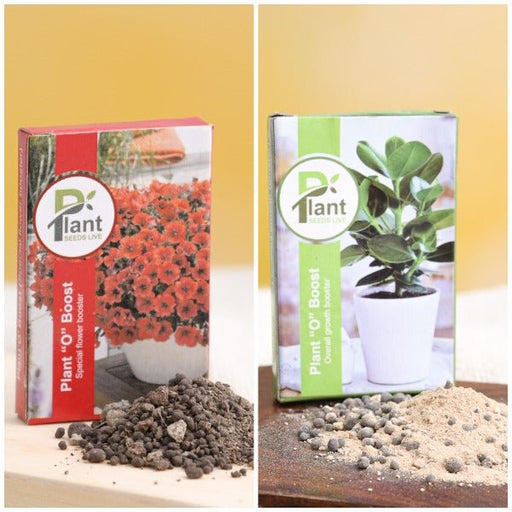
₹199 Plant O Boost — Growth Booster
₹239
Plant O Boost — Growth Booster
₹239 Garden Essential Plant Care Kit
₹599
Garden Essential Plant Care Kit
₹599