Skip to content

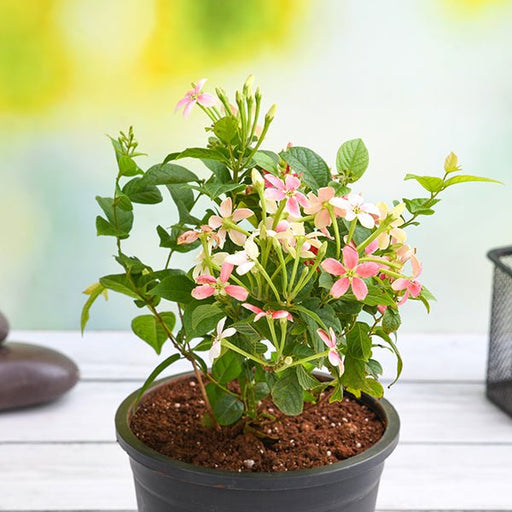
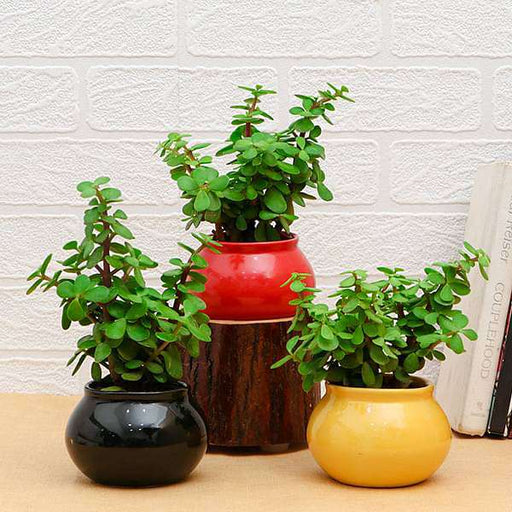
Arringtonia acutangula

Sold out
Original price ₹ 249
₹ 249
₹ 249
Current price ₹ 249

Product includes

SrNoItem Name
1Arringtonia acutangula

Arringtonia acutangula: The Unique Tropical Gem

Arringtonia acutangula, commonly known as the "Pencil Tree," is a remarkable tropical plant native to the lush rainforests of Central and South America. This evergreen species is celebrated for its strikingly angular stems and vibrant green foliage, making it a stunning addition to any garden or indoor space. With its unique growth habit and adaptability, Arringtonia acutangula is not just a plant; it's a conversation starter.

Why It's Special

What sets Arringtonia acutangula apart is its ability to thrive in various environments, from humid rainforests to drier regions. Its resilience and low maintenance requirements make it an ideal choice for both novice and experienced gardeners. Additionally, this plant plays a crucial role in its ecosystem, providing habitat and food for various wildlife species.

Special Features

Arringtonia acutangula features distinctive, angular stems that can reach heights of up to 10 feet, adorned with lush, glossy leaves. Its unique morphology not only adds aesthetic value but also contributes to its ecological significance, as it helps prevent soil erosion in its native habitat. The plant's ability to filter air pollutants further enhances its appeal as a sustainable choice for indoor and outdoor spaces.

Growing Instructions

  • Plant in well-draining soil with a pH of 6.0 to 7.5.
  • Provide partial to full sunlight; it thrives in bright, indirect light.
  • Water regularly, allowing the top inch of soil to dry out between waterings.
  • Fertilize every 4-6 weeks during the growing season with a balanced fertilizer.

Care Instructions

  • Prune regularly to maintain shape and encourage bushier growth.
  • Monitor for pests such as aphids and spider mites; treat with insecticidal soap if necessary.
  • Ensure good air circulation around the plant to prevent fungal diseases.
  • Repot every 2-3 years to refresh soil and promote healthy growth.

Uses

  • Ideal for tropical gardens, patios, and indoor spaces.
  • Can be used as a natural privacy screen or windbreak.
  • Valuable for wildlife gardens, attracting birds and beneficial insects.
  • Utilized in traditional medicine for its anti-inflammatory properties.

Fun Facts

  • Arringtonia acutangula can grow up to 10 feet tall in optimal conditions.
  • This plant is known for its unique ability to filter air pollutants, improving indoor air quality.
  • Historically, indigenous cultures have used parts of the plant for medicinal purposes.
  • Its angular stems are not just visually appealing; they also help in water retention during heavy rains.

Arringtonia acutangula Benefits

If you’re looking for a tree that’s not just a pretty face, Arringtonia acutangula is your go-to green giant. This tree is a multitasker, providing shade, beauty, and even medicinal properties. Its leaves can be brewed into teas that might just make you feel like a herbal wizard. Plus, it’s a natural air purifier, so you can breathe easy while basking in its leafy glory. Who knew a tree could be your health guru?

Arringtonia acutangula Habitat

Arringtonia acutangula lounging in tropical rainforests, soaking up the sun and sipping on rainwater. This tree thrives in well-drained soils and loves a good tropical climate. It’s like the beach bum of the plant world, preferring warm, humid environments where it can stretch its branches and show off its stunning foliage.

Arringtonia acutangula Growth Rate

Fasten your seatbelts because Arringtonia acutangula is on a growth spree! This tree can shoot up to impressive heights in no time, making it the overachiever of the arboreal community. With the right conditions, it can grow several feet a year, leaving other trees green with envy.

Arringtonia acutangula Uses

From timber to ornamental beauty, Arringtonia acutangula wears many hats. Its wood is prized for construction and furniture, while its striking appearance makes it a favorite in landscaping. It’s like the Swiss Army knife of trees—functional, stylish, and always ready to impress.

Arringtonia acutangula Care

Caring for Arringtonia acutangula is like nurturing a diva; it requires attention but rewards you handsomely. Regular watering, a sprinkle of fertilizer, and a little pruning will keep this tree looking fabulous. Just remember, it doesn’t like to be waterlogged—no one likes soggy shoes, right?

Arringtonia acutangula Pests

Every tree has its foes, and Arringtonia acutangula is no exception. Watch out for pesky pests like aphids and caterpillars that might try to crash the party. But fear not! A little vigilance and some eco-friendly pest control can keep your tree thriving and pest-free.

Arringtonia acutangula Propagation

Want to spread the love? Propagating Arringtonia acutangula is easier than you think! You can start with seeds or cuttings, and before you know it, you’ll have a mini forest of these beauties. Just give them some TLC, and they’ll be off to a flying start.

Arringtonia acutangula Soil Requirements

Arringtonia acutangula is a bit of a soil snob. It prefers well-drained, loamy soils that allow its roots to breathe. Think of it as the tree equivalent of a luxury spa—no compacted, soggy mess for this diva!

Arringtonia acutangula Climate

This tree is a sun worshipper, thriving in warm, tropical climates. If you live in a cooler area, you might want to consider a vacation for your tree—preferably somewhere sunny and humid. It’s all about that tropical vibe!

Arringtonia acutangula Leaf Characteristics

The leaves of Arringtonia acutangula are like nature’s confetti—large, glossy, and oh-so-attractive! They provide a lush canopy that not only looks good but also offers excellent shade. Who wouldn’t want to lounge under such a leafy umbrella?

Arringtonia acutangula Flowering

When it comes to flowering, Arringtonia acutangula knows how to make an entrance. Its flowers are not just an afterthought; they’re a dazzling display that attracts pollinators like bees and butterflies. It’s like throwing a garden party, and everyone’s invited!

Arringtonia acutangula Conservation

In a world where trees are disappearing faster than your favorite snack, conservation efforts for Arringtonia acutangula are crucial. Protecting this species ensures that future generations can enjoy its beauty and benefits. So, let’s be tree-huggers and keep this green treasure thriving!

Trending Collections

Save 40% with Gardening Solutions

You may also need

FAQ

What is Arringtonia acutangula?

Arringtonia acutangula is a tropical tree species known for its striking appearance and unique foliage. Often found in rainforests, it boasts a tall stature and a penchant for thriving in humid conditions. Think of it as the diva of the forest, demanding attention with its vibrant leaves and impressive height!

Where does Arringtonia acutangula grow?

This botanical beauty prefers the warm embrace of tropical rainforests, primarily in regions like Southeast Asia. It thrives in well-drained soils and loves a good drink of water. If you’re planning a vacation, consider a rainforest tour; Arringtonia acutangula might just be the tree to greet you!

What are the uses of Arringtonia acutangula?

Arringtonia acutangula isn’t just a pretty face; it’s also a multitasker! Locals use its wood for construction and crafting, while its leaves can be utilized in traditional medicine. It’s like the Swiss Army knife of trees—functional, versatile, and always ready to lend a hand (or leaf)!

Is Arringtonia acutangula endangered?

Currently, Arringtonia acutangula isn’t on the endangered list, but like many tropical species, it faces threats from deforestation and habitat loss. So, while it’s not in immediate danger, it’s wise to keep an eye on this leafy superstar. After all, we wouldn’t want to lose such a fabulous tree!

How tall does Arringtonia acutangula grow?

Arringtonia acutangula can reach impressive heights, often soaring up to 30 meters! That’s taller than your average two-story house. It’s the kind of tree that makes you feel small and humble, reminding you that nature has its own skyscrapers, and they don’t even need elevators!

What is the ideal climate for Arringtonia acutangula?

This tree thrives in a warm, humid climate, typical of tropical regions. It loves temperatures between 20-30°C and plenty of rainfall. If you’re planning to cultivate one, think of it as a sunbather—give it warmth, moisture, and it’ll reward you with stunning foliage!

Can Arringtonia acutangula be grown in pots?

While it’s possible to grow Arringtonia acutangula in pots, it’s like trying to keep a giraffe in a doghouse—challenging! These trees prefer to stretch their roots in the ground. If you must pot it, ensure it’s a spacious one and be ready for frequent repotting as it grows!

What pests affect Arringtonia acutangula?

Like any diva, Arringtonia acutangula can attract a few unwanted guests. Common pests include aphids and caterpillars, which can munch on its leaves. Regular inspections and a good dose of organic pest control can keep these party crashers at bay, ensuring your tree remains the belle of the forest!

How do you propagate Arringtonia acutangula?

Propagation of Arringtonia acutangula is best done through seeds or cuttings. If you’re feeling adventurous, try taking a cutting and placing it in water until roots form. It’s like giving your tree a spa day—just a little TLC, and it’ll be ready to grow into a magnificent specimen!

What are the soil requirements for Arringtonia acutangula?

Arringtonia acutangula prefers well-drained, fertile soil rich in organic matter. Think of it as a tree with a taste for the finer things in life! A mix of loamy and sandy soil will keep it happy and thriving, ensuring it gets the nutrients it craves without drowning in water.

Is Arringtonia acutangula suitable for landscaping?

Absolutely! Arringtonia acutangula can be a stunning addition to tropical landscapes, providing shade and visual interest. Its tall stature and unique foliage make it a showstopper. Just remember, it needs space to spread its branches—no one likes a tree that feels cramped in its own yard!