What is the significance of Palash in Poorvaphalguni Nakshatra?
Palash, the flamboyant tree, is like the life of the astrological party for Poorvaphalguni Nakshatra. It symbolizes creativity, joy, and love, making it a perfect match for those born under this star. Planting it can enhance your charm and social skills, ensuring you’re always the center of attention!
How does Palash relate to Leo or Singh Rashi?
Palash and Leo are a match made in celestial heaven! Leo, the king of the zodiac, thrives on the vibrant energy of Palash. This tree’s fiery blooms resonate with Leo’s boldness, boosting confidence and leadership qualities. So, plant one and let your inner lion roar with pride!
Can I plant Palash in my garden?
Absolutely! Planting Palash in your garden is like adding a splash of sunshine. It thrives in well-drained soil and loves a sunny spot. Just remember, it’s a bit of a diva—water it regularly, and it’ll reward you with stunning flowers that’ll make your neighbors green with envy!
What are the benefits of planting Palash?
Planting Palash is like inviting good vibes to your home! It purifies the air, attracts pollinators, and its flowers are used in traditional medicine. Plus, it’s a natural beauty, providing shade and a stunning backdrop for your garden parties. Who wouldn’t want that?
Is Palash a medicinal plant?
Oh, you bet! Palash is like the herbal superhero of the plant world. Its flowers, bark, and leaves have been used in traditional medicine for various ailments, from digestive issues to skin problems. So, while it beautifies your garden, it’s also ready to lend a helping hand!
When is the best time to plant Palash?
Timing is everything! The best time to plant Palash is during the monsoon season when the earth is moist and ready to party. This ensures the roots establish well, and you’ll have a flourishing tree in no time. So grab your gardening gloves and get planting!
How tall does a Palash tree grow?
Palash trees are the gentle giants of the botanical world, reaching heights of up to 30 feet! They spread their branches wide, creating a majestic canopy. So, if you’re looking for a tree that makes a statement, Palash is your go-to. Just make sure you have enough space!
What kind of soil does Palash prefer?
Palash is not picky, but it does have a preference for well-drained, sandy loam soil. Think of it as the Goldilocks of trees—not too wet, not too dry, but just right! This ensures it grows strong and healthy, ready to dazzle with its vibrant blooms.
How often should I water my Palash tree?
Watering Palash is like giving it a refreshing drink after a long day. During the initial growth phase, keep the soil moist but not soggy. Once established, it’s more drought-tolerant. Just remember, too much love (water) can drown it, so find that perfect balance!
Can Palash attract wildlife?
Absolutely! Palash is like a five-star restaurant for wildlife. Its flowers attract bees, butterflies, and birds, making your garden a buzzing hub of activity. So, if you want to turn your backyard into a wildlife sanctuary, Palash is the perfect addition to your green family!
Is Palash tree easy to maintain?
Palash is the low-maintenance friend we all need! Once established, it requires minimal care. Just a little pruning here and there, and it’s good to go. It’s resilient and can withstand drought, making it a perfect choice for those who want beauty without the fuss!
What is the cultural significance of Palash?
Palash is steeped in cultural significance, often associated with festivals and rituals in India. It symbolizes love, fertility, and renewal, making it a favorite during celebrations. Planting Palash not only beautifies your space but also connects you to rich traditions and vibrant festivities!


 White Marble Pebbles (1 kg)
₹199
White Marble Pebbles (1 kg)
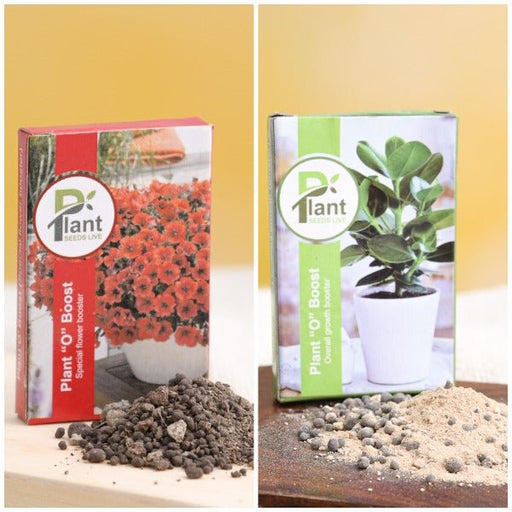
₹199 Plant O Boost — Growth Booster
₹239
Plant O Boost — Growth Booster
₹239 Garden Essential Plant Care Kit
₹599
Garden Essential Plant Care Kit
₹599