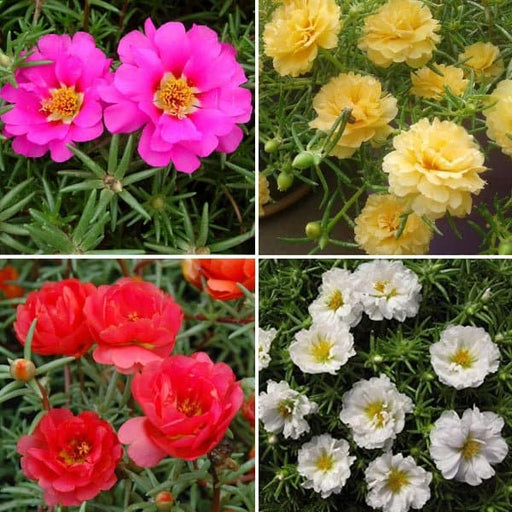
What are the best flowering seeds to sow in February and March in North India?
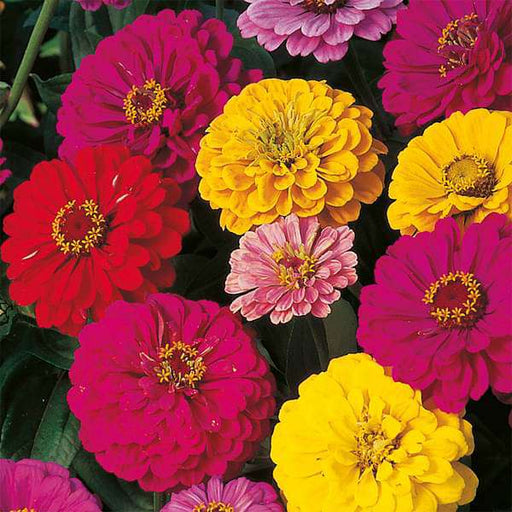
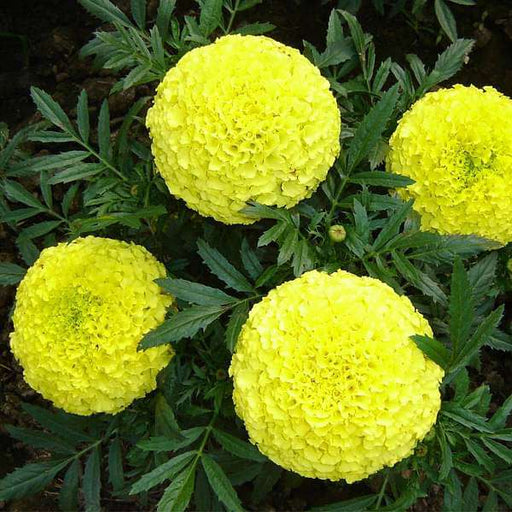
Ah, the golden question! For North India, consider marigolds, zinnias, cosmos, and petunias. These beauties thrive in the mild weather and will have your garden looking like a floral fiesta in no time. Just remember, they love the sun, so give them a sunny spot to strut their stuff!
How do I prepare my soil for sowing flowering seeds?
Soil prep is like a spa day for your garden! Loosen the soil, mix in some compost, and ensure good drainage. Aim for a pH of 6-7 for optimal growth. Your seeds will thank you for the luxurious environment, and soon enough, you’ll have a blooming paradise to show off!
When is the best time to sow these seeds?
Timing is everything, darling! In North India, February and March are prime time for sowing flowering seeds. The weather is just right—warm enough for germination but cool enough to keep those pesky pests at bay. So grab your gardening gloves and get ready to plant some joy!
How often should I water the seeds after sowing?
Watering is an art, not a science! After sowing, keep the soil moist but not soggy—think of it as a gentle shower, not a monsoon. Water every few days, especially if the sun is shining bright. Your seeds will sprout like they’re auditioning for a role in a garden blockbuster!
What kind of sunlight do these flowering seeds need?
Sunlight is the secret ingredient for a blooming garden! Most flowering seeds love full sun, which means at least 6 hours of direct sunlight daily. If your garden is a bit shady, consider planting sunflowers or nasturtiums, which can handle a little shade while still putting on a show!
Can I mix different types of seeds in one bed?
Absolutely! Mixing seeds is like throwing a garden party—everyone brings their unique flair. Just ensure that the plants have similar sunlight and water needs. This way, you’ll create a vibrant tapestry of colors and fragrances that will have your neighbors green with envy!
How long does it take for the seeds to germinate?
Patience, my friend! Most flowering seeds will germinate within 7 to 14 days, depending on the type and conditions. Keep the soil moist and the temperature cozy, and soon you’ll see little green sprouts popping up like they’re saying, “Hello, world!”
What pests should I watch out for while growing these flowers?
Ah, the uninvited guests! Keep an eye out for aphids, caterpillars, and snails—they can be quite the party crashers. Use neem oil or insecticidal soap to send them packing. A little vigilance goes a long way in keeping your floral fiesta pest-free and fabulous!
Can I save seeds from my flowering plants for next year?
You bet! Saving seeds is like keeping a little piece of your garden’s history. Once your flowers have dried, collect the seeds and store them in a cool, dry place. Next year, you’ll have a delightful déjà vu as you watch your garden bloom again!
What are the benefits of growing flowering plants?
Oh, where do I start? Flowering plants beautify your space, attract pollinators, and can even boost your mood! Plus, they’re great for the environment, helping with air quality. So, not only do you get a stunning garden, but you also become a superhero for Mother Nature!
Do I need to fertilize the seeds after sowing?
Fertilizing is like giving your plants a gourmet meal! After sowing, wait until the seedlings are a few inches tall before adding a balanced fertilizer. This will give them the nutrients they need to grow strong and vibrant. Just don’t overdo it—too much fertilizer can be a recipe for disaster!


 Garden Potting Soil Mix (5 kg)
₹299
Garden Potting Soil Mix (5 kg)
₹299 Vermicompost (1 kg, set of 2)
₹179
Vermicompost (1 kg, set of 2)
₹179 Garden Essential Plant Care Kit
₹599
Garden Essential Plant Care Kit
₹599