Skip to content

Wild Asparagus, Shatavari - Plant

Save 26% Save 26%
Original price ₹ 349
Original price ₹ 349 - Original price ₹ 349
Original price ₹ 349
Current price ₹ 259
₹ 259 - ₹ 259
Current price ₹ 259

(MRP Inclusive of all taxes)

Availability:
In stock

Why it’s special?

  • Easy-to-grow medicinal herb
  • Pot-friendly perennial plant
  • Herbal health benefits
  • Terrace and balcony suitable
  • Perennial asparagus variant

Complete your plant care

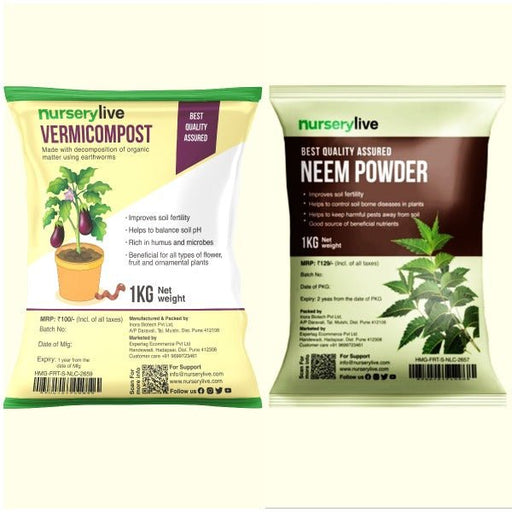
  • White Marble Pebbles (1 kg) ₹199
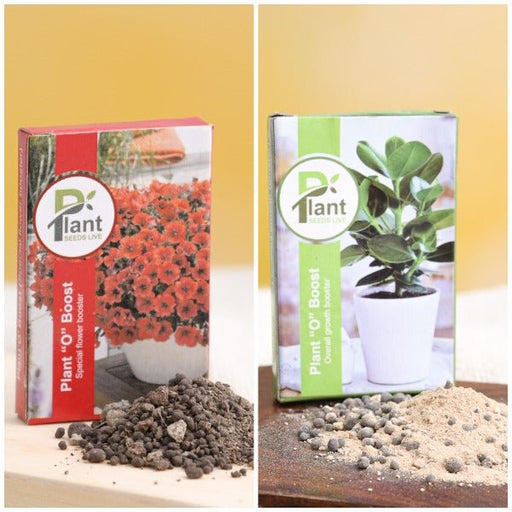
  • Plant O Boost — Growth Booster ₹239
  • Garden Essential Plant Care Kit ₹599

Shipping : ₹79 for the entire order

Country of origin: India

Frequently bought together

Total for 0 selected

Wild Asparagus, Shatavari - Plant

Wild Asparagus, scientifically known as Asparagus racemosus, is a perennial herb renowned for its medicinal properties and culinary uses. This versatile plant is native to the tropical regions of Asia and Africa, where it has been utilized for centuries in traditional medicine. Shatavari, meaning "she who has a hundred husbands," is celebrated for its ability to support women's health, particularly in reproductive and hormonal balance.

What makes Wild Asparagus special is its rich nutrient profile, including vitamins A, C, E, and K, along with essential minerals like calcium, magnesium, and iron. Its adaptogenic properties help the body cope with stress, making it a valuable addition to any herbal garden. This plant not only enhances health but also contributes to biodiversity, supporting local ecosystems.

One of the standout features of Shatavari is its ability to thrive in various soil types and climates, making it an excellent choice for both novice and experienced gardeners. Its delicate, feathery foliage and small white flowers add aesthetic value to any garden, while its roots are the primary source of its medicinal benefits.

Growing Instructions

  • Plant in well-drained soil with a pH of 6.0 to 7.0.
  • Choose a sunny location, as Shatavari thrives in full sunlight.
  • Space plants 12-18 inches apart to allow for growth.
  • Water regularly, ensuring the soil remains moist but not waterlogged.
  • Fertilize with organic compost during the growing season for optimal growth.

Care Instructions

  • Mulch around the base to retain moisture and suppress weeds.
  • Prune dead or yellowing leaves to promote healthy growth.
  • Monitor for pests and diseases; treat organically when necessary.
  • Harvest roots in the fall for medicinal use, allowing the plant to regrow in spring.

Uses

  • Utilized in Ayurvedic medicine for its adaptogenic and rejuvenating properties.
  • Commonly used in herbal teas, tinctures, and supplements.
  • In culinary applications, young shoots can be steamed or sautéed.
  • Supports digestive health and boosts immunity.

Fun Facts

  • Shatavari has been used in traditional Indian medicine for over 2,500 years.
  • The plant can grow up to 1 meter tall and produces small, edible berries.
  • Shatavari is often referred to as the "Queen of Herbs" due to its numerous health benefits.
  • It plays a role in promoting biodiversity, supporting pollinators and local wildlife.

Trending Collections

Wild Asparagus Benefits

If you thought asparagus was just a fancy side dish, think again! Wild asparagus is a nutritional powerhouse packed with vitamins A, C, E, and K. It’s like the superhero of the vegetable world, swooping in to save your health with its antioxidant properties. Plus, it’s low in calories, making it the perfect guilt-free snack. Who knew that something so delicious could also be so good for you?

Shatavari Uses

Shatavari, the queen of herbs, is not just a pretty name. This Ayurvedic wonder is known for its ability to balance hormones and support reproductive health. It’s like having a personal cheerleader for your body’s hormonal balance. Whether you’re looking to boost fertility or just want to feel fabulous, Shatavari has got your back.

Wild Asparagus Recipes

Ready to spice up your culinary game? Wild asparagus can be the star of your next dish! From savory stir-fries to zesty salads, this green delight adds a unique flavor that will impress even the pickiest eaters. Toss it in a pasta dish or grill it for a smoky twist. Your taste buds will thank you, and your dinner guests will be begging for the recipe.

Shatavari for Women

Ladies, gather around! Shatavari is your new best friend. This herb is renowned for its ability to support women's health, particularly during those monthly visits from Aunt Flo. It helps ease menstrual discomfort and promotes overall reproductive wellness. Think of it as a natural ally in your quest for balance and harmony.

Wild Asparagus Identification

Ever wondered how to spot wild asparagus in the wild? It’s easier than you think! Look for tall, feathery stalks with delicate fern-like leaves. They often grow in sunny, open areas, so channel your inner forager and keep your eyes peeled. Just remember, not all green stalks are created equal—make sure you’ve got the right one before you start munching!

Shatavari Supplements

If you’re not ready to dive into the world of herbal teas, Shatavari supplements are here to save the day. These little capsules pack a punch of health benefits without the hassle of brewing. Perfect for busy bees who want to reap the rewards of this magical herb without the fuss. Just pop one and go conquer the world!

Wild Asparagus Season

Timing is everything, especially when it comes to wild asparagus. This seasonal delight typically makes its grand entrance in spring. So, mark your calendars and get ready to forage! The tender shoots are at their peak during this time, offering the best flavor and texture. Don’t miss out on this fleeting opportunity to enjoy nature’s green gift.

Shatavari and Ayurveda

Shatavari is a cornerstone of Ayurvedic medicine, revered for its rejuvenating properties. It’s like the wise sage of the herbal world, offering guidance on how to achieve balance and wellness. Incorporating Shatavari into your routine can help harmonize your body and mind, making it a must-have for anyone looking to embrace holistic health.

Wild Asparagus Nutritional Value

Let’s talk numbers! Wild asparagus is not just a pretty face; it’s also a nutritional heavyweight. With a low calorie count and high fiber content, it’s a dieter’s dream. Plus, it’s rich in vitamins and minerals that support everything from digestion to skin health. Who knew being healthy could taste so good?

Shatavari for Men

Gentlemen, don’t think Shatavari is just for the ladies! This herb can also benefit men by supporting prostate health and boosting vitality. It’s like a secret weapon for those looking to enhance their overall well-being. So, don’t shy away from this herbal gem; it’s time to embrace the power of Shatavari!

Wild Asparagus Foraging Tips

Ready to embark on a wild asparagus adventure? First, familiarize yourself with the terrain—look for sandy or loamy soil where these greens thrive. Bring a basket, and don’t forget to wear sturdy shoes! Foraging is not just about the harvest; it’s about the journey. So, channel your inner explorer and enjoy the thrill of the hunt!

Shatavari Tea

Sip your way to wellness with Shatavari tea! This soothing brew is not only delicious but also packed with health benefits. It’s like a warm hug in a cup, perfect for winding down after a long day. Brew it up, sit back, and let the magic of Shatavari work its wonders on your body and soul.

Save 40% with Gardening Solutions

You may also need

View All

Plant care & growing guide

Shatavari is an easy-to-grow medicinal perennial herb that reaches up to 120 cm. It thrives in partial shade and offers herbal health benefits, with spears harvestable from the second year onward.

Light
Shatavari prefers partial shade and adapts well to dappled sunlight or east-facing positions.
Water
Water moderately and consistently, keeping soil evenly moist but not waterlogged. Reduce watering during cooler months.
Soil & Feeding
Use well-drained soil to prevent root rot. Apply organic fertilizer during the growing season for robust plant development.
Temperature & Humidity
Shatavari thrives in temperatures between 20-30°C, making it well-suited to India's warm months. It tolerates moderate humidity.
Pro Tips
This pot-friendly perennial is ideal for terraces and balconies. Harvest asparagus spears only from the second year onward to ensure long-term plant vigor.

Frequently asked questions

What is Shatavari (Wild Asparagus) valued for medicinally?
Shatavari is a well-known Ayurvedic herb traditionally used to support hormonal balance and women's reproductive health. Its roots are the prized part, harvested and processed in traditional preparations, though the plant itself makes an attractive easy-growing perennial.
Can I grow Wild Asparagus Shatavari in a pot on my balcony?
Yes, it is pot-friendly and does well on terraces and balconies, which suits urban Indian homes. Use a deep container so its tuberous roots have room, with well-draining soil and a spot that gets good sunlight.
How much sunlight does the Shatavari plant need?
Shatavari prefers full to partial sun and grows best outdoors where it gets several hours of light daily. On a balcony, place it where it receives bright morning sun and some protection from the harshest afternoon heat.
How often should I water my Shatavari plant?
Water moderately, keeping the soil lightly moist but never soggy, as its roots can rot in waterlogged soil. Let the top layer dry between waterings and reduce frequency during the monsoon.
Is Shatavari an easy plant for beginners in India?
Yes, it is considered easy to grow and hardy once established, tolerating typical Indian outdoor conditions well. It needs little fuss beyond decent drainage, occasional watering and support for its climbing feathery stems.
Does the Wild Asparagus plant need support to climb?
This perennial produces thin, wiry climbing stems with delicate fern-like foliage that appreciate a trellis or stake. Providing support keeps it tidy on a balcony and shows off its attractive feathery growth.
What soil is best for growing Shatavari at home?
A well-draining sandy loam enriched with compost suits Shatavari best, since its roots dislike heavy waterlogged soil. Mixing garden soil with sand and organic matter in the pot helps the tuberous roots develop well.
How long before Shatavari roots are ready to harvest?
Shatavari is grown for its roots, which typically take a couple of years to mature enough for harvesting. The plant lives on as a perennial, so you can let it establish for a season or two before lifting roots.
How do I care for Shatavari during the Indian monsoon?
During heavy rains ensure the pot drains freely and never lets water collect at the base, as its roots are prone to rot. Move balcony pots under shelter during prolonged downpours if drainage is poor.
Does Shatavari come back every year as a perennial?
Yes, it is a hardy perennial that regrows season after season from its established root system. Top growth may die back in cold or dry spells, but the roots survive and push out fresh shoots when conditions improve.
What fertiliser helps a Shatavari plant thrive?
A light dose of organic compost or vermicompost a couple of times during the growing season is usually enough. Since it is naturally hardy, avoid heavy chemical feeding and focus on rich, well-drained soil.
How can I propagate my Shatavari plant?
Shatavari can be propagated by dividing the tuberous root clumps or by seed. Division of an established plant during the growing season is the quicker route and gives you new plants that establish faster.
Why is my Shatavari plant's foliage turning yellow?
Yellowing feathery foliage often signals overwatering or poor drainage rather than underwatering. Check that the pot drains freely, let the soil dry out a little more between waterings, and ensure it gets enough light.
Is Shatavari suitable for outdoor garden planting?
Yes, it is well-suited to outdoor beds and grows vigorously in the ground where its roots can spread. Give it a sunny, well-drained spot and a support for its climbing stems and it will thrive with minimal care.
What condition will the Shatavari plant arrive in?
NurseryLive delivers a fully-grown, nursery-mature Shatavari plant ready to establish, not a tiny sapling. Repot it into a deep container or garden bed soon after arrival and keep it lightly watered while it settles in.
Fully-Grown Plants

Nursery-mature, not 4-inch saplings

Next-Day Delivery

At your door tomorrow — not a 4–7 day wait

Nursery-Fresh

Ready to flourish, no growing-in

Lowest Prices

Straight from local growers