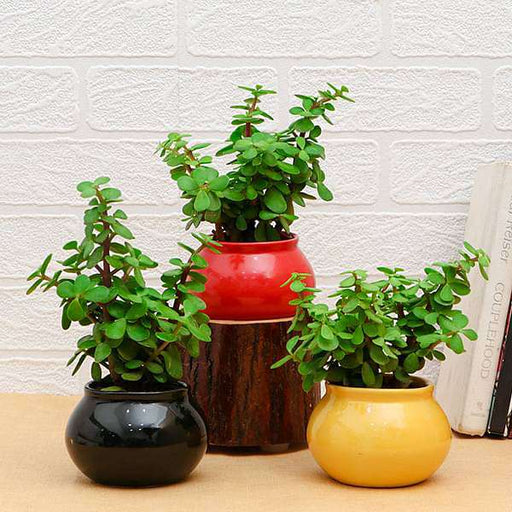
What is Sedum pachyphyllum?
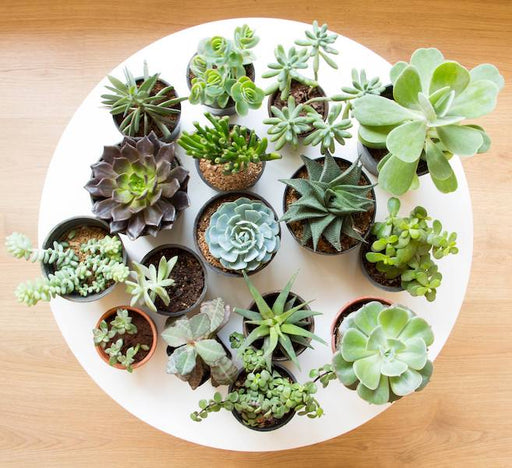
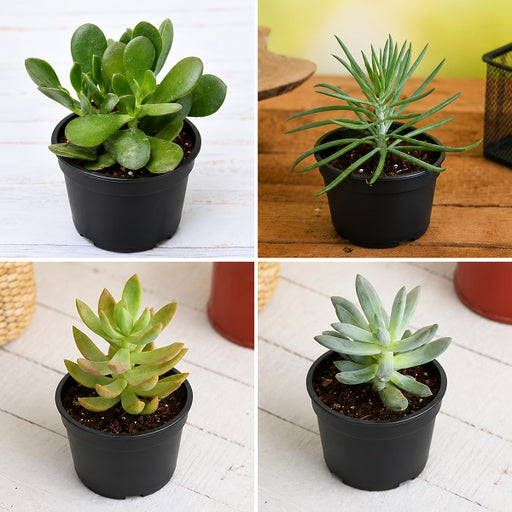
Sedum pachyphyllum, also known as the jelly bean plant, is a succulent that resembles a candy store treat. With its plump, oval leaves and vibrant green color, it’s a delightful addition to any garden. This low-maintenance plant thrives in sunny spots, making it perfect for those who want a touch of whimsy without the fuss.
How do I care for Sedum pachyphyllum?
Caring for Sedum pachyphyllum is as easy as pie—if pie were made of sunshine and minimal water! Place it in well-draining soil and give it a sunny spot. Water sparingly, allowing the soil to dry out between drinks. This succulent thrives on neglect, so feel free to give it the cold shoulder occasionally!
What type of soil is best for Sedum pachyphyllum?
Sedum pachyphyllum loves to kick back in well-draining soil, like a beach bum soaking up the sun. A cactus or succulent mix works wonders, allowing excess water to escape faster than a cat at bath time. Just remember, soggy roots are a no-go for this succulent superstar!
How often should I water Sedum pachyphyllum?
Watering Sedum pachyphyllum is like a game of hide and seek—less is more! Typically, every two to three weeks is sufficient, but always check the soil first. If it’s dry, give it a sip; if it’s still damp, let it be. Overwatering is the ultimate party pooper for this succulent!
Can Sedum pachyphyllum survive indoors?
Absolutely! Sedum pachyphyllum can thrive indoors, provided it gets enough light. Place it near a sunny window, and it’ll be as happy as a clam. Just remember to rotate it occasionally, so it doesn’t grow lopsided, yearning for that sweet, sweet sunlight!
Is Sedum pachyphyllum toxic to pets?
Good news for pet parents! Sedum pachyphyllum is non-toxic to cats and dogs, making it a safe choice for your plant-loving furballs. However, while it won’t harm them, it’s best to keep an eye on curious critters—after all, nobody wants a plant salad for dinner!
What pests affect Sedum pachyphyllum?
Sedum pachyphyllum is generally pest-resistant, but it can occasionally attract mealybugs or aphids. If you spot these uninvited guests, a gentle spray of water or a dab of rubbing alcohol can send them packing. Think of it as a bouncer for your succulent soirée!
How do I propagate Sedum pachyphyllum?
Propagating Sedum pachyphyllum is as easy as pie—again! Simply take a leaf or stem cutting, let it dry for a day, and then plant it in well-draining soil. Water sparingly, and soon you’ll have a mini jelly bean garden to show off to your friends!
What is the ideal temperature for Sedum pachyphyllum?
Sedum pachyphyllum prefers a cozy climate, ideally between 65°F to 75°F. It can handle a bit of chill, but don’t let it freeze—this succulent isn’t a fan of winter wonderlands! Keep it warm and toasty, and it’ll reward you with its plump, happy leaves.
How fast does Sedum pachyphyllum grow?
Sedum pachyphyllum is a slow but steady grower, taking its sweet time to reach its full potential. With the right care, you can expect it to grow a few inches each year. Patience is key, but hey, good things come to those who wait—like a succulent jelly bean!
Can Sedum pachyphyllum bloom?
Yes, indeed! Sedum pachyphyllum can bloom, producing delightful yellow flowers in the summer. While the blooms are charming, many fans prefer the plump leaves that steal the show. Think of the flowers as the cherry on top of this succulent sundae—nice, but not the main attraction!
What are the common uses for Sedum pachyphyllum?
Sedum pachyphyllum is a versatile little gem! It’s perfect for rock gardens, container arrangements, or as a quirky indoor plant. Its unique appearance makes it a favorite for succulent arrangements and terrariums. Plus, it’s a conversation starter—who wouldn’t want to chat about their jelly bean plant?


 White Marble Pebbles (1 kg)
₹199
White Marble Pebbles (1 kg)
₹199 Plant O Boost — Growth Booster
₹239
Plant O Boost — Growth Booster
₹239 Garden Essential Plant Care Kit
₹599
Garden Essential Plant Care Kit
₹599