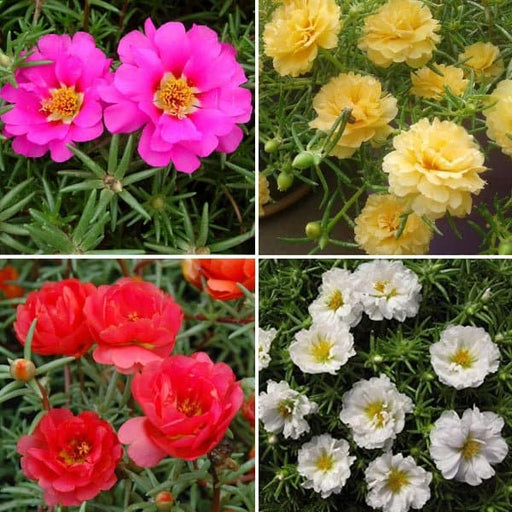
What is Kalanchoe millotii?
Kalanchoe millotii is a charming succulent plant known for its fuzzy, silvery leaves and vibrant yellow flowers. It’s like the cute cousin of the succulent family, bringing a touch of whimsy to your plant collection. Perfect for those who want a low-maintenance yet eye-catching addition to their home!
How do I care for Kalanchoe millotii?
Caring for Kalanchoe millotii is a breeze! Just give it bright, indirect sunlight, water it when the soil is dry, and let it bask in the warmth. Think of it as a sunbather that occasionally needs a drink—easy-peasy, right? Just avoid overwatering, or it might throw a tantrum!
What type of soil is best for Kalanchoe millotii?
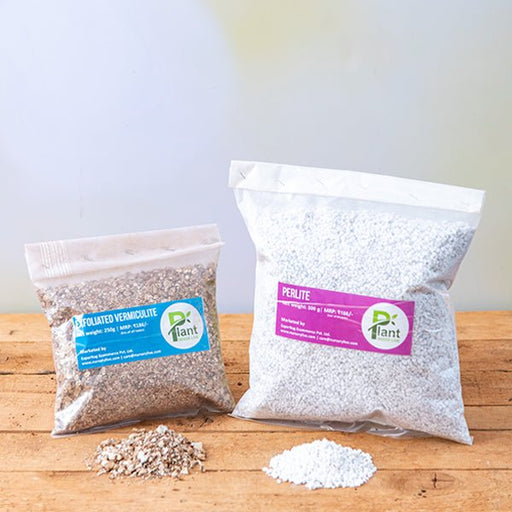
Kalanchoe millotii thrives in well-draining soil, like a succulent-specific mix or a blend of potting soil and sand. It’s like giving your plant a cozy bed that doesn’t get soggy. Remember, soggy soil is a no-go; this plant prefers to keep its roots dry and happy!
How often should I water Kalanchoe millotii?
Water your Kalanchoe millotii every two to three weeks, allowing the soil to dry out completely between waterings. Think of it as a desert vacation—too much water, and it’ll feel like a soggy sponge! Just keep an eye on it, and it’ll thrive like a true desert diva.
Does Kalanchoe millotii need fertilizer?
Kalanchoe millotii doesn’t require much fertilizer, but a light feeding during the growing season can boost its charm. Use a diluted, balanced fertilizer every month or so. It’s like giving your plant a little pick-me-up—just don’t overdo it, or it might get a bit too excited!
Can Kalanchoe millotii be grown indoors?
Absolutely! Kalanchoe millotii is a fantastic indoor plant, thriving in bright, indirect light. It’s like the perfect roommate—low-maintenance and always looking fabulous. Just make sure it has enough light to show off those lovely leaves and flowers, and it’ll be a happy little housemate!
Is Kalanchoe millotii toxic to pets?
Good news for pet lovers! Kalanchoe millotii is considered mildly toxic to pets if ingested. While it’s not a full-blown villain, it’s best to keep it out of reach of curious paws and noses. Better safe than sorry—your furry friends will thank you for it!
How do I propagate Kalanchoe millotii?
Propagating Kalanchoe millotii is as easy as pie! Simply take a leaf or stem cutting, let it dry for a day, and then plant it in well-draining soil. It’s like giving your plant a chance to make mini-me versions of itself. Just be patient, and soon you’ll have a succulent family reunion!
What pests affect Kalanchoe millotii?
Kalanchoe millotii can attract pests like mealybugs and aphids, but don’t worry! A gentle wipe with soapy water or neem oil will send them packing. Think of it as a spa day for your plant—refreshing and pest-free! Keep an eye out, and your succulent will stay fabulous.
Can Kalanchoe millotii survive in low light?
While Kalanchoe millotii prefers bright, indirect light, it can survive in lower light conditions, but don’t expect a flower show. It’s like a party without music—still nice, but not as lively. If you want it to thrive and bloom, give it the light it craves!
When does Kalanchoe millotii bloom?
Kalanchoe millotii typically blooms in late winter to early spring, showcasing its cheerful yellow flowers. It’s like a little sunshine burst in your home! To encourage blooming, ensure it gets enough light and a bit of TLC. Your plant will reward you with a floral fiesta that’s hard to resist!