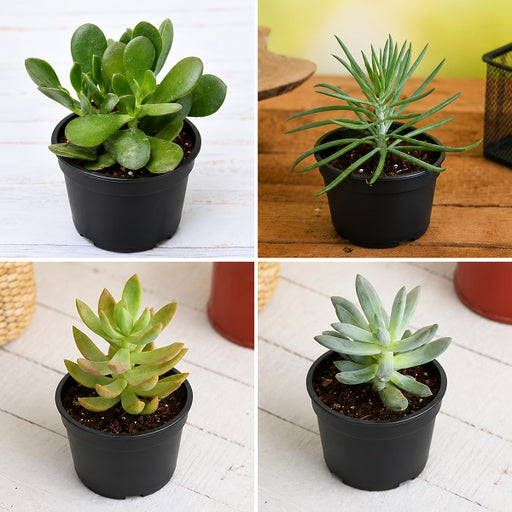
What is a Kalanchoe Flapjack, Poplet (Big) - Succulent Plant?
Ah, the Kalanchoe Flapjack, also known as the Poplet, is a succulent superstar! With its pancake-like leaves that resemble a stack of fluffy flapjacks, this plant is a showstopper. It thrives in sunny spots and is perfect for those who want a low-maintenance green friend that adds a pop of color to any space.
How do I care for my Kalanchoe Flapjack?
Caring for your Kalanchoe Flapjack is as easy as flipping a pancake! Place it in bright, indirect sunlight and water it only when the soil is dry. Avoid soggy situations; this succulent prefers to stay on the dry side. With minimal fuss, it’ll reward you with vibrant leaves and a happy demeanor.
Can Kalanchoe Flapjack survive indoors?
Absolutely! The Kalanchoe Flapjack is an indoor champion. It loves bright light, so a sunny windowsill is its happy place. Just remember to give it a little breathing room and avoid overwatering. With the right conditions, it’ll thrive indoors, bringing a touch of the outdoors right into your living room.
What type of soil is best for Kalanchoe Flapjack?
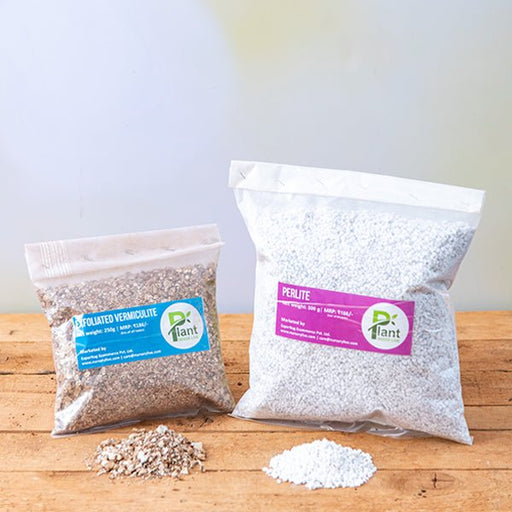
Your Kalanchoe Flapjack craves well-draining soil, like a succulent spa day! A cactus mix or a blend of potting soil with sand or perlite works wonders. This ensures that water flows freely, preventing root rot. Think of it as giving your plant a cozy bed that keeps it comfy and dry.
How often should I water my Kalanchoe Flapjack?
Watering your Kalanchoe Flapjack is like a game of peek-a-boo! Wait until the soil is completely dry before giving it a drink. Typically, this means watering every 2-3 weeks, but it depends on your environment. Remember, less is more; your succulent prefers to be thirsty than soggy!
Does Kalanchoe Flapjack bloom?
Yes, indeed! The Kalanchoe Flapjack can surprise you with delightful blooms, usually in late winter or early spring. Its flowers are small and tubular, adding a splash of color to its already stunning foliage. Just like a surprise party, you never know when it’ll happen, but when it does, it’s a treat!
Is Kalanchoe Flapjack toxic to pets?
Good news for pet parents! The Kalanchoe Flapjack is mildly toxic to pets, so it’s best to keep it out of their reach. While it won’t send them to the vet in a panic, it’s still a good idea to prevent any nibbling. Think of it as a plant that prefers to be admired, not tasted!
Can I propagate my Kalanchoe Flapjack?
Absolutely! Propagating your Kalanchoe Flapjack is as easy as pie—or should we say, flapjack? Simply take a leaf cutting, let it dry for a day or two, then plant it in well-draining soil. With a little patience and love, you’ll have new little flapjacks sprouting in no time!
What pests should I watch for on Kalanchoe Flapjack?
Keep an eye out for pesky pests like mealybugs and aphids, the uninvited guests of the succulent world. If you spot them, a gentle wipe with a damp cloth or a spray of insecticidal soap will send them packing. Your Kalanchoe Flapjack deserves a pest-free zone to thrive!
How big does a Kalanchoe Flapjack get?
The Kalanchoe Flapjack can grow up to 12 inches tall and spread about 18 inches wide, making it a delightful addition to your plant collection. It’s like the perfect pancake—fluffy, round, and just the right size for your windowsill or tabletop. Just remember, it’s a succulent, not a giant!
Can Kalanchoe Flapjack handle direct sunlight?
While the Kalanchoe Flapjack enjoys bright light, direct sunlight can be a bit too much of a good thing. It prefers bright, indirect light to avoid sunburned leaves. Think of it as a sunbather who loves the warmth but needs a little shade to stay fabulous and fresh!
How long does a Kalanchoe Flapjack live?
With proper care, your Kalanchoe Flapjack can live for several years, making it a long-term companion. It’s like the plant version of a loyal friend who sticks around through thick and thin. Just give it the right conditions, and it’ll be your leafy buddy for many seasons to come!


 White Marble Pebbles (1 kg)
₹199
White Marble Pebbles (1 kg)
₹199 Plant O Boost — Growth Booster
₹239
Plant O Boost — Growth Booster
₹239 Garden Essential Plant Care Kit
₹599
Garden Essential Plant Care Kit
₹599