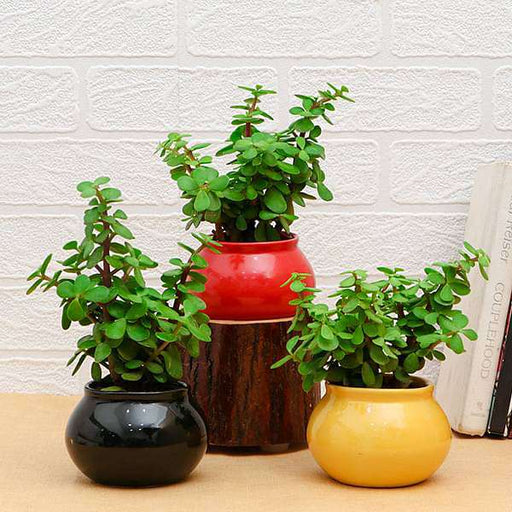
What are Graptosedum species?
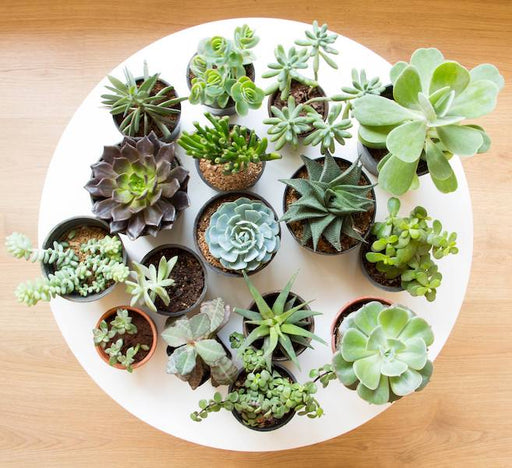
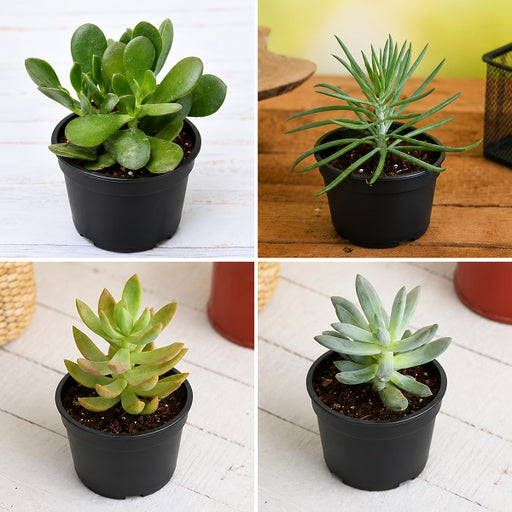
Graptosedum species are charming succulent plants that are a delightful blend of Graptopetalum and Sedum. They flaunt rosettes of fleshy leaves, often in stunning colors. Perfect for those who want to add a touch of whimsy to their plant collection, these beauties are low-maintenance and thrive in bright light. Who wouldn’t want a little succulent magic?
How do I care for Graptosedum species?
Caring for Graptosedum species is as easy as pie! They love bright, indirect sunlight and prefer well-draining soil. Water them when the soil is dry, but don’t drown them—these succulents are not fans of soggy feet. With a little love and attention, they’ll reward you with vibrant growth and a happy, healthy appearance.
What is the ideal soil for Graptosedum species?
Graptosedum species thrive in a well-draining soil mix, ideally designed for succulents. Think of it as their personal spa—light, airy, and free from waterlogging. A blend of potting soil, sand, and perlite works wonders. This ensures their roots stay happy and healthy, avoiding the dreaded root rot. Who knew soil could be so important?
How often should I water Graptosedum species?
Watering Graptosedum species is like a dance—timing is everything! Generally, you should water them every 2-3 weeks, allowing the soil to dry out completely between drinks. In winter, they prefer to sip less. Remember, overwatering is their nemesis, so keep that watering can in check. Your succulents will thank you with their vibrant colors!
Can Graptosedum species survive indoors?
Absolutely! Graptosedum species are the ultimate indoor companions. They thrive in bright, indirect light, making them perfect for windowsills or well-lit rooms. Just ensure they have good airflow and avoid overwatering. With a little TLC, these succulents will flourish indoors, bringing a touch of nature to your cozy space. Who says you can’t have a garden indoors?
What pests affect Graptosedum species?
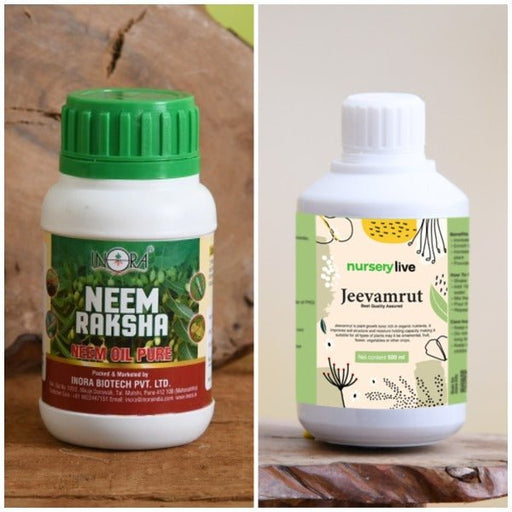
Graptosedum species can occasionally attract pests like mealybugs and aphids, but fear not! A gentle spray of insecticidal soap or neem oil can send them packing. Regularly inspecting your plants helps catch these uninvited guests early. With a little vigilance, your succulents will remain pest-free and fabulous, ready to dazzle anyone who lays eyes on them.
How do I propagate Graptosedum species?
Propagating Graptosedum species is like playing plant matchmaker! Simply take a leaf or stem cutting, let it callous over for a day, and then place it in well-draining soil. Keep it slightly moist and in bright light. In a few weeks, you’ll have adorable new plants to share or keep for yourself. Who doesn’t love free plants?
Are Graptosedum species toxic to pets?
Good news for pet lovers! Graptosedum species are generally considered non-toxic to cats and dogs. However, while they won’t cause harm, it’s best to discourage your furry friends from munching on them. A little nibble might upset their tummies. So, keep your plants safe and your pets happy—everyone wins in this succulent saga!
What are the common varieties of Graptosedum species?
Graptosedum species come in a delightful array of varieties, each with its own charm. Popular ones include 'Ghosty,' with its ghostly pale leaves, and 'California Sunset,' flaunting vibrant hues. Each variety has its unique flair, making it easy to find one that tickles your fancy. Collect them all for a succulent party that’s sure to impress!
How do I repot Graptosedum species?
Repotting Graptosedum species is a breeze! Choose a pot slightly larger than the current one, fill it with fresh, well-draining soil, and gently remove the plant from its old home. Place it in the new pot, ensuring the roots are well-positioned. Water lightly and let it settle in. Voila! Your succulent is ready for its new digs.
What is the growth rate of Graptosedum species?
Graptosedum species are like the tortoises of the succulent world—steady and charming! They grow at a moderate pace, typically adding a few inches each year. With the right care, they’ll reward you with lovely rosettes and vibrant colors. Patience is key, but the wait is worth it when you see them flourish in your collection!
Can Graptosedum species tolerate cold temperatures?
Graptosedum species are not fans of the cold! They prefer temperatures above 50°F (10°C) and can suffer if exposed to frost. If you live in a chilly area, bring them indoors during winter or provide protection. Keep them cozy, and they’ll continue to thrive, bringing warmth and color to your home, even when it’s frosty outside!


 White Marble Pebbles (1 kg)
₹199
White Marble Pebbles (1 kg)
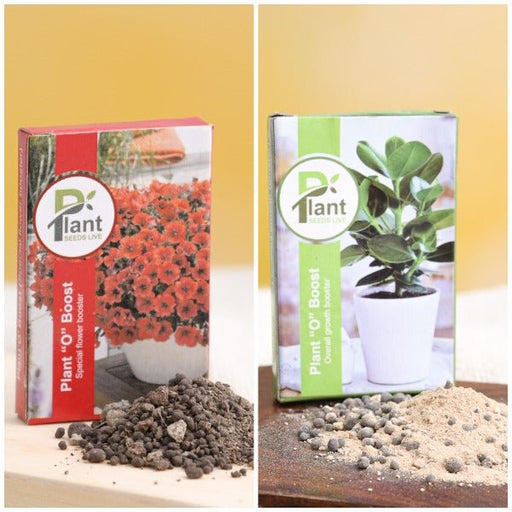
₹199 Plant O Boost — Growth Booster
₹239
Plant O Boost — Growth Booster
₹239 Garden Essential Plant Care Kit
₹599
Garden Essential Plant Care Kit
₹599