What is Echeveria Perle Von Nurnberg?
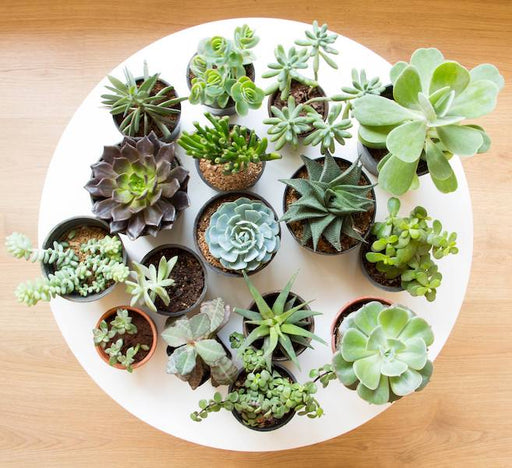
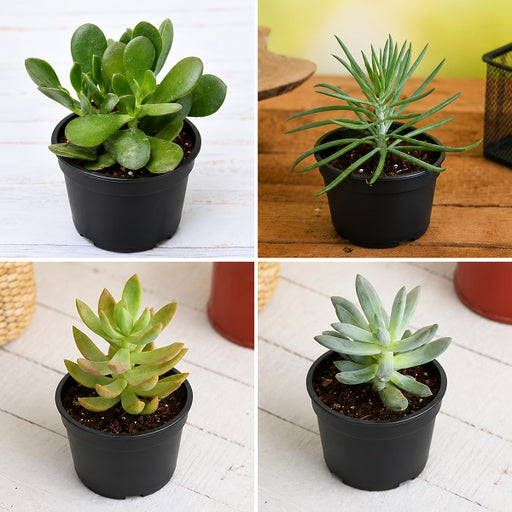
Echeveria Perle Von Nurnberg is a stunning succulent plant known for its rosette shape and pastel hues. This beauty flaunts lavender-pink leaves that seem to whisper, "Look at me!" Perfect for beginners, it thrives on neglect, making it the diva of the succulent world. Just don’t forget to water it occasionally, or it might throw a tantrum!
How do I care for Echeveria Perle Von Nurnberg?
Caring for Echeveria Perle Von Nurnberg is like pampering a celebrity. Provide bright, indirect sunlight, and let the soil dry out between waterings. Use well-draining soil, and don’t drown it—this diva prefers a light misting over a soaking bath. Remember, too much love (water) can lead to root rot, and nobody wants that drama!
What type of soil is best for Echeveria Perle Von Nurnberg?
Echeveria Perle Von Nurnberg craves well-draining soil, like a celebrity craving a spa day. A cactus or succulent mix works wonders, allowing excess water to escape faster than a paparazzi at a bad photo op. You can also mix regular potting soil with sand or perlite to create the perfect luxurious habitat for your succulent star.
How often should I water Echeveria Perle Von Nurnberg?
Watering Echeveria Perle Von Nurnberg is a delicate dance. Generally, every 1-2 weeks is ideal, but let the soil dry out completely between drinks. Think of it as a refreshing cocktail—too much can lead to a hangover (root rot). In winter, cut back on watering, as this succulent prefers to hibernate like a true diva.
Can Echeveria Perle Von Nurnberg survive indoors?
Absolutely! Echeveria Perle Von Nurnberg is the ultimate indoor diva, thriving in bright, indirect light. Just ensure it gets enough sunshine to keep its colors vibrant. If it starts stretching towards the light, it’s time to reposition it. With the right care, it’ll be the star of your indoor garden, stealing the spotlight from all other plants!
What pests should I watch for with Echeveria Perle Von Nurnberg?
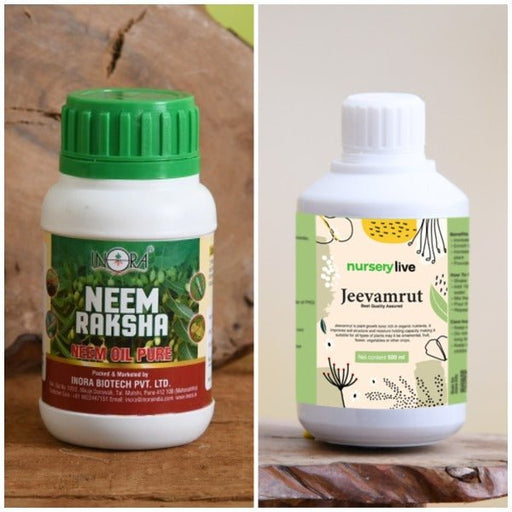
Echeveria Perle Von Nurnberg can attract pests like mealybugs and aphids, the uninvited guests of the succulent party. Keep an eye out for cottony fluff or sticky residue. If they crash the party, a gentle wipe with soapy water or neem oil will send them packing. Remember, no one likes a pest at their succulent soirée!
How do I propagate Echeveria Perle Von Nurnberg?
Propagating Echeveria Perle Von Nurnberg is like creating mini-celebrities! Simply take a leaf or offset, let it callous for a day, then place it on well-draining soil. Water sparingly until roots form, and voilà! You’ve got yourself a new succulent star. Just remember, patience is key—great things take time, even in the plant world!
Is Echeveria Perle Von Nurnberg toxic to pets?
Good news for pet parents! Echeveria Perle Von Nurnberg is non-toxic to cats and dogs, making it a safe addition to your home. However, while it won’t harm your furry friends, it’s still best to discourage them from munching on your succulent star. After all, nobody wants a pet with a taste for the finer things in life!
What temperature is ideal for Echeveria Perle Von Nurnberg?
Echeveria Perle Von Nurnberg loves a warm climate, thriving best between 65°F to 80°F. It’s like a sunbather on a tropical vacation! Just keep it away from frost, as it’s not a fan of chilly weather. If temperatures drop, bring it indoors to keep this succulent diva cozy and happy, ready to dazzle you year-round.
Can Echeveria Perle Von Nurnberg bloom?
Yes, Echeveria Perle Von Nurnberg can bloom, and when it does, it’s like a red carpet event! It produces tall flower stalks adorned with vibrant coral-pink flowers. However, blooming can drain energy, so don’t be surprised if your succulent takes a little break afterward. Just like any star, it needs time to recharge after the spotlight!
How long does Echeveria Perle Von Nurnberg live?
With proper care, Echeveria Perle Von Nurnberg can live for several years, making it a long-term companion. Think of it as a friendship that ages like fine wine—better with time! Just keep it happy with the right light, water, and soil, and it’ll continue to grace your space with its stunning presence for years to come.


 White Marble Pebbles (1 kg)
₹199
White Marble Pebbles (1 kg)
₹199 Plant O Boost — Growth Booster
₹239
Plant O Boost — Growth Booster
₹239 Garden Essential Plant Care Kit
₹599
Garden Essential Plant Care Kit
₹599