What is Echeveria Blue?
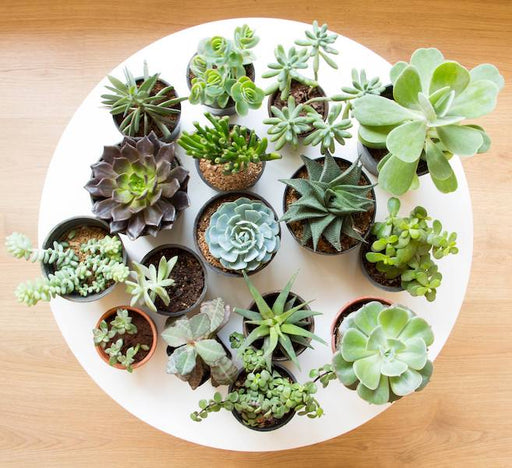
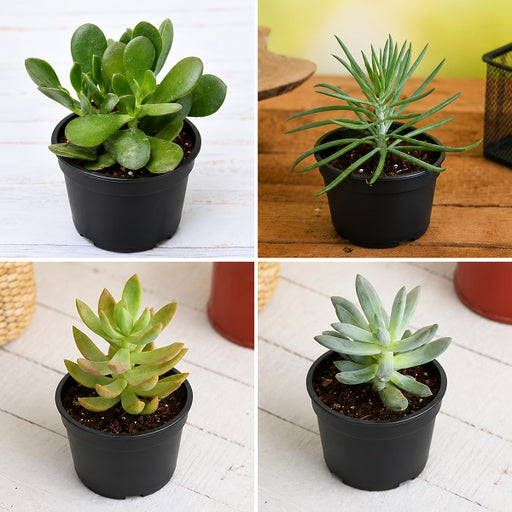
Echeveria Blue is a stunning succulent known for its rosette shape and powdery blue leaves. It’s like the cool kid of the succulent world, effortlessly charming everyone with its unique color and low-maintenance personality. Perfect for beginners, it thrives in bright light and adds a pop of color to any space.
How do I care for Echeveria Blue?
Caring for Echeveria Blue is as easy as pie! Just give it bright, indirect sunlight, water it when the soil is dry, and let it bask in the glory of well-draining soil. Avoid overwatering, or it might just sulk and drop its leaves. Treat it right, and it’ll thrive like a superstar!
What is Echeveria Blue Elf?
Echeveria Blue Elf is the charming cousin of Echeveria Blue, sporting a delightful mix of blue and pink hues. This succulent is like a sunset captured in a plant! It’s compact, easy to care for, and perfect for adding a splash of color to your succulent collection. Who wouldn’t want this beauty around?
How often should I water Echeveria Blue?
Water Echeveria Blue when the soil is completely dry, usually every 1-2 weeks. Think of it as a thirsty friend who only wants a drink when they’re parched. Overwatering is a no-no, so let it dry out between drinks. Your succulent will thank you with vibrant leaves and a happy dance!
Can Echeveria Blue survive indoors?
Absolutely! Echeveria Blue is an indoor superstar, thriving in bright, indirect light. Just place it near a sunny window, and it’ll be as happy as a clam. Remember to rotate it occasionally for even sun exposure, and it’ll grow like it’s on a mission to take over your living room!
What pests affect Echeveria Blue?
Echeveria Blue can attract pesky pests like mealybugs and aphids. Think of them as uninvited party crashers! To evict them, simply wipe the leaves with a damp cloth or use insecticidal soap. Keep an eye out, and your succulent will remain the belle of the ball, free from unwanted guests.
Is Echeveria Blue toxic to pets?
Good news for pet lovers! Echeveria Blue is non-toxic to cats and dogs. So, if your furry friend decides to take a nibble, you won’t have to panic. However, it’s still best to discourage them from munching on your plants, as they might not appreciate the taste of succulent leaves!
What type of soil is best for Echeveria Blue?
Echeveria Blue loves well-draining soil, like a cactus mix or a homemade blend of potting soil and sand. Think of it as the perfect beach vacation for your plant—no soggy feet allowed! This ensures proper drainage and keeps your succulent happy and healthy, ready to show off its stunning leaves.
How do I propagate Echeveria Blue?
Propagating Echeveria Blue is like playing plant matchmaker! Simply take a leaf cutting, let it dry for a day, and then place it on well-draining soil. Water sparingly until roots form, and soon you’ll have a mini Echeveria Blue army ready to take over your home. It’s a succulent love story!
Can Echeveria Blue handle direct sunlight?
Echeveria Blue prefers bright, indirect sunlight but can tolerate some direct sun. Think of it as a sunbather who enjoys a little tan but doesn’t want to get burned! Too much direct sunlight can scorch its lovely leaves, so find that sweet spot for optimal growth and color.
What temperature is ideal for Echeveria Blue?
Echeveria Blue thrives in temperatures between 65°F and 80°F. It’s like the Goldilocks of succulents—not too hot, not too cold, but just right! Protect it from frost and extreme heat, and it’ll reward you with vibrant colors and a happy, healthy life. Your succulent will be living the dream!