What is Echeveria big lotus?
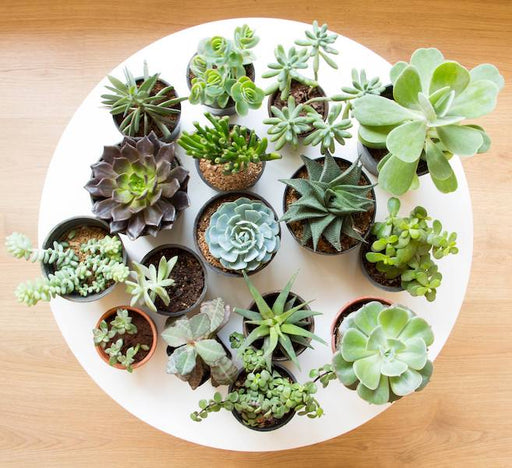
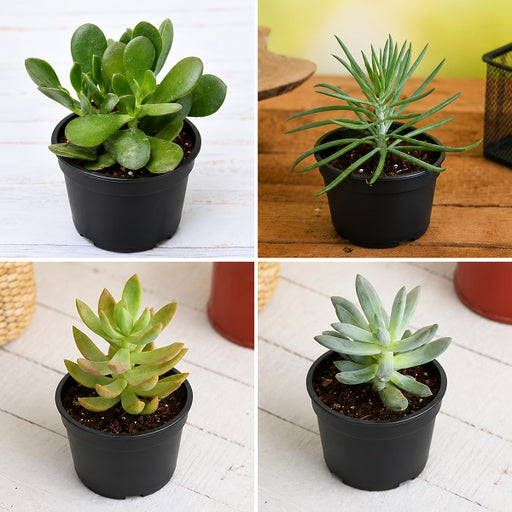
Echeveria big lotus is a succulent superstar known for its stunning rosette shape and plump leaves. This beauty thrives in bright light and adds a touch of elegance to any plant collection. With its vibrant colors, it’s like the diva of the succulent world, demanding attention without saying a word.
How do I care for Echeveria mazarine?
Caring for Echeveria mazarine is a breeze! Just give it plenty of sunlight, well-draining soil, and a sprinkle of water when the soil dries out. Think of it as a low-maintenance friend who only needs a little love to thrive. Avoid overwatering, or it might just sulk and drop its leaves!
What’s the ideal light for Echeveria big lotus?
Echeveria big lotus loves basking in bright, indirect sunlight. Think of it as a sunbather on a tropical vacation! Too much direct sun can scorch its lovely leaves, while too little light can make it stretch for the sun like a cat. Balance is key for this succulent superstar!
How often should I water Echeveria mazarine?
Water Echeveria mazarine when the top inch of soil feels dry, usually every 1-2 weeks. It’s like giving your plant a refreshing drink after a long day. Just remember, it prefers to be a little thirsty rather than drowning in water. Overwatering is the ultimate party pooper for succulents!
Can Echeveria big lotus survive indoors?
Absolutely! Echeveria big lotus can thrive indoors as long as it gets enough bright light. Place it near a sunny window, and it’ll be as happy as a clam. Just keep an eye on the watering; indoor humidity can be tricky. Your succulent will thank you with vibrant colors and growth!
What pests should I watch for on Echeveria mazarine?
Echeveria mazarine can attract pesky pests like mealybugs and aphids. Keep an eye out for these uninvited guests! If they crash the party, a gentle wipe with a damp cloth or a spray of insecticidal soap will send them packing. Your succulent deserves a pest-free zone to shine!
Is Echeveria big lotus toxic to pets?
Good news for pet parents! Echeveria big lotus is non-toxic to cats and dogs. So, if your furry friend decides to take a nibble, you won’t have to panic. However, it’s always best to discourage them from munching on your plants. After all, this succulent is a diva, not a salad!
How do I propagate Echeveria mazarine?
Propagating Echeveria mazarine is as easy as pie! Simply take a leaf cutting, let it callous for a day, and then plant it in well-draining soil. Water sparingly until roots develop. Soon, you’ll have a mini army of succulents ready to take over your plant kingdom. It’s like cloning, but way more fun!
What soil is best for Echeveria big lotus?
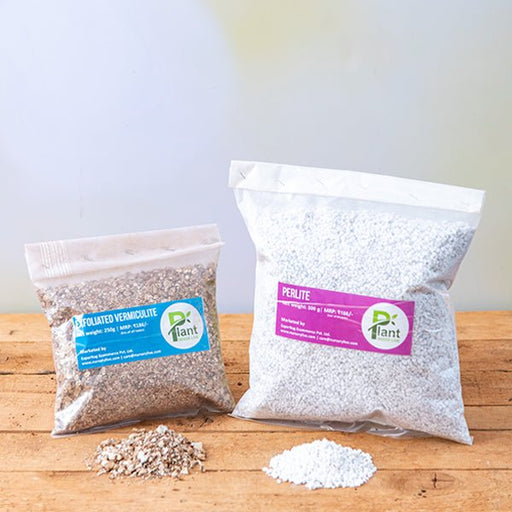
Echeveria big lotus thrives in well-draining soil, ideally a cactus or succulent mix. Think of it as a luxury hotel for your plant—plenty of drainage and no soggy bottoms! You can also mix in some perlite or sand for extra drainage. Your succulent will be living its best life in no time!
How big does Echeveria mazarine get?
Echeveria mazarine typically grows to about 6-8 inches in diameter, making it a perfect tabletop companion. It’s like the Goldilocks of succulents—not too big, not too small, just right! With proper care, it can also produce lovely offsets, giving you more reasons to show off your succulent collection.
Can Echeveria big lotus bloom?
Yes, Echeveria big lotus can bloom, producing stunning flowers on tall stalks! These blooms are like the cherry on top of your succulent sundae. However, it may take a few years to reach flowering age, so patience is key. When it finally does, you’ll be rewarded with a spectacular floral display!
What temperature is ideal for Echeveria mazarine?
Echeveria mazarine prefers temperatures between 65°F and 80°F. It’s like the Goldilocks zone for succulents—not too hot, not too cold! Protect it from frost and extreme heat, as it can be a bit of a diva when it comes to temperature. Keep it cozy, and it’ll thrive like a champ!


 White Marble Pebbles (1 kg)
₹199
White Marble Pebbles (1 kg)
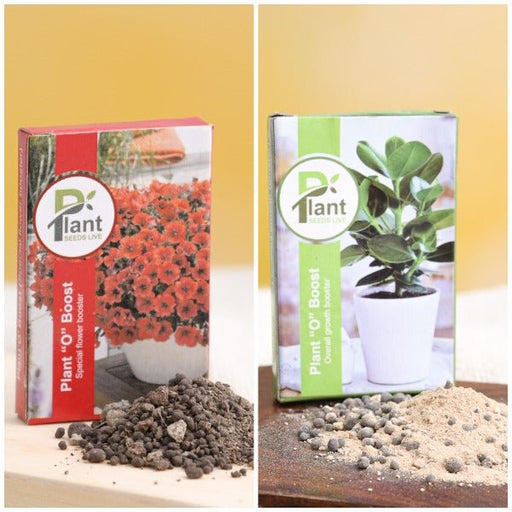
₹199 Plant O Boost — Growth Booster
₹239
Plant O Boost — Growth Booster
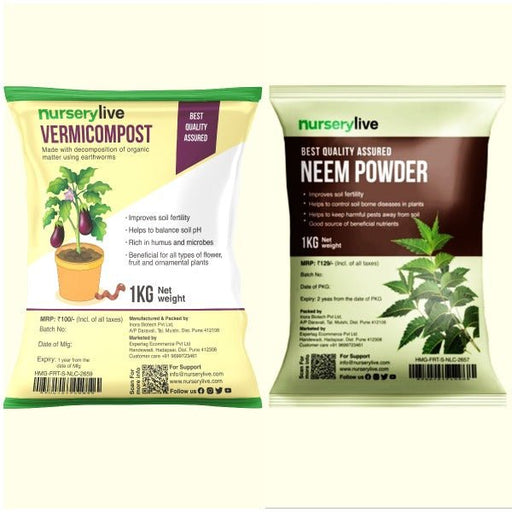
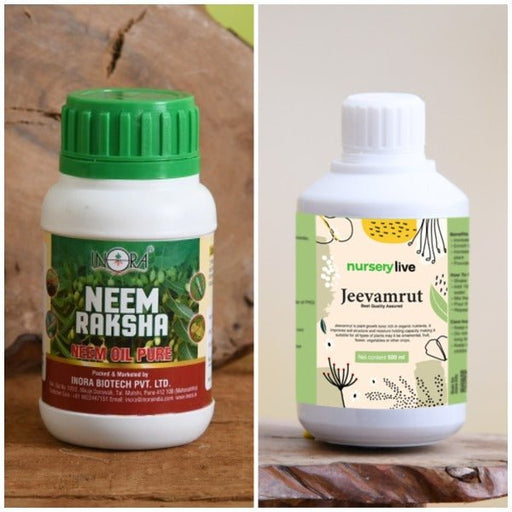
₹239 Garden Essential Plant Care Kit
₹599
Garden Essential Plant Care Kit
₹599