What is a Cycas Plant, Sago Palm, Cycas revoluta?
Ah, the Cycas Plant, also known as Sago Palm, is not a true palm but a cycad! This ancient beauty boasts feathery leaves and a stout trunk, making it a living fossil. Perfect for adding a touch of prehistoric charm to your garden, it’s like having a dinosaur in your backyard—minus the roaring!
How do I care for my Sago Palm?
Caring for your Sago Palm is like pampering a diva! It loves bright, indirect sunlight and well-draining soil. Water it when the top inch of soil is dry, but don’t drown it—this isn’t a swimming pool! Fertilize during the growing season, and watch it strut its stuff like the star it is!
Is the Sago Palm toxic to pets?
Yes, the Sago Palm is a sneaky little villain! All parts of the plant are toxic to pets, especially the seeds. If your furry friend decides to munch on it, they might experience some serious tummy troubles. So, keep this botanical beauty out of paw’s reach, or you might end up with a very unhappy pet!
Can I grow Cycas revoluta indoors?
Absolutely! The Cycas revoluta is a fabulous indoor companion. Just ensure it gets plenty of bright, indirect light and a cozy spot away from drafts. It’s like having a tropical vacation in your living room—minus the sand and surf. Just remember, it prefers to be on the dry side, so don’t overwater!
How often should I water my Cycas Plant?
Watering your Cycas Plant is a delicate dance! Generally, you should water it every 1-2 weeks, allowing the top inch of soil to dry out between drinks. Think of it as a spa day—too much water, and it’ll feel like it’s drowning! Keep it hydrated but not soggy, and it’ll thrive like a superstar!
What type of soil is best for Sago Palm?
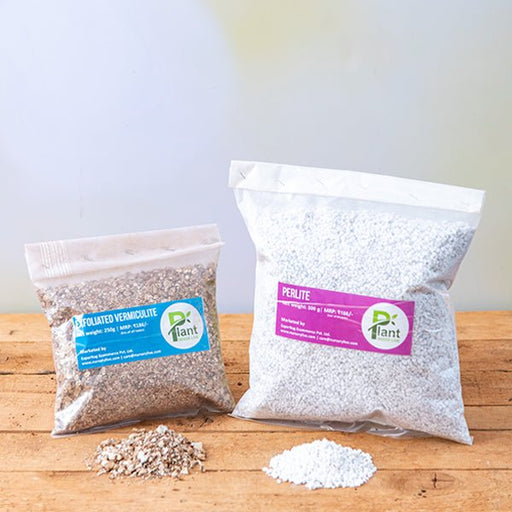
Sago Palms are picky about their soil, but not too picky! They prefer well-draining soil, like a mix of potting soil and sand or perlite. Think of it as their personal beach—loose, airy, and fabulous! This helps prevent root rot, which is the ultimate party pooper for your plant.
How fast does Cycas revoluta grow?
Patience is a virtue with Cycas revoluta! This slowpoke typically grows about 3-5 inches a year. It’s not in a hurry to become a giant, but that’s part of its charm. Think of it as a fine wine—aging gracefully and becoming more beautiful with time. Just give it love, and it’ll reward you!
Can I propagate my Sago Palm?
Propagation of Sago Palm is like a treasure hunt! You can do it through seeds or offsets, but it requires a bit of finesse. Seeds can take ages to germinate, while offsets are quicker and easier. Just remember, patience is key—this isn’t a fast-food plant, but a gourmet experience!
What pests should I watch for on my Cycas Plant?
Your Cycas Plant can attract some uninvited guests, like scale insects and mealybugs. These little critters love to munch on its leaves, but fear not! A gentle wipe with soapy water or insecticidal soap can send them packing. Keep an eye out, and your plant will remain the belle of the botanical ball!
Is Cycas revoluta suitable for outdoor planting?
Yes, Cycas revoluta is a fabulous outdoor plant, especially in warm climates! It loves full sun and can handle a bit of drought. Just make sure it’s in well-draining soil, and it’ll thrive like a beachgoer soaking up the sun. Just be cautious of frost—this diva doesn’t like the cold!
How long can a Sago Palm live?
Sago Palms are the Methuselahs of the plant world, living up to 200 years! With the right care, they can outlive you and your great-grandchildren. They’re like the wise old sages of the garden, offering timeless beauty and a touch of history. So, plant one, and you’ll have a lifelong companion!
What are the common uses for Cycas revoluta?
The Cycas revoluta is not just a pretty face! It’s often used as an ornamental plant in gardens and landscapes, adding a tropical flair. Additionally, its seeds have been used in traditional cuisine (after proper processing, of course). Just remember, it’s more for looks than lunch—leave the cooking to the chefs!


 White Marble Pebbles (1 kg)
₹199
White Marble Pebbles (1 kg)
₹199 Plant O Boost — Growth Booster
₹239
Plant O Boost — Growth Booster
₹239 Garden Essential Plant Care Kit
₹599
Garden Essential Plant Care Kit
₹599