Skip to content

Rubber Tree, Rubber Plant, Ficus elastica - Plant

Save 17% Save 17%
Original price ₹ 479
Original price ₹ 479 - Original price ₹ 479
Original price ₹ 479
Current price ₹ 399
₹ 399 - ₹ 399
Current price ₹ 399

(MRP Inclusive of all taxes)

Availability:
In stock

Why it’s special?

  • Absorbs CO2 at night
  • Grows in containers easily
  • Drought tolerant, low water
  • Lucky plant, easy care
  • Thrives indoors and outdoors

Complete your plant care

  • White Marble Pebbles (1 kg) ₹199
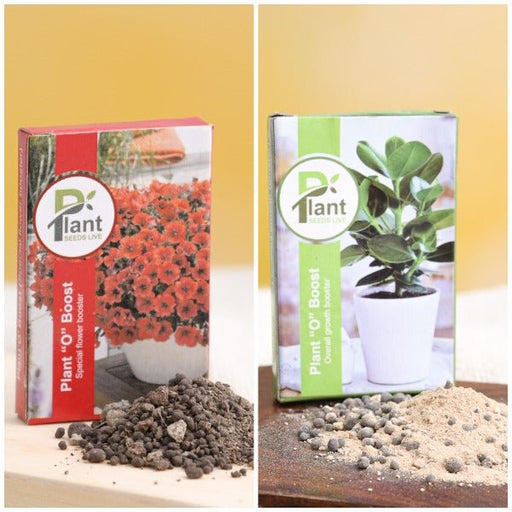
  • Plant O Boost — Growth Booster ₹239
  • Garden Essential Plant Care Kit ₹599

Shipping : ₹79 for the entire order

Country of origin: India

Frequently bought together

Total for 0 selected

Rubber Tree, Rubber Plant, Ficus elastica

The Rubber Tree, scientifically known as Ficus elastica, is a stunning indoor plant renowned for its glossy, dark green leaves and impressive height. Native to Southeast Asia, this hardy plant can grow up to 100 feet in its natural habitat, but typically reaches 6 to 10 feet indoors. Its air-purifying qualities make it a popular choice for homes and offices, contributing to a healthier indoor environment.

What makes the Rubber Plant special is its ability to adapt to various light conditions, making it suitable for both bright and low-light spaces. Additionally, it has a rich history; once a source of natural rubber, it has transitioned into a beloved ornamental plant. Its striking foliage and ease of care make it a favorite among plant enthusiasts.

One of the standout features of the Ficus elastica is its resilience. This plant can thrive in a range of humidity levels and is relatively pest-resistant, making it an ideal choice for both novice and experienced gardeners. Its lush appearance adds a touch of elegance to any room, enhancing your interior decor.

Growing Instructions:

  • Plant in well-draining potting soil.
  • Choose a pot with drainage holes to prevent root rot.
  • Place in bright, indirect sunlight for optimal growth.
  • Maintain a temperature between 60°F to 75°F (15°C to 24°C).

Care Instructions:

  • Water when the top inch of soil feels dry.
  • Fertilize every 4-6 weeks during the growing season (spring and summer).
  • Dust leaves regularly to keep them clean and enhance photosynthesis.
  • Prune as needed to maintain shape and encourage bushier growth.

Uses:

  • Enhances indoor air quality by filtering toxins.
  • Serves as a decorative element in homes and offices.
  • Can be used in feng shui practices to promote positive energy.

Fun Facts:

  • The Rubber Plant can produce latex, which was historically used for rubber production.
  • It is known for its ability to grow in various environments, from tropical rainforests to urban settings.
  • Ficus elastica is often associated with good luck and prosperity in many cultures.

Environmental Impact:

As a natural air purifier, the Rubber Plant helps to remove harmful pollutants from the air, contributing to a healthier living space. Its ability to thrive in various conditions makes it a sustainable choice for indoor gardening, promoting biodiversity and enhancing indoor ecosystems.

Trending Collections

Rubber Tree Care

If you think caring for a Rubber Tree is as easy as pie, think again! These leafy wonders require a bit of TLC. They thrive in bright, indirect sunlight and prefer their soil to dry out between waterings. Overwatering is their nemesis, so channel your inner Goldilocks and find that perfect balance. With a little love, your Ficus elastica will reward you with lush, glossy leaves that scream, "Look at me, I’m fabulous!"

Rubber Plant Benefits

Who knew that a plant could be a multitasking superstar? The Rubber Plant not only beautifies your space but also purifies the air, making it a natural air freshener. It’s like having a personal assistant that doesn’t complain! Plus, its ability to adapt to various light conditions means it’s the perfect roommate—no need to worry about it throwing tantrums if you forget to water it once in a while.

Ficus Elastica Varieties

The Ficus elastica family is like a celebrity clan, each member flaunting its unique style. From the classic dark green leaves to the trendy variegated versions, there’s a Rubber Plant for every aesthetic. Whether you’re into the chic ‘Burgundy’ or the eye-catching ‘Tineke,’ these plants are sure to elevate your decor game. Just remember, with great beauty comes great responsibility—keep them happy, and they’ll keep your home looking fabulous!

Rubber Tree Propagation

Want to expand your Rubber Tree empire? Propagation is the name of the game! Snip a healthy stem, pop it in water or soil, and watch as it roots itself into your heart (and your home). It’s like giving birth to a mini version of your beloved plant. Just be patient; good things come to those who wait. Soon enough, you’ll have a whole forest of Ficus elastica to show off to your friends!

Rubber Plant Pests

Ah, the dreaded pest invasion! Rubber Plants can attract unwelcome guests like spider mites and mealybugs. But fear not! A little soapy water or neem oil can send those critters packing. Think of it as a plant spa day—your Rubber Tree will emerge refreshed and pest-free, ready to take on the world. Just keep an eye out; these pests can be sneaky, like that one friend who always “borrows” your favorite sweater.

Indoor Rubber Tree

The indoor Rubber Tree is the ultimate home decor accessory. With its striking foliage and easy-going nature, it’s like the cool kid in school who everyone wants to befriend. It fits perfectly in any room, adding a touch of greenery without demanding too much attention. Just make sure it gets enough light, and it’ll thrive, making your indoor space feel like a tropical paradise—minus the humidity!

Rubber Plant Light Requirements

Lighting is crucial for your Rubber Plant’s happiness. Think of it as the plant’s version of a sunbathing session. It loves bright, indirect light but can tolerate lower light conditions—like that friend who’s always down for a Netflix binge. Just avoid direct sunlight, which can scorch those beautiful leaves. Find the sweet spot, and your Ficus elastica will flourish, basking in its glory like a true diva.

Rubber Tree Soil

The right soil is like a cozy bed for your Rubber Tree. It craves well-draining soil that allows its roots to breathe. A mix of potting soil, perlite, and peat moss is the perfect recipe for success. Think of it as a luxurious spa treatment for your plant. With the right soil, your Rubber Plant will grow strong and healthy, ready to show off its stunning foliage to all who enter your home.

Ficus Elastica Growth Rate

If you’re looking for a fast-growing companion, the Ficus elastica is your go-to! This plant can grow several feet a year under the right conditions, making it the overachiever of the plant world. Just provide it with adequate light and water, and watch it stretch toward the sky like it’s auditioning for a role in a botanical blockbuster. Just be prepared for some serious pruning sessions to keep it in check!

Rubber Tree Repotting

Repotting your Rubber Tree is like giving it a new apartment—sometimes, it just needs more space to thrive! Aim to repot every couple of years or when it outgrows its current home. Choose a pot that’s one size larger, and fill it with fresh soil to give your plant a fresh start. It’s a win-win: your Rubber Plant gets a new pad, and you get to show off your plant-parenting skills!

Rubber Plant Toxicity

While your Rubber Plant may look like a friendly green buddy, it’s important to know it has a secret: it’s mildly toxic to pets and humans if ingested. So, if you have curious cats or dogs, keep this beauty out of their reach. Think of it as a plant with a mysterious edge—beautiful but a little dangerous. Just like that one friend who always has the wildest stories to tell!

Rubber Tree History

The Rubber Tree has a fascinating backstory that’s more exciting than a soap opera! Native to Southeast Asia, it was once the star of the rubber industry, providing latex for everything from tires to shoes. Today, it’s a beloved houseplant, charming its way into homes worldwide. So, when you admire your Ficus elastica, remember it’s not just a pretty face; it’s got a rich history that adds to its allure!

Save 40% with Gardening Solutions

You may also need

View All

Plant care & growing guide

A resilient indoor or outdoor plant that purifies air and adapts well to container growing, perfect for Indian homes.

Light
Needs bright, indirect light away from intense direct heat. Place near a window where it receives filtered light to prevent leaf damage.
Water
Water only when the soil is completely dry, as the plant is susceptible to root rot from overwatering. This drought tolerance makes it ideal for occasional waterers.
Soil & Feeding
Plant in light, well-drained compost. Apply a balanced liquid fertilizer monthly during spring and summer for steady growth.
Temperature & Humidity
Prefers cooler nights (60-65°F) and daytime temperatures around 85°F. Protect from temperature extremes for best results.
Common Problems
Overwatering leads to rot—the main issue with this species. Ensure pots have drainage holes and let soil dry between waterings.
Pro Tips
This lucky plant absorbs CO2 at night and grows easily in containers. It thrives both indoors and outdoors, making it versatile for any space.

Frequently asked questions

What is a Rubber Tree, Rubber Plant, Ficus elastica?
Ah, the Rubber Tree, also known as Ficus elastica, is a popular houseplant with glossy leaves that can make any room feel like a tropical paradise. It’s not just a pretty face; it’s also known for its air-purifying abilities. Who knew a plant could be both stylish and functional?
How do I care for my Rubber Plant?
Caring for your Rubber Plant is like nurturing a diva. It loves bright, indirect light and prefers to dry out between waterings. Keep it warm and avoid drafts, or it might throw a tantrum. Remember, a happy Rubber Plant is a thriving Rubber Plant, so shower it with love (and occasional fertilizer)!
Why are the leaves of my Rubber Plant turning yellow?
Yellowing leaves on your Rubber Plant? It’s either a sign of overwatering or a cry for more light. Check the soil moisture and adjust your watering schedule. If it’s too dark, move it to a sunnier spot. Your plant is just trying to tell you it’s not a fan of the gloomy vibes!
How often should I water my Rubber Tree?
Watering your Rubber Tree is like dating; it requires balance. Generally, water when the top inch of soil feels dry. In winter, it’s more of a casual fling—less frequent. Overwatering can lead to root rot, and nobody wants that drama. Keep it hydrated, but don’t drown it in your affection!
Can I propagate my Rubber Plant?
Absolutely! Propagating your Rubber Plant is like cloning your favorite friend. Simply take a cutting with a few leaves, place it in water or soil, and watch it grow. Just be patient; good things take time. Soon, you’ll have a mini Rubber Plant army to brighten your space!
What pests should I watch out for on my Rubber Plant?
Your Rubber Plant can attract pests like spider mites and mealybugs, the uninvited guests of the plant world. Keep an eye out for webbing or cottony spots. A gentle wipe with soapy water or neem oil can send them packing. Remember, a clean plant is a happy plant!
Is the Rubber Plant toxic to pets?
Yes, the Rubber Plant is mildly toxic to pets, so keep it out of their reach. If your furry friend decides to munch on its leaves, they might experience some tummy troubles. Better safe than sorry—consider it a plant with a “no pets allowed” sign. Your plant will thank you!
How big can a Rubber Tree grow?
A Rubber Tree can grow quite tall, reaching heights of up to 100 feet in the wild! But don’t worry, as a houseplant, it usually maxes out around 6 to 10 feet. With proper care, it can become a stunning indoor statement piece. Just remember to give it some space to stretch!
What type of soil is best for a Rubber Plant?
Your Rubber Plant craves well-draining soil, like a diva who only wears designer. A mix of potting soil, perlite, and orchid bark works wonders. This combo ensures good drainage while retaining some moisture. Your plant will thrive, and you’ll be the proud parent of a happy, healthy Rubber Tree!
How do I encourage my Rubber Plant to grow more leaves?
To coax your Rubber Plant into leaf production, give it bright, indirect light and a balanced fertilizer during the growing season. Regular pruning can also stimulate new growth. Think of it as a little encouragement—like cheering on a friend at a marathon. Your plant will appreciate the support!
When is the best time to repot my Rubber Plant?
The best time to repot your Rubber Plant is during the spring when it’s waking up from its winter slumber. If you notice roots poking out of the drainage holes or stunted growth, it’s time for a new home. Just be gentle; your plant deserves a smooth transition to its new digs!
Fully-Grown Plants

Nursery-mature, not 4-inch saplings

Next-Day Delivery

At your door tomorrow — not a 4–7 day wait

Nursery-Fresh

Ready to flourish, no growing-in

Lowest Prices

Straight from local growers