What is Peperomia rubella?
Peperomia rubella is a charming succulent plant known for its striking, fleshy leaves that resemble tiny green pancakes. This delightful little gem hails from the tropical rainforests of South America, making it a perfect indoor companion. With its low maintenance needs, it’s like the couch potato of the plant world—just sit back and enjoy its beauty!
How do I care for Peperomia rubella?
Caring for Peperomia rubella is as easy as pie! Provide bright, indirect light and water only when the top inch of soil is dry. This succulent prefers a well-draining potting mix, so don’t drown it in love. Remember, less is more—overwatering is the quickest way to turn your plant into a soggy mess!
What is the ideal light for Peperomia rubella?
Peperomia rubella thrives in bright, indirect light, like a diva basking in the spotlight without the harsh glare. Direct sunlight can scorch those lovely leaves, so think of it as a plant that enjoys a cozy shade. Place it near a window with filtered light, and watch it flourish like a star on the rise!
How often should I water Peperomia rubella?
Watering Peperomia rubella is a delicate dance—too much and it’ll drown, too little and it’ll wilt. Aim to water every 1-2 weeks, allowing the top inch of soil to dry out between drinks. It’s like giving your plant a refreshing spa day without the risk of it turning into a soggy sponge!
What type of soil is best for Peperomia rubella?
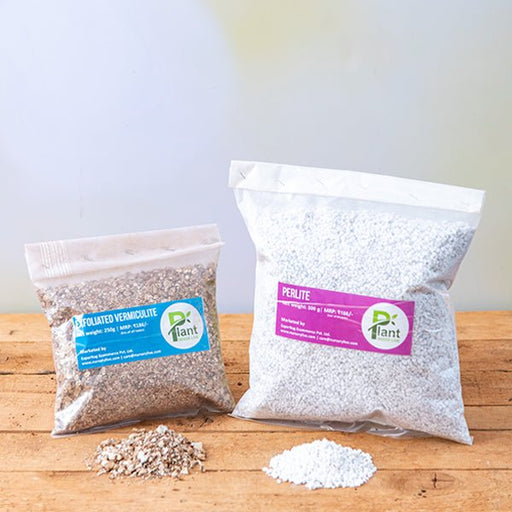
Peperomia rubella loves a well-draining potting mix, like a plant that enjoys a good escape route. A blend of cactus soil and regular potting mix works wonders, ensuring those roots don’t sit in water. Think of it as giving your plant a luxurious penthouse suite—plenty of drainage and room to breathe!
Can Peperomia rubella grow indoors?
Absolutely! Peperomia rubella is the ultimate indoor plant, thriving in cozy corners and sunny windowsills. It’s like the introverted friend who prefers the comfort of home but still brings joy to the party. With its low light and water requirements, it’s perfect for those who want greenery without the fuss of outdoor gardening!
Is Peperomia rubella toxic to pets?
Good news for pet parents! Peperomia rubella is non-toxic to cats and dogs, making it a safe choice for your furry friends. It’s like the friendly neighbor who brings cookies without the risk of allergies. However, it’s always wise to keep an eye on curious pets—after all, they might just want to taste those succulent leaves!
How fast does Peperomia rubella grow?
Peperomia rubella is not in a hurry; it’s more of a slow and steady type. Expect moderate growth, with new leaves sprouting every few months. It’s like watching a good series unfold—patience is key! With the right care, you’ll have a lush little plant that adds character to your indoor jungle.
Can I propagate Peperomia rubella?
Yes, you can! Propagating Peperomia rubella is as easy as pie—just take a leaf cutting, let it callous for a day, and then plant it in soil. Keep it moist and warm, and soon you’ll have baby plants sprouting like popcorn! It’s a fun way to expand your plant family without breaking the bank.
What pests should I watch for on Peperomia rubella?
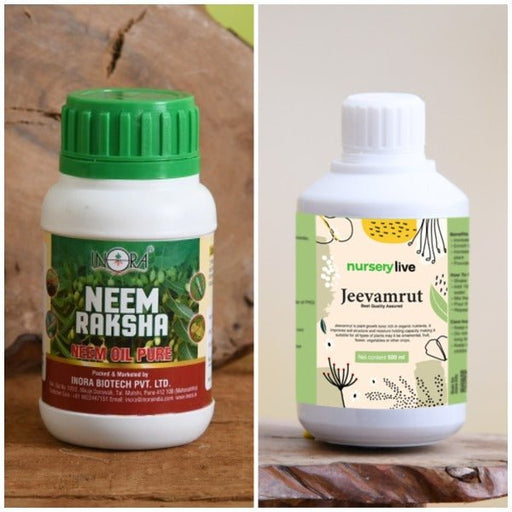
While Peperomia rubella is generally pest-resistant, it’s not immune to the occasional intruder. Watch out for mealybugs and spider mites, those sneaky little critters! If you spot them, a gentle wipe with soapy water or neem oil will send them packing. Think of it as a plant bouncer keeping the riffraff out!
How long can Peperomia rubella live?
With proper care, Peperomia rubella can live for several years, making it a long-term companion. It’s like the friend who sticks around through thick and thin! Just provide the right light, water, and love, and you’ll enjoy its company for a long time. Who knew a succulent could be such a loyal buddy?
What are the common problems with Peperomia rubella?
Common issues with Peperomia rubella include overwatering, which can lead to root rot, and insufficient light, causing leggy growth. It’s like a plant drama—too much or too little can lead to a sad story. Keep an eye on its leaves; if they start drooping or turning yellow, it’s time for a care intervention!


 White Marble Pebbles (1 kg)
₹199
White Marble Pebbles (1 kg)
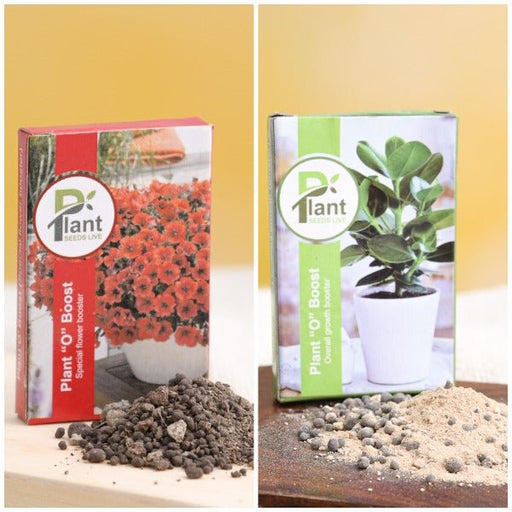
₹199 Plant O Boost — Growth Booster
₹239
Plant O Boost — Growth Booster
₹239 Garden Essential Plant Care Kit
₹599
Garden Essential Plant Care Kit
₹599