Syngonium Podophyllum Care
If you think caring for a plant is as easy as watering it and hoping for the best, think again! The Syngonium Podophyllum, with its stunning silver pearl leaves, requires a bit more TLC. This plant thrives in bright, indirect light and loves humidity. So, if you’re in a dry climate, consider giving it a misting or a cozy spot in your bathroom. Remember, overwatering is a cardinal sin in the plant world, so let that soil dry out a bit between drinks.
Indoor Plant Decor
Looking to jazz up your living space? The Syngonium Podophyllum Silver Pearl is your new best friend! With its eye-catching foliage, it’s like the fashionista of the plant world, effortlessly elevating your home decor. Place it on a shelf, hang it in a macramé holder, or let it trail down from a high spot. It’s versatile, stylish, and will have your guests asking where you found such a gem.
Potting Syngonium
Potting your Syngonium Podophyllum is like giving it a new pair of shoes. Choose a pot that’s slightly larger than its current home, with drainage holes to prevent soggy roots. Use a well-draining potting mix, and don’t forget to give it a little pep talk as you transfer it. After all, it’s a big move! Once settled, your plant will be ready to strut its stuff in its new digs.
Syngonium Propagation
Want to multiply your plant family? Propagating your Syngonium Podophyllum is as easy as pie! Simply take a cutting with a few leaves and place it in water or soil. In no time, you’ll have baby plants to share with friends or to keep for yourself (we won’t tell!). Just remember, patience is key; good things come to those who wait, especially in the plant kingdom.
Light Requirements
The Syngonium Podophyllum is a bit of a diva when it comes to light. It prefers bright, indirect sunlight, which is like the perfect spotlight for its silver pearl leaves. Too much direct sun, and it might just throw a tantrum, leading to scorched leaves. Too little light, and it’ll sulk, growing leggy and sad. Find that sweet spot, and you’ll have a happy plant on your hands.
Humidity Needs
If you want your Syngonium Podophyllum to thrive, think tropical! This plant loves humidity, so if you live in a dry area, consider investing in a humidifier or placing a pebble tray filled with water beneath it. Your plant will thank you with lush growth and vibrant leaves. Just remember, it’s not a cactus; it craves that moisture like a diva craves attention.
Fertilizing Syngonium
Just like we need our vitamins, your Syngonium Podophyllum needs a little boost too! Fertilize it every 4-6 weeks during the growing season with a balanced liquid fertilizer. It’s like giving your plant a gourmet meal, and trust us, it will flourish! Just don’t overdo it; too much fertilizer can lead to a plant that’s more “hot mess” than “hot shot.”
Common Pests
Every plant has its enemies, and the Syngonium Podophyllum is no exception. Watch out for pesky pests like spider mites and aphids. They can sneak in and wreak havoc on your beautiful leaves. Keep an eye out for any signs of trouble, and if you spot them, act fast! A gentle wash with soapy water or neem oil can send those intruders packing.
Toxicity of Syngonium
While the Syngonium Podophyllum is a stunning addition to your home, it’s important to know it’s not pet-friendly. This plant contains calcium oxalate crystals, which can cause irritation if ingested. So, if you have curious pets or small children, keep it out of reach. It’s a beautiful plant, but let’s keep the drama to a minimum, shall we?
Syngonium Varieties
The Syngonium Podophyllum isn’t just a one-hit wonder; it comes in various fabulous varieties! From the classic green to the stunning silver pearl, there’s a Syngonium for every taste. Each variety has its own unique charm, so why not collect them all? It’s like Pokémon for plant lovers, and who doesn’t want to catch ‘em all?
Repotting Syngonium
Repotting your Syngonium Podophyllum is like giving it a spa day. It’s a chance to refresh its environment and promote healthy growth. Aim to repot every couple of years or when it outgrows its pot. Choose a slightly larger pot and fresh soil, and watch your plant thrive in its new space. Just be gentle; it’s a delicate process, and we want to avoid any plant drama!


 White Marble Pebbles (1 kg)
₹199
White Marble Pebbles (1 kg)
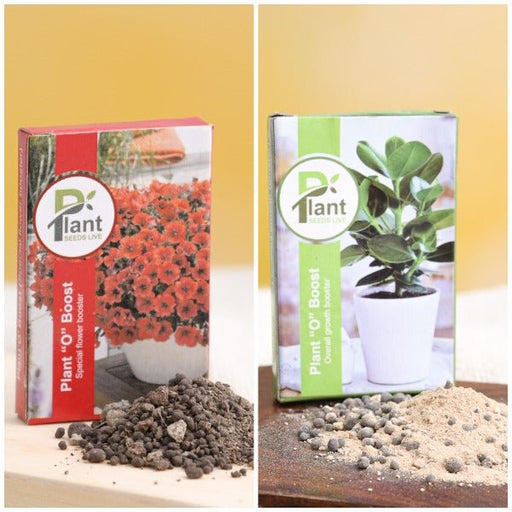
₹199 Plant O Boost — Growth Booster
₹239
Plant O Boost — Growth Booster
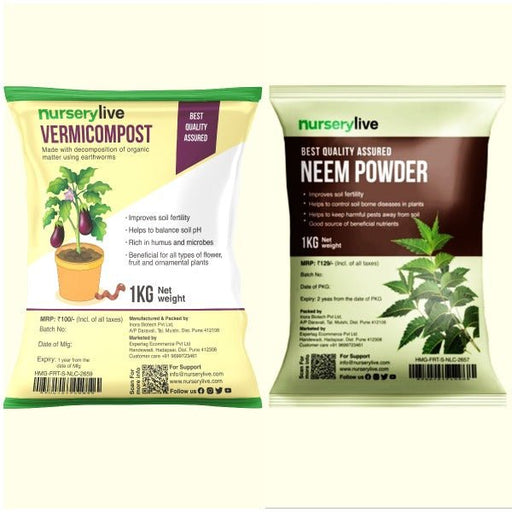
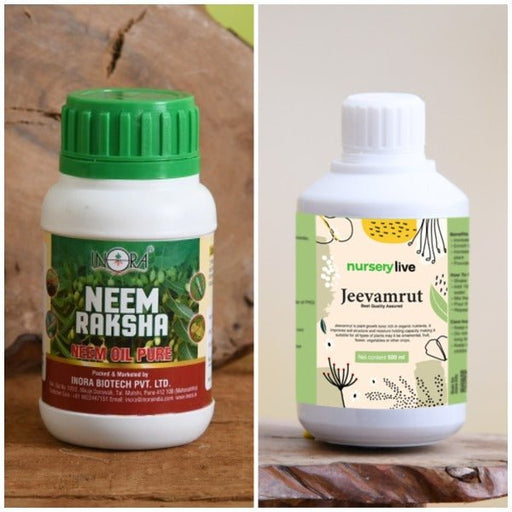
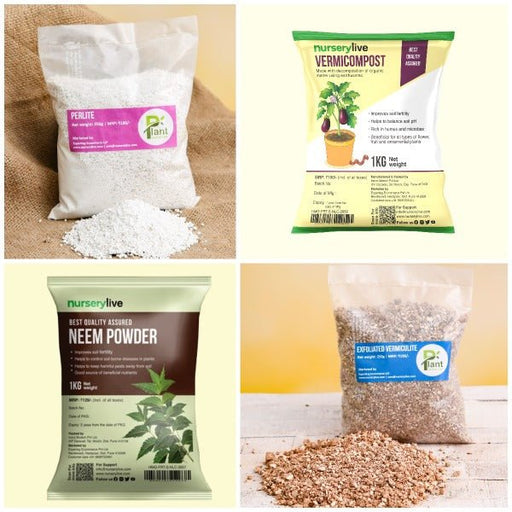
₹239 Garden Essential Plant Care Kit
₹599
Garden Essential Plant Care Kit
₹599