







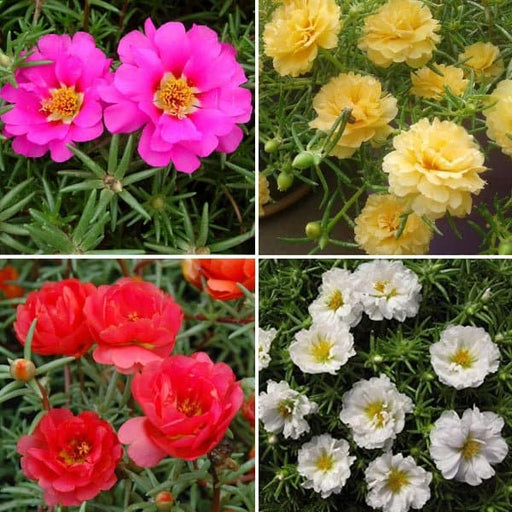


They did not send my mango plant according specifications,received plant in 5 inch pot although they promise for 10 inch pot. This is unfair trade practice
good quality & health plants received.
NOTHING DELIVERED NO RESPONSE AFTER 25 EMAILS. They are a bunch of cheaters.
NOTHING DELIVERED NO RESPONSE AFTER 25 EMAILS. They are a bunch of cheaters.
Healthy plant with lot of leaves delivered before time
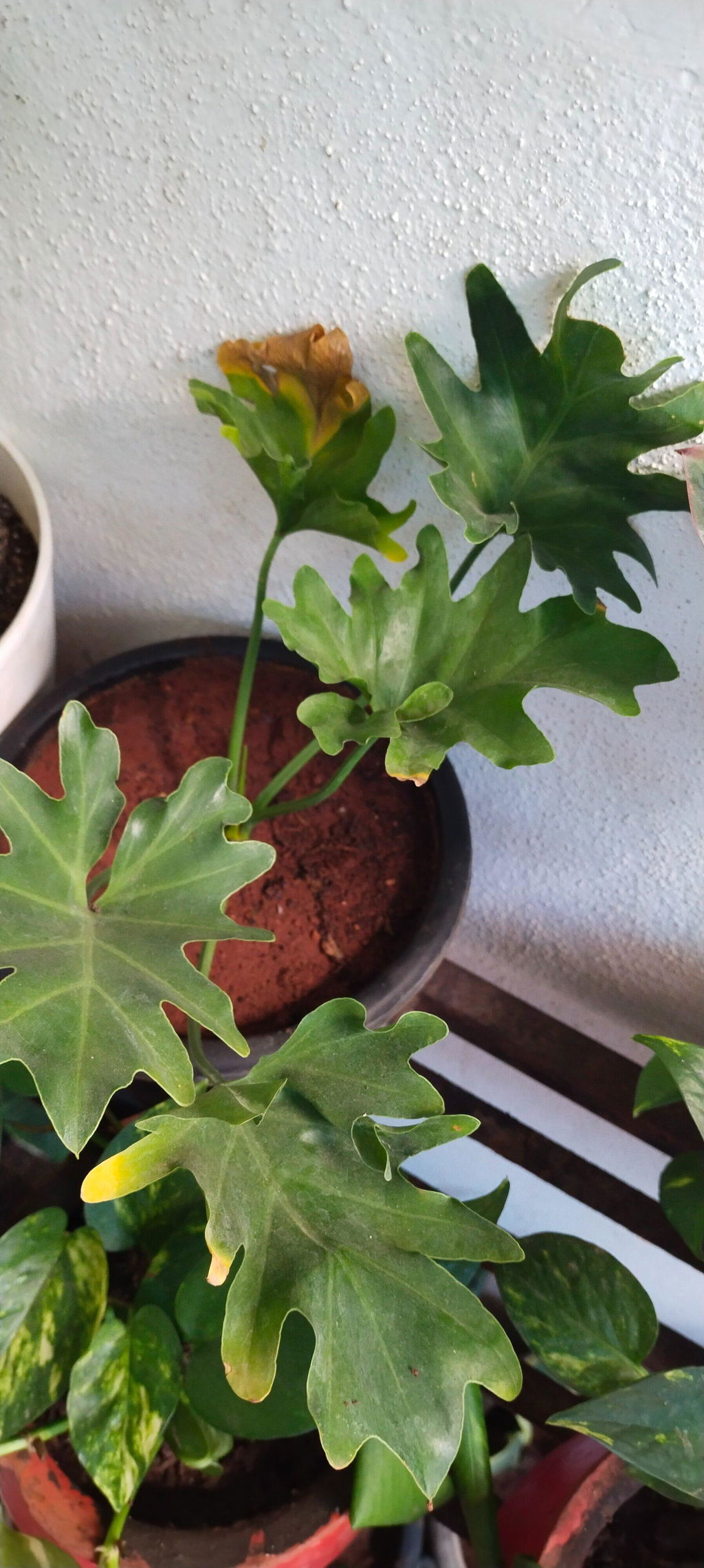
Received a common syngonium mango allusion instead.
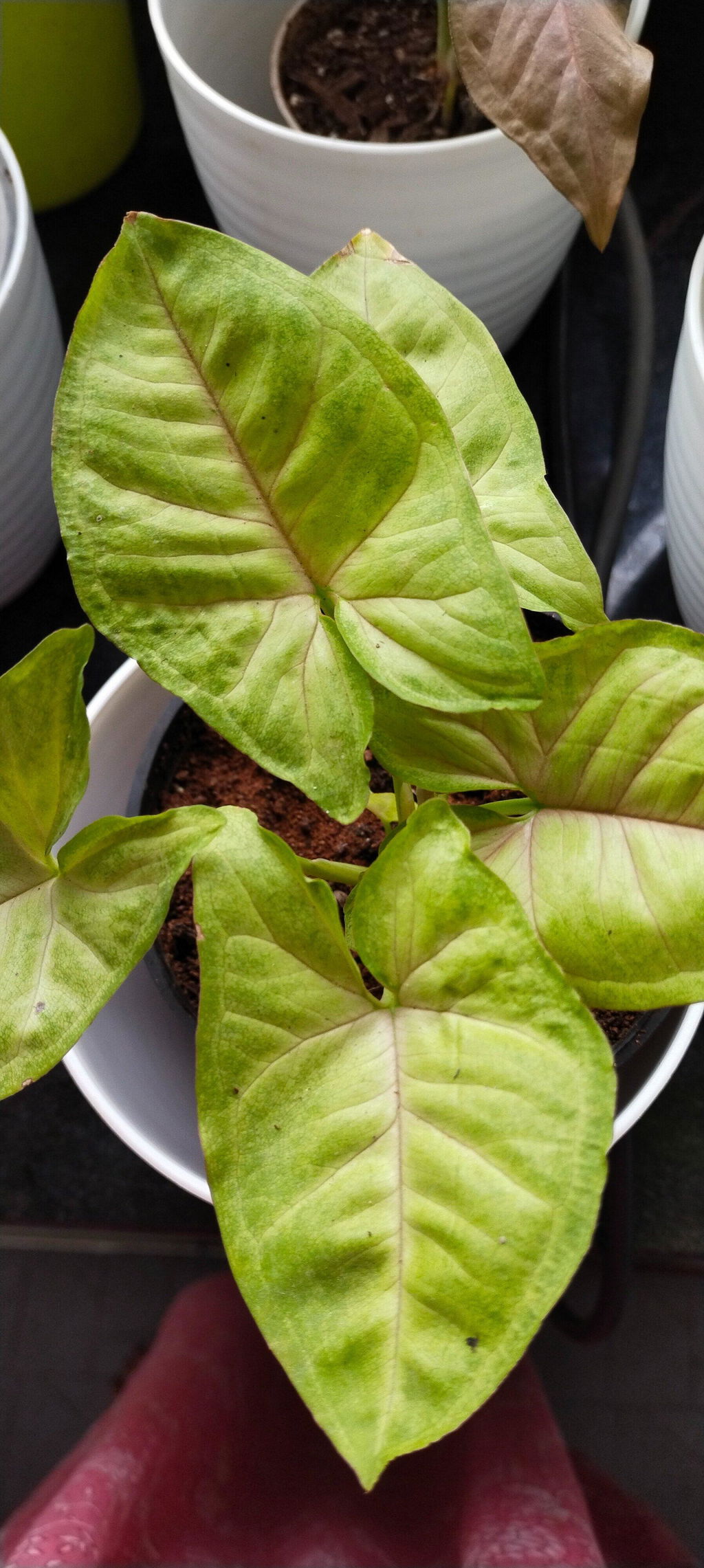
The Banyan tree is a majestic, long-living tree known for its broad canopy and unique aerial roots. It adds a natural, traditional feel to large outdoor spaces and gardens. Nursery Live offers banyan plants for gardening enthusiasts.
Wood Apple is a hardy fruit tree known for its unique fruits, attractive foliage, and traditional value. It is well suited to warm climates and can be a great addition to a home garden. Nursery Live offers wood apple plants for gardening enthusiasts.
Eucalyptus is a fast-growing tree with aromatic leaves and a refreshing natural fragrance. It adds greenery and a distinctive look to outdoor spaces. Nursery Live offers eucalyptus plants for gardening enthusiasts.
Royal Palm is a tall, elegant tree that gives gardens a beautiful tropical look. It is easy to maintain and perfect for spacious outdoor areas. Nursery Live offers good options for adding a graceful touch to your landscape.
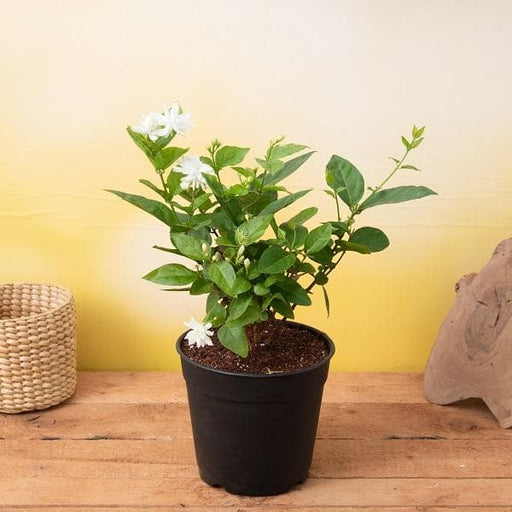
Mogra (Jasmine) fills any space with an intensely sweet, intoxicating scent and elegant white blooms, making it an absolute must-have for aromatic garden lovers.
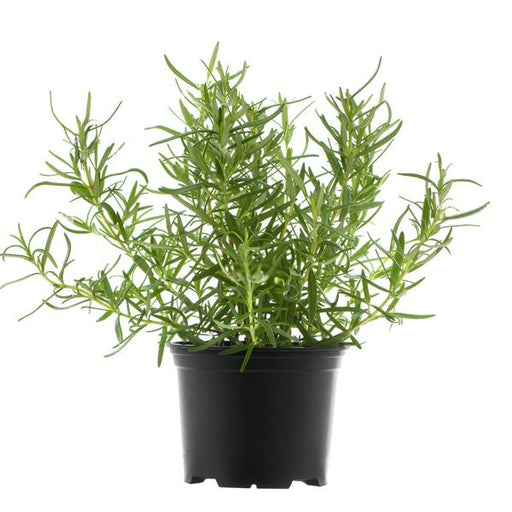
Rosemary is a fragrant, easy-to-grow herb that works well in pots and home gardens. Buying a healthy rosemary plant online from Nursery Live is a convenient option for adding fresh greenery to your space.
I had specifically asked your customer care regarding availability of Indian Gamthi variety of Curry leaf plant. I placed the order after I was confirmed its availability. However it was very disappointing to receive a normal curry leaf variety from a nursery within my city!
Royal Palm is a tall, elegant tree that gives gardens and outdoor spaces a tropical look. Nursery Live offers good options for adding a graceful touch to your landscape.
I ordered birds of paradise but they delivered Trvellers palm. Really bad experience.
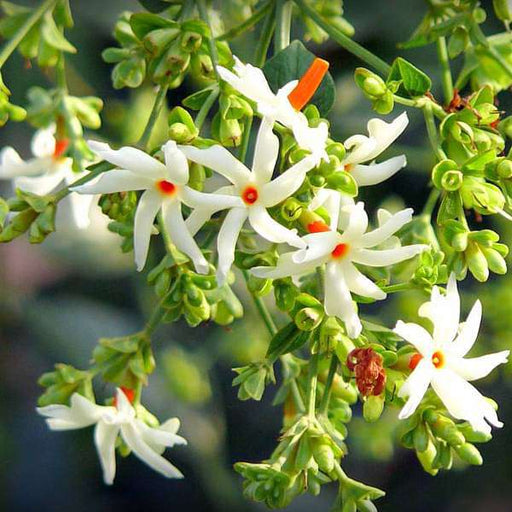
Parijat is a beautiful, fragrant flowering plant that adds charm to any garden. Easy to grow and care for. Nursery Live has a good selection.
Came well-hydrated and ready to display. Will definitely purchase from this store again!
Seamless ordering process from start to finish. The plant is thriving effortlessly.
Received this in pristine condition with vibrant leaves! Really prime quality standard throughout.
Shameless people, I have not received the delivery yet, and you guys are joking, please give me your correct contact number on which I can talk.
Simple care guidelines included and the plant settled into its new environment immediately.
Packed exceptionally well! Not a single broken stem, and it looks beautiful on display.