Skunkcabbage - Plant
(MRP Inclusive of all taxes)
- Shipping ₹79 for entire order
- Dispatch in 7 days
- Country of origin: India
(MRP Inclusive of all taxes)
Save 29%
Air Purifier Money Plant with Pot The Air Purifier Money Plant, also known as Pothos or Epipremnum aureum, is a stunning indoor plant that...
View full details
Save up to 15%
Peace Lily, Spathiphyllum - Plant The Peace Lily, scientifically known as Spathiphyllum, is a stunning houseplant celebrated for its elegant white...
View full details
Save 25%
Jasminum sambac, Mogra, Arabian Jasmine - Plant Jasminum sambac, commonly known as Mogra or Arabian Jasmine, is a fragrant flowering plant...
View full details
Save 18%
Combo Constituents Includes the Parijat Tree (Night-Flowering Jasmine), a culturally significant plant with fragrant flowers. Description The Pari...
View full details
Save 25%
Miniature Rose, Button Rose (Any Color) - Plant The Miniature Rose, also known as the Button Rose, is a charming and compact flowering plant that ...
View full details
Save 25%
Damascus Rose, Scented Rose (Any Color) - Plant The Damascus Rose, also known as Rosa damascena, is a timeless symbol of beauty and romanc...
View full details
Save 17%
Beautiful Fragrant Mogra, Arabian Jasmine Plant with Pot The Beautiful Fragrant Mogra, also known as Arabian Jasmine (Jasminum sambac), is...
View full details
Save 15%
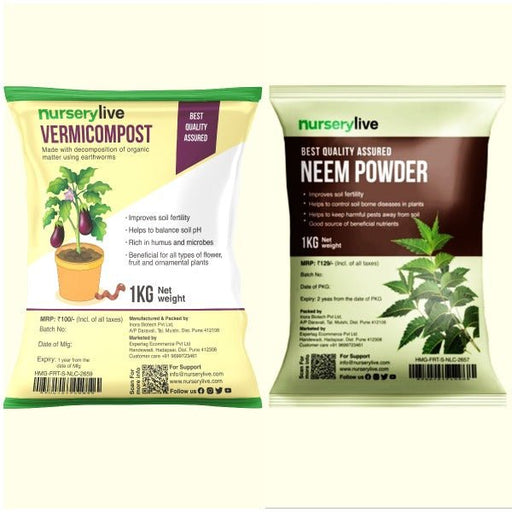
Pack of Vermicompost and Neem Cake for House Plants Transform your indoor garden with our premium Pack of Vermicompost and Neem Cake, spec...
View full details
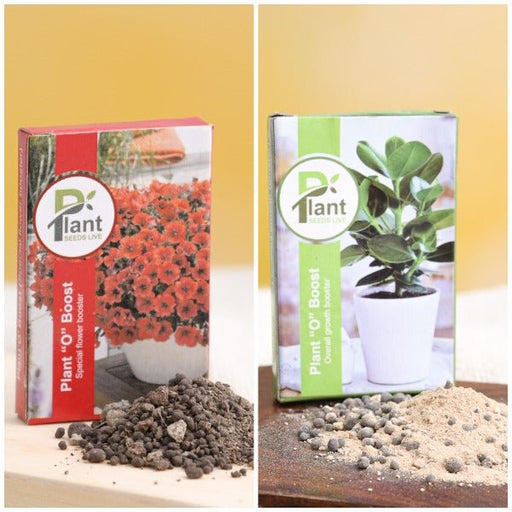
Pack of Plant Growth and Flower Boosters Unlock the full potential of your garden with our Pack of Plant Growth and Flower Boosters! This ...
View full details
Save 38%
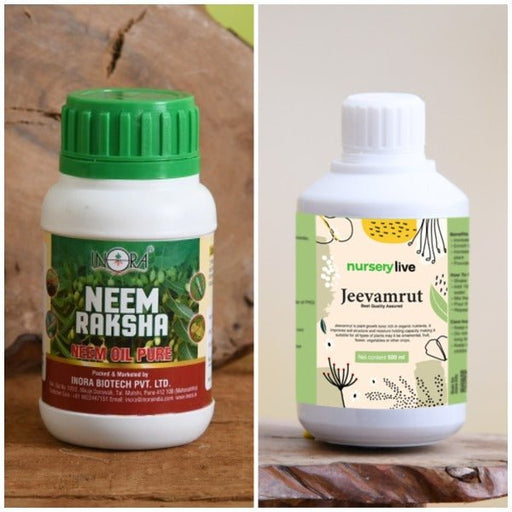
Combo of Jeevamrut and Neem Raksha for Easy Growth and Protection of Houseplants Transform your indoor garden with our exclusive combo of ...
View full details
Save 22%
Plant Nutrients Kit (Pack of 16) for a Healthy Garden Transform your garden into a lush paradise with our Plant Nutrients Kit, featuring 1...
View full details
Save 16%
Combo of Top Plant Fertilizers Elevate your gardening game with our exclusive Combo of Top Plant Fertilizers, featuring two bags of premiu...
View full details
Save 24%
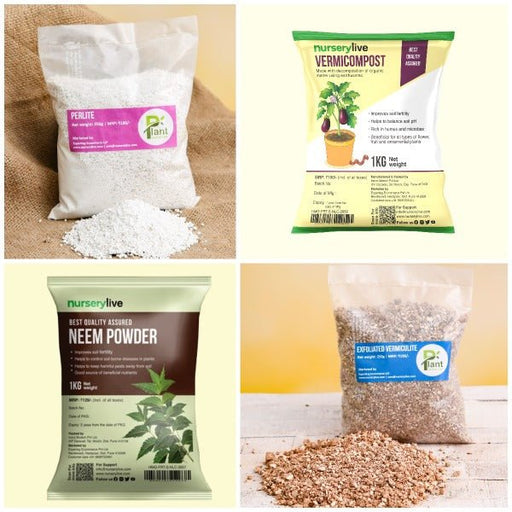
Pack of 4 Additives to Make Soil Healthy and Nutrient Rich Transform your garden into a thriving ecosystem with our Pack of 4 Additives de...
View full details
Save 30%
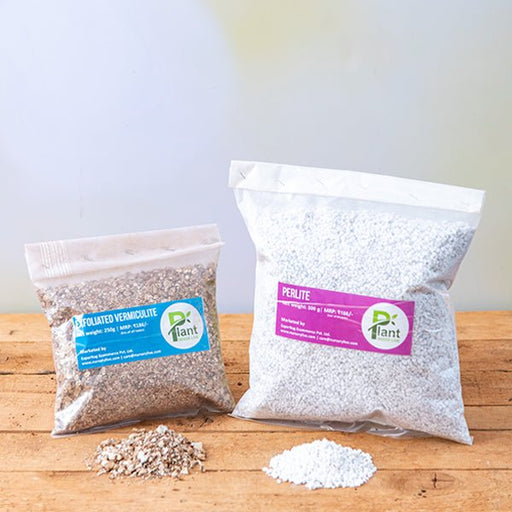
Transform your gardening experience with our premium Combo of Perlite and Vermiculite. This unique blend is designed to enhance soil aeration and ...
View full details
Save 27%
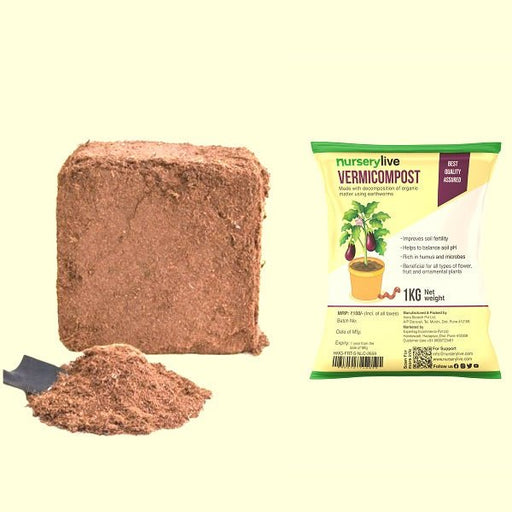
Combo of 2 Vermicompost and Cocopeat - Enrich Your Soil Naturally! Transform your garden into a thriving ecosystem with our Combo of 2 Ver...
View full details
Save 35%
Best 6 Plants for Perfect Indoor Garden Transform your living space into a lush oasis with our curated collection of the Best 6 Plants for a...
View full details
Save up to 50%
Mini Succulent Garden Pack Transform your space with our Mini Succulent Garden Pack, featuring a delightful collection of 4 any variety beautiful s...
View full details
Save 30%
5 Best Fragrant Plants Transform your garden or indoor space into a fragrant paradise with our curated selection of the 5 Best Fragrant Plants. Th...
View full details
Save 24%
Set of 2 Bonsai Looking Grafted Adeniums Transform your indoor or outdoor space with our exquisite Set of 2 Bonsai Looking Grafted Adenium...
View full details
Save 45%
Top 4 Die Hard Succulents Pack Transform your indoor or outdoor space with our Top 4 Die Hard Succulents Pack, featuring a curated selecti...
View full details
Save 30%
5 Best Indoor Plants Pack Transform your living space into a lush oasis with our '5 Best Indoor Plants Pack.' This carefully curated collection fe...
View full details
Save 25%
Set of 4 Evergreen Air Purifier Plant Pack Transform your indoor space into a lush, green oasis with our Set of 4 Evergreen Air Purifier Pla...
View full details| SrNo | Item Name |
|---|---|
| 1 | Skunkcabbage - Plant |
Skunk Cabbage (Symplocarpus foetidus) is a unique perennial plant native to North America, thriving in wetland areas. Known for its distinctive large, heart-shaped leaves and unusual flowering structure, this plant emits a strong odor reminiscent of skunk, which is where it gets its name. Skunk Cabbage is not only a fascinating addition to any garden but also plays a crucial role in its ecosystem, providing early spring food for pollinators.
What makes Skunk Cabbage special is its ability to generate heat, allowing it to melt snow and emerge early in the spring. This thermogenic property enables it to thrive in cold, wet environments, making it a resilient choice for gardeners looking to enhance biodiversity. Its striking appearance and unique characteristics make it a conversation starter in any landscape.
One of the special features of Skunk Cabbage is its unique inflorescence, which resembles a large, hooded flower. This structure not only attracts pollinators but also provides a habitat for various insects. Additionally, its leaves can grow up to 3 feet long, creating a lush, tropical feel in your garden.
Skunk Cabbage plays a vital role in wetland ecosystems by stabilizing soil and providing habitat for various species. Its early blooming period supports pollinators when few other food sources are available, contributing to the overall health of the ecosystem.
If you think skunk cabbage is picky about where it grows, think again! This plant thrives in wet, marshy areas, often found in swamps and along stream banks. It’s like the party animal of the plant world, showing up where the water is deep and the soil is mucky. So, if you’re looking for a plant that loves to get its feet wet, skunk cabbage is your go-to. Just don’t expect it to show up at your garden party; it prefers the wild, untamed vibes of nature.
Who knew that a plant with a name like skunk cabbage could be so beneficial? This green wonder is not just a pretty face; it plays a crucial role in its ecosystem. It provides food for various insects and is a favorite among pollinators. Plus, its ability to thrive in wet conditions helps prevent soil erosion. So, while it may not win any beauty contests, skunk cabbage is the unsung hero of the wetlands, keeping everything in balance.
Spotting skunk cabbage is like playing a game of botanical hide-and-seek. With its large, glossy leaves and unique, hood-like flowers, it’s hard to miss once you know what you’re looking for. The leaves can grow up to three feet long, making them the divas of the swamp. And let’s not forget the smell—while it may not be the most pleasant aroma, it’s a sure sign you’ve found the right plant. Just remember, if it smells like a skunk, you’re on the right track!
Skunk cabbage is the overachiever of the plant kingdom, often emerging from the ground as early as February. It’s like that friend who shows up to the party before anyone else, ready to get the festivities started. This plant can grow in temperatures as low as 20°F, thanks to its unique ability to generate heat. So, while others are still hibernating, skunk cabbage is out there, flaunting its vibrant leaves and saying, “Winter? What winter?”
Beyond its swampy charm, skunk cabbage has a few tricks up its leafy sleeves. Traditionally, Native Americans used it for medicinal purposes, treating ailments like coughs and skin irritations. Today, it’s often used in herbal remedies, though you might want to think twice before brewing a skunk cabbage tea. Its leaves can also be used as a natural mulch, helping to keep your garden looking fabulous while breaking down over time. Who knew this plant had such a versatile resume?
When it comes to attracting pollinators, skunk cabbage is like the life of the party. Its unique flowers emit a scent that’s a mix of sweet and, well, skunky, drawing in all sorts of insects. Flies, beetles, and even some bees can’t resist the allure of this plant. It’s a match made in nature, where the skunk cabbage provides a cozy spot for pollinators to do their thing, and in return, they help it reproduce. Talk about a win-win!
While skunk cabbage may look inviting, it’s not all sunshine and rainbows. This plant contains calcium oxalate crystals, which can be toxic if ingested. So, if you’re thinking of adding it to your salad, think again! The good news is that animals usually steer clear of it, thanks to its pungent aroma and unpleasant taste. It’s like nature’s way of saying, “Not for human consumption!” So, admire it from a distance and let it do its thing in the wild.
If you’re feeling adventurous and want to cultivate skunk cabbage in your garden, prepare for a wet and wild ride. This plant loves moisture, so you’ll need to create a mini swamp for it to thrive. It’s not your typical garden plant, but if you can provide the right conditions, it’ll reward you with its unique beauty. Just remember, skunk cabbage is a bit of a diva; it won’t tolerate dry spells or poor soil. Treat it right, and it’ll flourish!
Did you know there are different types of skunk cabbage? The most common is the Eastern skunk cabbage, but you can also find its Western cousin, which has its own unique flair. Each variety has its own quirks, but they all share that signature skunky smell. Whether you’re a fan of the classic or want to explore the lesser-known varieties, skunk cabbage offers a delightful journey through the plant world. Just be prepared for the olfactory adventure!
Skunk cabbage has made its mark in folklore, often associated with mystical properties and local legends. Some cultures believed it could ward off evil spirits, while others used it in rituals. It’s like the quirky character in a story that everyone remembers. So, if you’re looking to add a touch of whimsy to your garden, consider planting skunk cabbage and let the tales unfold. Who knows what stories your garden might inspire?
As with many native plants, skunk cabbage faces threats from habitat loss and climate change. Conservation efforts are crucial to ensure this unique plant continues to thrive in its natural environment. By protecting wetlands and promoting biodiversity, we can help skunk cabbage and its pollinator friends flourish. So, if you’re passionate about plants, consider getting involved in local conservation initiatives. After all, every little bit helps, and skunk cabbage will thank you with its delightful presence!
Skunkcabbage is a unique wetland plant known for its distinctive, skunky aroma. It thrives in marshy areas and boasts large, heart-shaped leaves. Its scientific name, Symplocarpus foetidus, might sound fancy, but don’t let that fool you; it’s the smell that really makes it memorable. Think of it as nature’s own funky perfume!
You can find Skunkcabbage in the soggy corners of North America, particularly in wetlands, swamps, and along stream banks. Just follow your nose! It’s often one of the first plants to bloom in spring, so if you’re on a quest for this quirky flora, look for those marshy spots where the water loves to hang out.
While Skunkcabbage might not be on your gourmet menu, it’s technically edible when cooked. However, raw consumption can lead to a rather unpleasant experience, thanks to its high oxalic acid content. So, unless you’re a fan of culinary daredevilry, it’s best to admire this plant from a safe distance—preferably with your nose plugged!
Historically, Skunkcabbage has been used in traditional medicine for various ailments, including respiratory issues and muscle pain. Its roots were often brewed into teas or poultices. However, before you start brewing your own Skunkcabbage concoction, remember: just because it’s been used doesn’t mean it’s a miracle cure. Consult a professional, folks!
Skunkcabbage has a rather unique reproductive strategy. It produces a spadix, a club-like structure, surrounded by a spathe that resembles a flower. This plant is a master of attracting pollinators, especially flies, with its delightful aroma (if you’re a fly, that is). So, it’s not just a pretty face; it’s got some serious charm!
Skunkcabbage isn’t exactly toxic, but it does contain compounds that can irritate your mouth and throat if consumed raw. Think of it as nature’s way of saying, “Hey, maybe don’t eat me!” So, while it won’t send you to the hospital, it’s best to keep this plant on the “look, don’t touch” list.
Skunkcabbage loves to hang out in wet, marshy areas, often forming dense colonies. It thrives in rich, moist soil and can tolerate some flooding. If you’re looking for it, think of places where water and mud throw a party. Just remember, it’s not a fan of dry land—this plant prefers to keep its feet wet!
Growing Skunkcabbage is like hosting a wetland party in your garden! It prefers shady, moist areas with rich soil. Plant the rhizomes in spring or fall, and watch them thrive. Just be prepared for their unique aroma; it’s part of the package! Remember, they’re not picky, but they do love a good soak.
Absolutely! Skunkcabbage can add a quirky touch to your wetland garden or natural landscape. Its large leaves and unique flowers can create a striking focal point. Just be mindful of its skunky scent; it’s not for everyone. If you’re looking to impress your neighbors with something unusual, this plant is your go-to!
Skunkcabbage plays a vital role in its ecosystem by providing habitat for various wildlife and helping to stabilize wetland soils. Its early spring blooms offer food for pollinators when few other plants are available. So, while it may smell a bit funky, it’s a true environmental hero, doing its part to keep nature balanced!
Yes, Skunkcabbage is a perennial plant, meaning it comes back year after year, like that one friend who never leaves the party. It emerges in early spring, often before the last frost, and can live for many years. So, if you’re looking for a long-term wetland companion, this plant is ready to commit!
The best time to catch Skunkcabbage in all its glory is early spring, typically from March to April. It’s one of the first plants to bloom, often pushing through the snow to show off its unique flowers. So, grab your camera and your nose plugs, and head to the wetlands for a funky floral experience!