Skip to content

Dianella tasmanica variegata - Plant

Sold out
Original price ₹ 249
₹ 249
₹ 249
Current price ₹ 249

Product includes

SrNoItem Name
1Dianella tasmanica variegata - Plant

Dianella tasmanica variegata - Plant

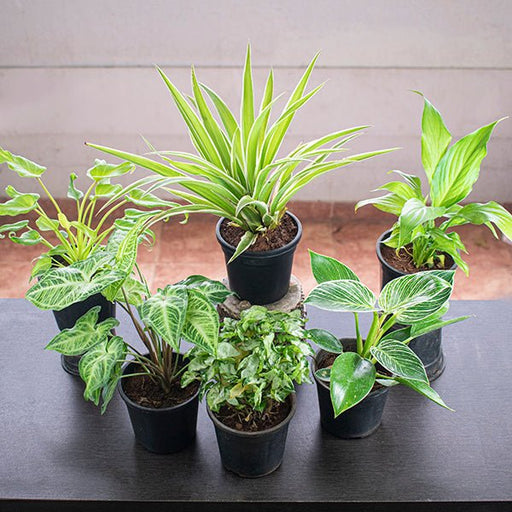
Dianella tasmanica variegata, commonly known as the Variegated Flax Lily, is a stunning perennial native to Australia. This ornamental plant features striking green and cream variegated leaves that create a vibrant display in any garden or landscape. With its clumping growth habit and delicate blue flowers, it adds both texture and color, making it a favorite among gardeners and landscapers alike.

What makes Dianella tasmanica variegata truly special is its adaptability to various environments. It thrives in both sunny and partially shaded areas, making it a versatile choice for diverse garden settings. Additionally, this plant is drought-tolerant once established, making it an eco-friendly option that requires minimal water, thus contributing positively to water conservation efforts.

One of the standout features of this plant is its ability to attract pollinators, such as bees and butterflies, enhancing biodiversity in your garden. The berries produced after flowering are not only visually appealing but also provide food for birds, further enriching the local ecosystem.

Growing Instructions

  • Plant in well-drained soil with a pH of 6.0 to 7.0.
  • Choose a location that receives full sun to partial shade.
  • Space plants 18-24 inches apart to allow for clumping growth.
  • Water regularly during the first growing season to establish roots.

Care Instructions

  • Fertilize with a balanced fertilizer in spring for optimal growth.
  • Prune dead or damaged leaves to maintain appearance.
  • Mulch around the base to retain moisture and suppress weeds.
  • Monitor for pests; treat with organic insecticides if necessary.

Uses

  • Ideal for borders, mass plantings, and as ground cover.
  • Perfect for water-wise gardens and native plant landscapes.
  • Can be used in containers for patios and balconies.
  • Great for attracting wildlife, enhancing garden biodiversity.

Fun Facts

  • Dianella tasmanica variegata is known for its resilience and can survive in poor soil conditions.
  • The plant's berries are edible but are best enjoyed by birds.
  • Historically, Indigenous Australians used the leaves for weaving and making cordage.
  • This plant is a great choice for sustainable gardening due to its low water requirements.

Dianella tasmanica care

If you think caring for a plant is as easy as watering it and saying sweet nothings, think again! Dianella tasmanica, with its variegated leaves that look like they just stepped out of a fashion magazine, requires a bit more finesse. This plant thrives in well-drained soil and loves a good sunbath, but don’t let it get too hot under the collar. A little shade during the hottest hours will keep it looking fabulous. Regular watering is key, but remember, it’s not a swimming pool—drowning is not a good look!

Dianella tasmanica benefits

Who knew that a plant could be a multitasking superstar? Dianella tasmanica isn’t just a pretty face; it’s also a champion at erosion control and a natural air purifier. With its striking foliage, it can jazz up any garden while keeping the soil in check. Plus, it’s drought-tolerant, so it won’t throw a tantrum during dry spells. Talk about a plant that knows how to keep it together!

Dianella tasmanica propagation

Ready to play plant parent? Propagating Dianella tasmanica is like baking a cake—follow the recipe, and you’ll have delightful results. You can propagate this beauty through division or by seed. Just make sure to give it a cozy spot to grow, and before you know it, you’ll have a mini jungle of variegated wonders. Remember, patience is key; good things come to those who wait (and water).

Dianella tasmanica sunlight requirements

Sunlight is the secret sauce for a happy Dianella tasmanica. This plant loves to soak up the sun, but it’s not a sunbather that enjoys the scorching heat all day. Aim for a sweet spot with partial shade, especially during the peak hours. Too much sun can lead to crispy leaves, and nobody wants that! Think of it as finding the perfect balance between a sunny beach day and a cool, shady picnic.

Dianella tasmanica pests

Just like a celebrity, Dianella tasmanica can attract unwanted attention from pests. Aphids and spider mites might think they’re invited to the party, but you’ll want to show them the door. Regular inspections and a gentle spray of insecticidal soap can keep these party crashers at bay. Remember, a healthy plant is a happy plant, and nobody likes a pesty guest!

Dianella tasmanica landscape design

If you’re looking to elevate your garden game, Dianella tasmanica is your go-to plant. Its striking variegated leaves add a splash of color and texture, making it a perfect choice for landscape design. Use it as a border, in mass plantings, or as a focal point—this plant knows how to steal the show. Pair it with other native plants for a harmonious look that even Mother Nature would applaud.

Dianella tasmanica watering needs

Watering a Dianella tasmanica is like giving it a refreshing drink after a workout—just the right amount is crucial! This plant prefers to dry out between waterings, so don’t go overboard. A good rule of thumb is to check the soil; if it’s dry an inch down, it’s time for a sip. Overwatering can lead to root rot, and trust me, that’s a party no one wants to attend!

Dianella tasmanica soil type

When it comes to soil, Dianella tasmanica is a bit of a diva. It prefers well-drained soil that’s rich in organic matter. Think of it as a luxurious spa treatment for its roots. Sandy or loamy soils are ideal, but it can tolerate a range of conditions. Just avoid heavy clay that holds water like a clingy friend—nobody likes that!

Dianella tasmanica hardiness zone

If you’re wondering where Dianella tasmanica can thrive, it’s like the Goldilocks of plants—finding the perfect climate is key! This beauty is hardy in USDA zones 9 to 11, meaning it loves warm weather but can handle a bit of chill. If you live in a cooler area, consider bringing it indoors during the frosty months. After all, even plants deserve a cozy winter retreat!

Dianella tasmanica uses

The uses for Dianella tasmanica are as varied as its stunning leaves! Beyond being a garden showstopper, it’s also great for erosion control, making it a practical choice for slopes. Its berries are edible (though not gourmet), and the leaves can be used for weaving. So, whether you’re looking to beautify your space or get crafty, this plant has got you covered!

Dianella tasmanica companion plants

Pairing Dianella tasmanica with the right companions is like finding the perfect dance partner—chemistry is everything! It thrives alongside other native plants like kangaroo paws and native grasses. These companions not only complement its beauty but also create a harmonious ecosystem. Just remember, no drama in the garden; keep the plant relationships healthy and thriving!

Trending Collections

Save 40% with Gardening Solutions

You may also need

FAQ

What is Dianella tasmanica variegata?

Dianella tasmanica variegata is a stunning ornamental plant known for its striking variegated leaves. This beauty hails from Australia and adds a splash of color to gardens. With its graceful arching foliage and delicate blue flowers, it’s like the fashionista of the plant world—always turning heads!

How do I care for Dianella tasmanica variegata?

Caring for Dianella tasmanica variegata is a breeze! It loves well-drained soil and thrives in full sun to partial shade. Water it moderately, letting the soil dry out between drinks. Think of it as a plant that enjoys a spa day—just the right amount of pampering keeps it happy!

Is Dianella tasmanica variegata drought-tolerant?

Absolutely! Dianella tasmanica variegata is like that friend who can survive on minimal resources. Once established, it can handle dry spells like a champ. Just remember, while it’s tough, a little water during prolonged droughts will keep it looking fabulous and vibrant!

Can I grow Dianella tasmanica variegata in pots?

Yes, you can! Dianella tasmanica variegata is a pot-loving diva. Just ensure the pot has good drainage and use quality potting mix. It’ll thrive on your patio or balcony, adding a touch of elegance. Just don’t forget to give it a little sunbathing time!

What are the ideal growing conditions for Dianella tasmanica variegata?

This plant prefers well-drained soil, full sun to partial shade, and a warm climate. Think of it as a sunbather who enjoys a bit of shade now and then. With the right conditions, it’ll reward you with vibrant foliage and charming flowers—talk about a win-win!

How often should I fertilize Dianella tasmanica variegata?

Fertilizing Dianella tasmanica variegata is like giving it a gourmet meal. A balanced, slow-release fertilizer in spring will do the trick. Just once or twice a year is enough to keep it thriving. Overdoing it might turn your plant into a diva with too many demands!

Is Dianella tasmanica variegata safe for pets?

Good news for pet parents! Dianella tasmanica variegata is non-toxic to cats and dogs. So, you can let your furry friends frolic around without worrying about them nibbling on this beauty. It’s a plant that’s as safe as it is stunning—what’s not to love

When does Dianella tasmanica variegata bloom?

Dianella tasmanica variegata typically blooms in late spring to early summer. Its delicate blue flowers pop up like little stars, adding charm to your garden. It’s like the plant’s way of throwing a party—just when you thought it couldn’t get any better!

Can Dianella tasmanica variegata be propagated?

Yes, indeed! Propagating Dianella tasmanica variegata is as easy as pie. You can do it through division or by taking cuttings. Just ensure the cuttings have a few leaves and roots, and watch them grow into fabulous new plants. It’s like cloning your favorite plant!

What pests should I watch for with Dianella tasmanica variegata?

While Dianella tasmanica variegata is generally pest-resistant, keep an eye out for aphids and spider mites. They can be pesky little intruders. A gentle spray of water or insecticidal soap can send them packing. Think of it as giving your plant a protective shield!

Can Dianella tasmanica variegata tolerate frost?

Dianella tasmanica variegata is not a fan of frost. It prefers to bask in warmer temperatures. If you live in a frosty area, consider bringing it indoors during chilly nights or providing some protective cover. After all, even plants deserve a cozy blanket on cold nights!