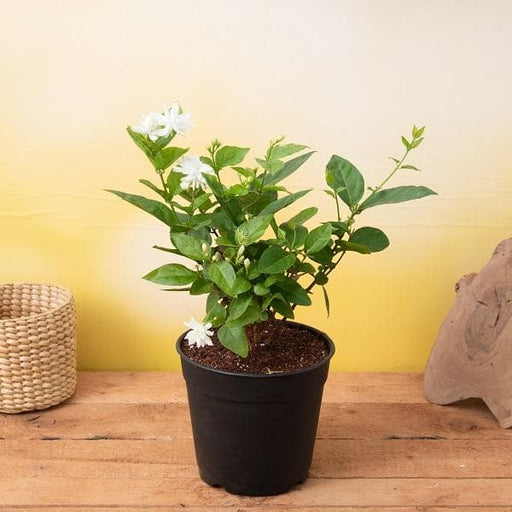
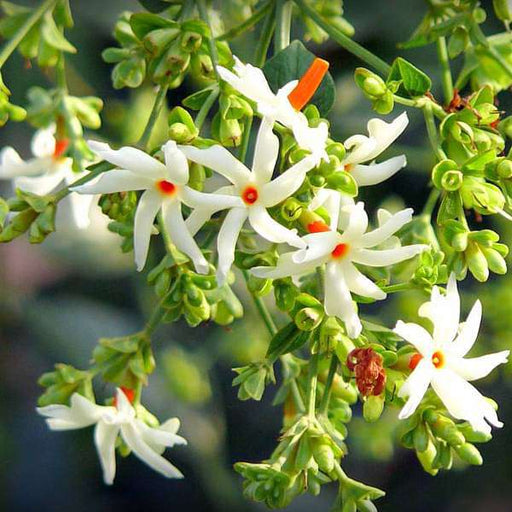
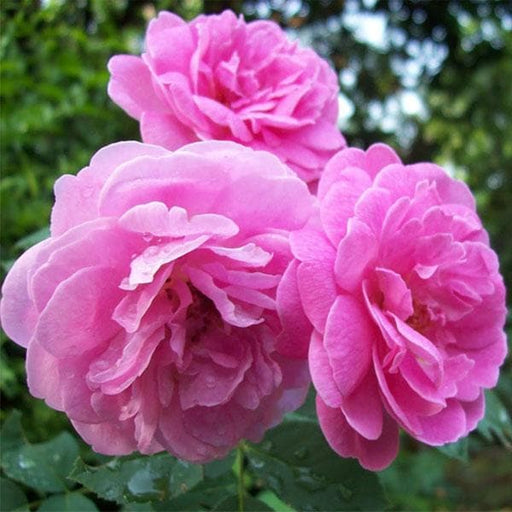
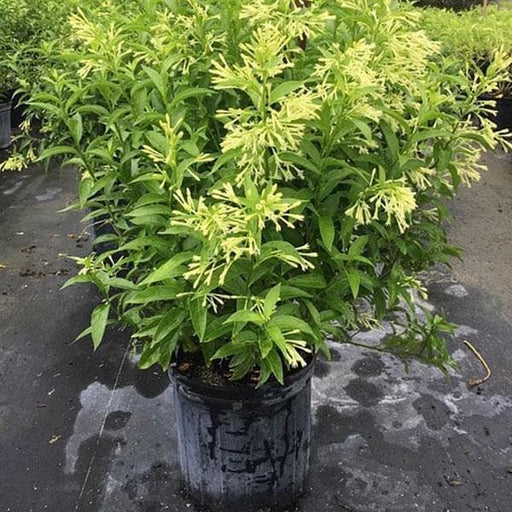
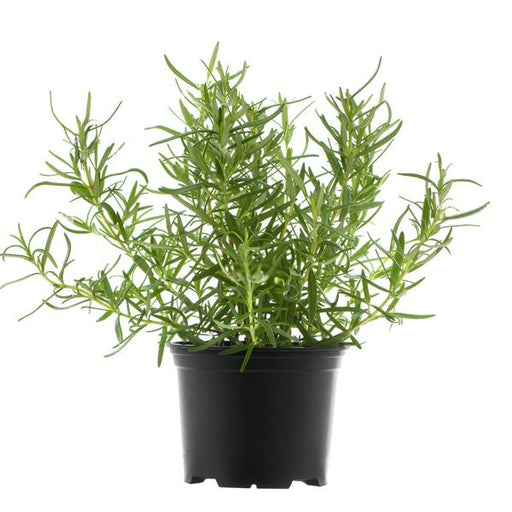
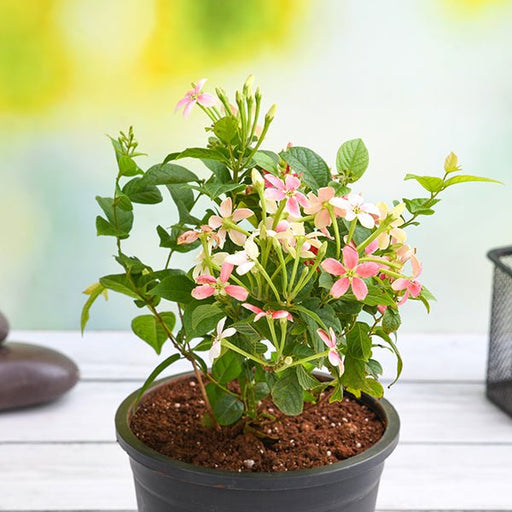
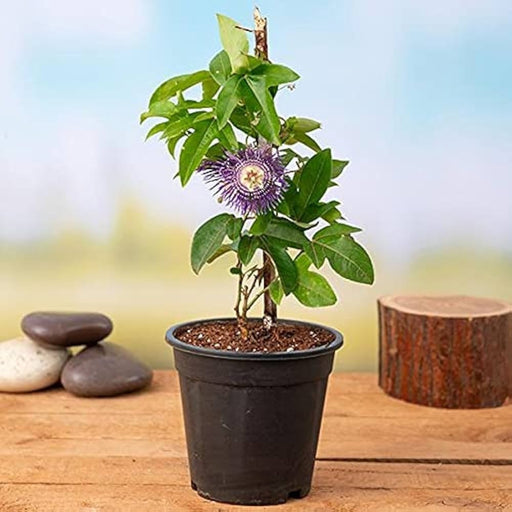
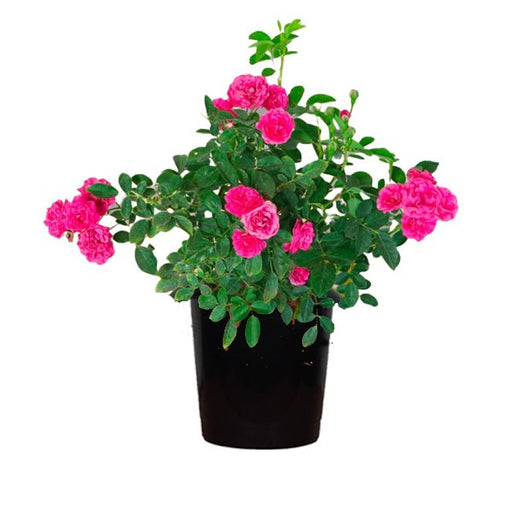
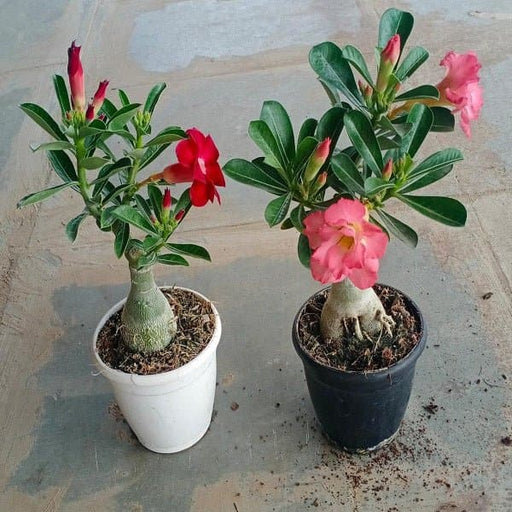
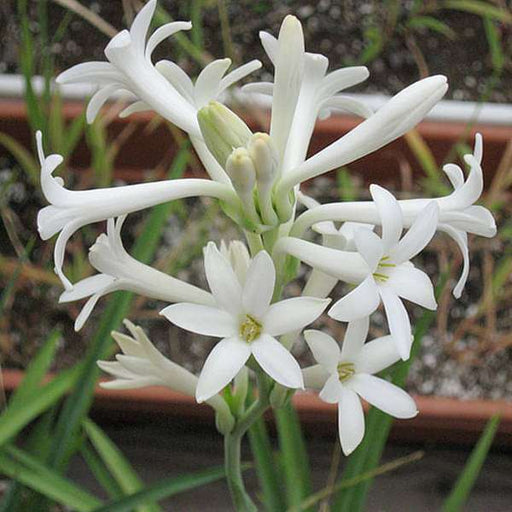
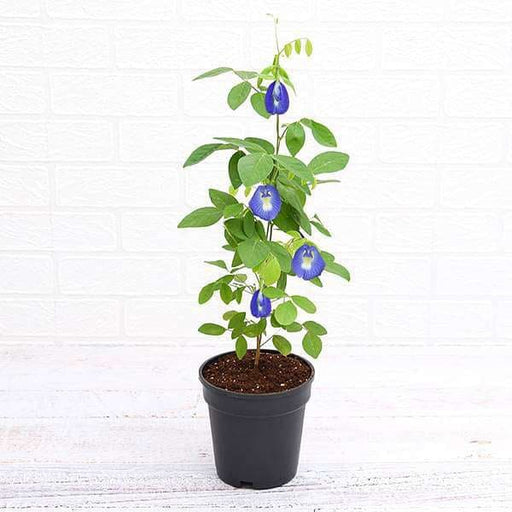
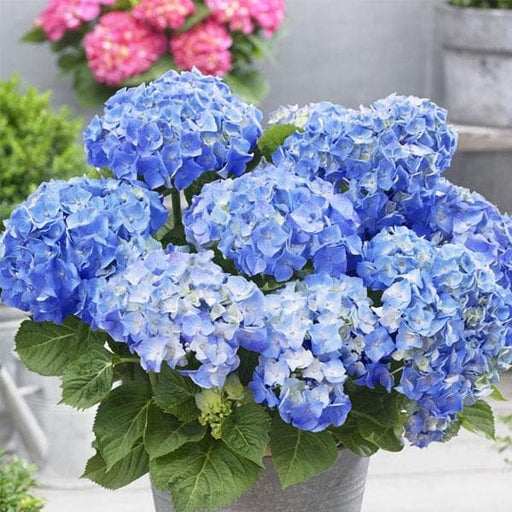
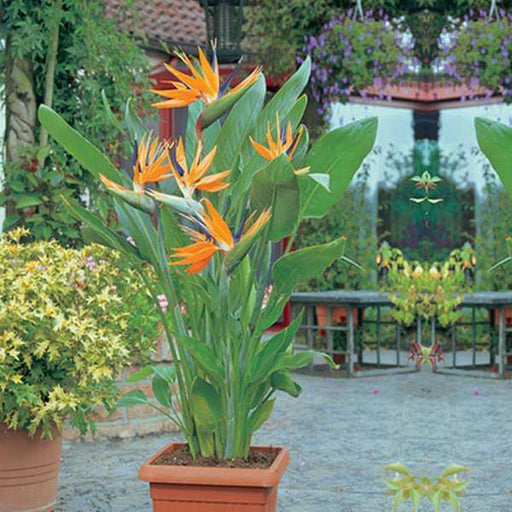
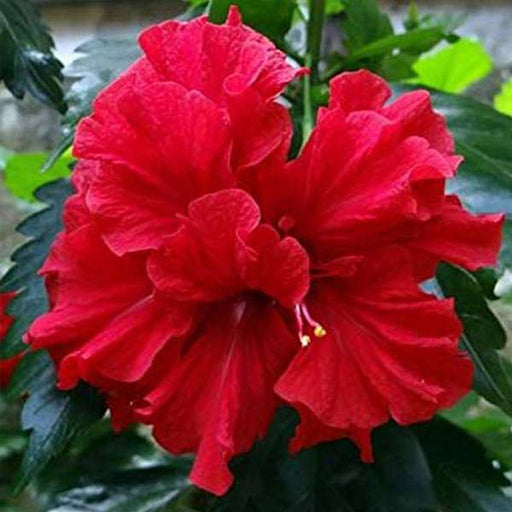
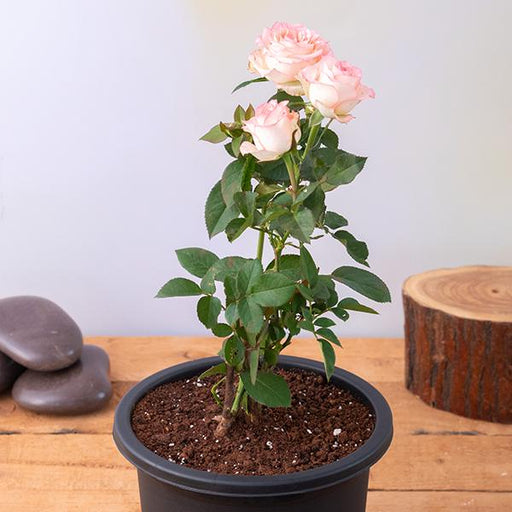
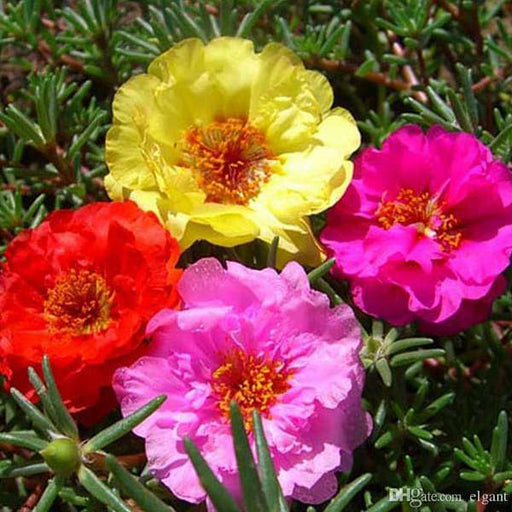
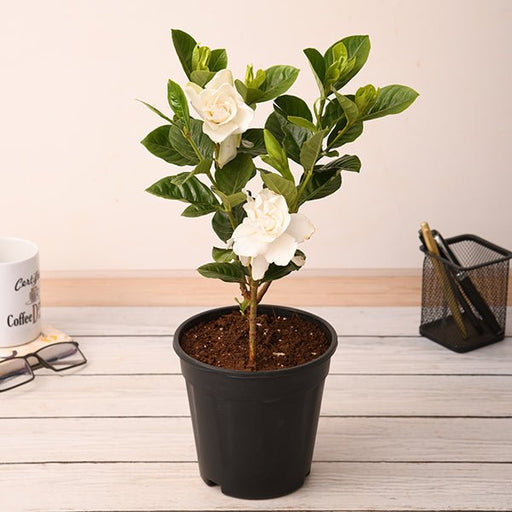
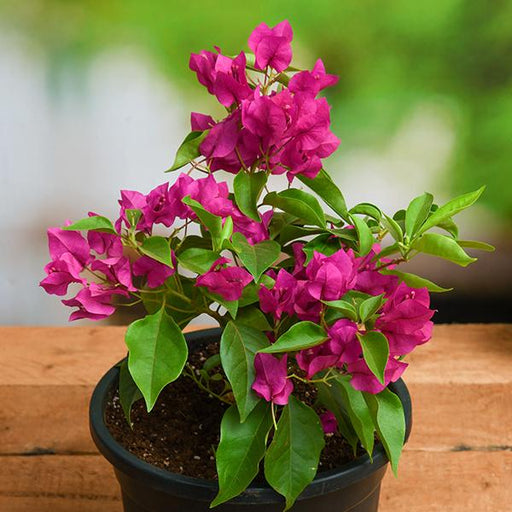
What are flowering plants?
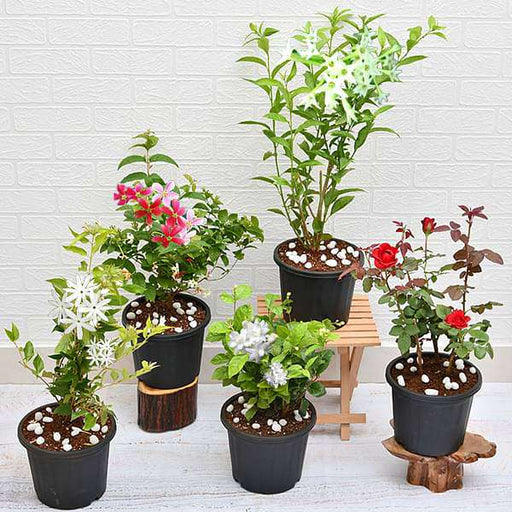
Flowering plants, also known as angiosperms, are plants that produce flowers and have seeds enclosed within a fruit.
What are the different types of flowering plants?
There are many different types of flowering plants, including annuals, perennials, bulbs, and shrubs, among others.
How do I care for my flowering plants?
Flowering plants require well-draining soil, regular watering, and a good fertilizer to thrive. They should be planted in a spot that receives full sunlight for at least 6 hours a day.
What is the best time to plant flowering plants?
The best time to plant flowering plants in India is during the spring or fall season, depending on the specific type of plant.
How often should I water my flowering plants?
Flowering plants require regular watering, and the frequency will depend on the weather conditions and the type of soil. As a general rule, water them deeply once or twice a week.
How can I fertilize my flowering plants?
You can use a balanced, all-purpose fertilizer to feed your flowering plants. Apply it every two weeks during the growing season.
Can flowering plants grow in pots?
Yes, many types of flowering plants can grow well in pots, as long as they have adequate drainage and are placed in a spot that receives enough sunlight.
How do I prune my flowering plants?
Prune your flowering plants regularly by removing any dead or faded flowers, and trimming back the stems to promote bushy growth.
How do I propagate my flowering plants?
Flowering plants can be propagated through stem cuttings, division, or seeds. The specific method will depend on the type of plant.
How do I prevent pests and diseases on my flowering plants?
To prevent pests and diseases on your flowering plants, make sure to keep the soil moist but not waterlogged, and avoid overcrowding the plants. Use organic pesticides if necessary.
How long do flowering plants bloom?
Flowering plants can bloom for several months, depending on the specific type of plant and growing conditions.
How do I store my flowering plants during the winter?
If you live in a region with cold winters, you can store your flowering plants in a cool, dry place indoors, or cover them with mulch and burlap outdoors.
Can flowering plants tolerate heat?
Yes, many types of flowering plants can tolerate heat, but they require regular watering to prevent wilting.
How do I plant flowering plant seeds?
Plant flowering plant seeds in a pot with well-draining soil, and cover them with a thin layer of soil. Water regularly and keep the soil moist until the seeds germinate.
Can flowering plants grow indoors?
Yes, many types of flowering plants can grow indoors if they receive enough sunlight and are planted in a well-draining pot with good soil.
How do I control pests on my flowering plants?
To control pests on your flowering plants, use organic pesticides and insecticidal soap. You can also manually remove any pests you see on the plant.
How do I deal with yellowing leaves on my flowering plants?
Yellowing leaves on flowering plants can be a sign of overwatering or nutrient deficiencies. Check the soil moisture levels and fertilize the plant as needed.
How do I revive wilting flowering plants?
Wilting flowering plants can be revived by watering them deeply and placing them in a shaded area for a few hours. If the problem persists, check the soil moisture levels and adjust your watering schedule.
How do I ensure my flowering plants get enough sunlight?
Plant your flowering plants in a spot that receives full sunlight for at least 6 hours a day, and avoid planting them in areas with too much shade or where they may be blocked by buildings or trees.
Can flowering plants survive in hot and dry conditions?
Some types of flowering plants can survive in hot and dry conditions, but they require regular watering and protection from strong sunlight.
How do I deal with root rot in my flowering plants?
Root rot in flowering plants can be caused by overwatering or poor drainage. To treat it, remove the affected plant and repot it in fresh, well-draining soil.
Can flowering plants grow in hanging baskets?
Yes, many types of flowering plants can grow well in hanging baskets, as long as the basket has adequate drainage and is placed in a spot that receives enough sunlight.
How do I protect my flowering plants from pests like aphids and spider mites?
To protect your flowering plants from pests like aphids and spider mites, use insecticidal soap or neem oil. You can also manually remove them with a damp cloth or cotton swab.
How do I propagate flowering plants by division?
To propagate flowering plants by division, gently dig up the plant and separate it into smaller sections. Replant each section in a pot or in the ground with fresh, well-draining soil.
Can flowering plants attract bees and other pollinators?
Yes, many types of flowering plants are known to attract bees and other pollinators, which can be beneficial for your garden.
How do I train flowering plants to climb a trellis or wall?
To train flowering plants to climb a trellis or wall, gently tie the stems to the support with twine or plant ties. As the plant grows, continue to tie the stems to the support.
How do I ensure my flowering plants bloom for a longer period?
To ensure your flowering plants bloom for a longer period, deadhead the faded flowers regularly, and fertilize the plant with a bloom booster fertilizer.
Can flowering plants be grown in containers?
Yes, many types of flowering plants can be grown in containers as long as the container is large enough and has adequate drainage. Use a well-draining potting mix and place the container in a spot that receives full sunlight.
How do I protect my flowering plants from extreme weather conditions?
Cover your flowering plants with frost cloth or burlap to protect them from cold weather, and provide shade and regular watering during hot weather.
How do I choose the right flowering plants for my garden?
When choosing flowering plants for your garden, consider the growing conditions, such as the amount of sunlight and soil type, and choose plants that are suitable for your climate and soil conditions. Additionally, consider the color and bloom time of the plants to create a visually appealing garden.