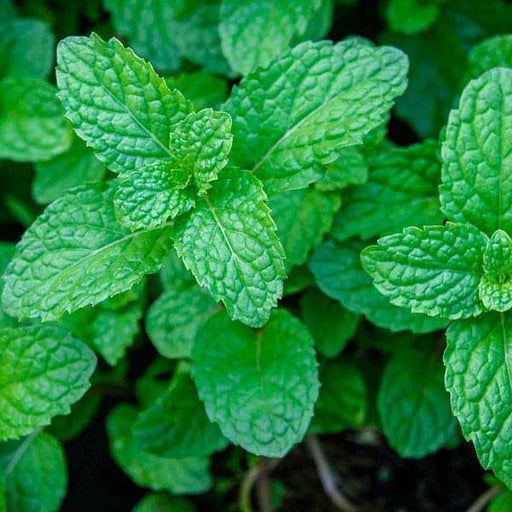
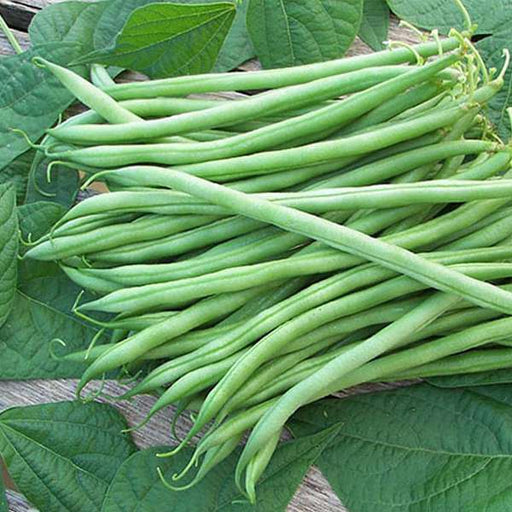
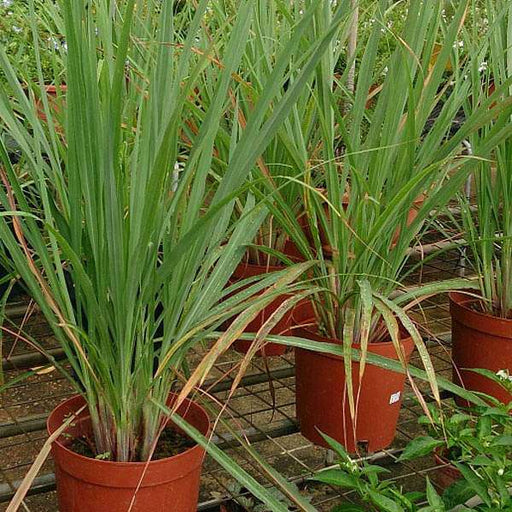
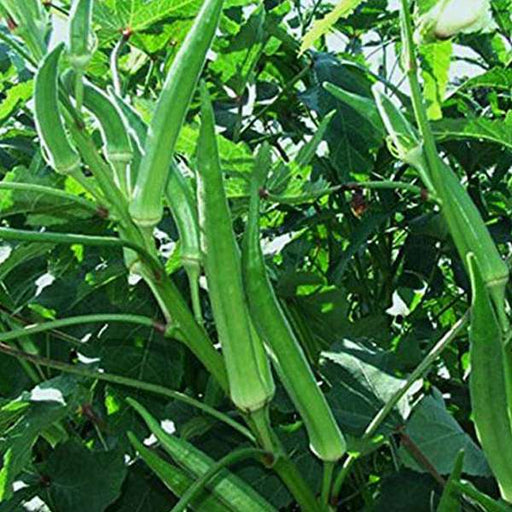
What are culinary plant seeds?
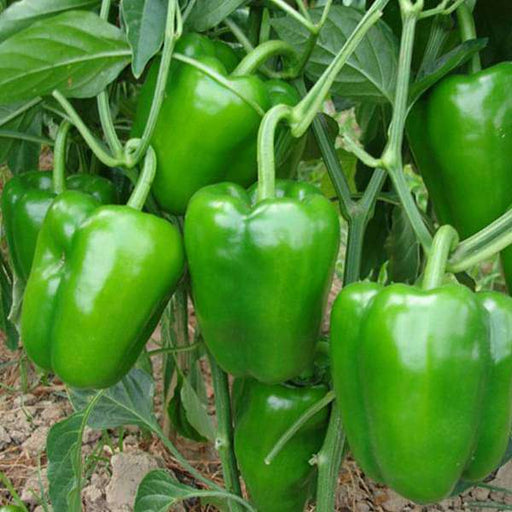
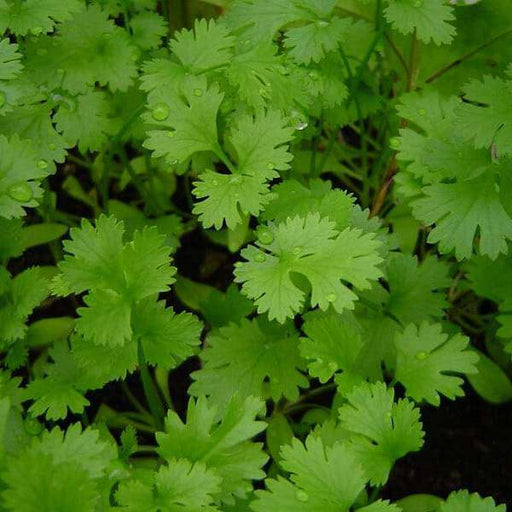
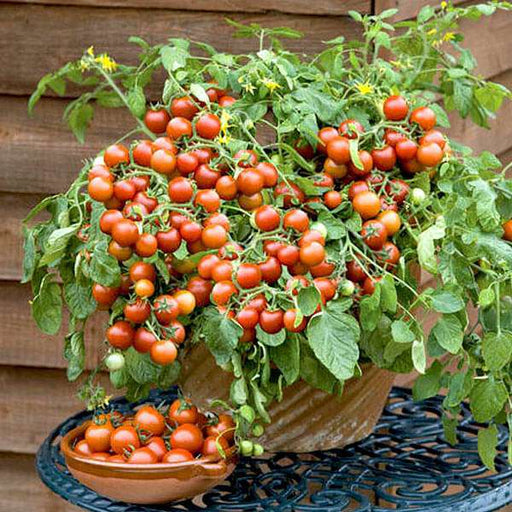
Culinary plant seeds are seeds that are used to grow herbs, vegetables, spices, and fruits that are used in cooking. These seeds are specifically chosen for their flavor and aroma and are used to add taste and depth to dishes.
What types of culinary plant seeds are available?
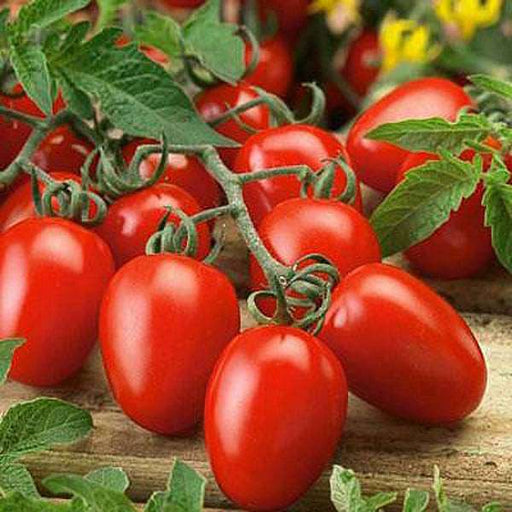
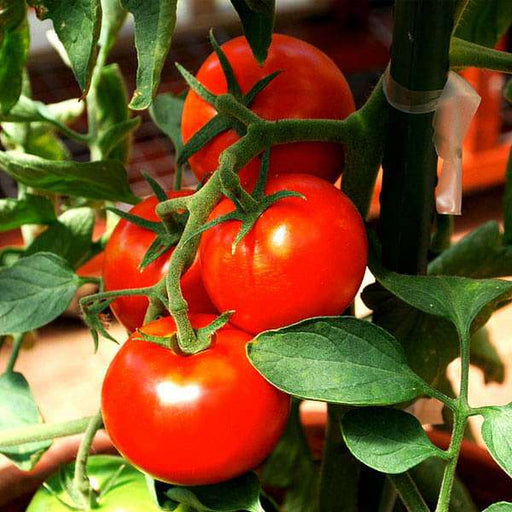
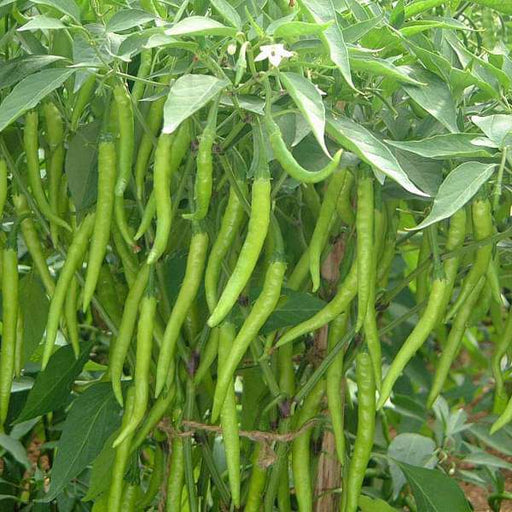
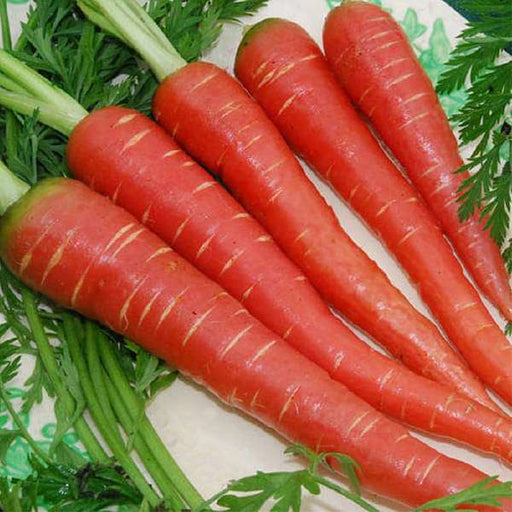
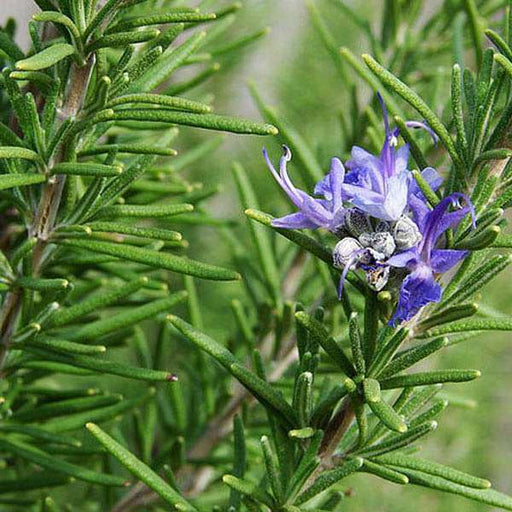
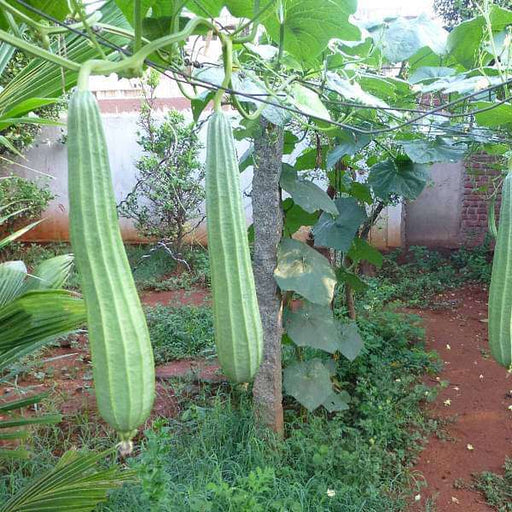
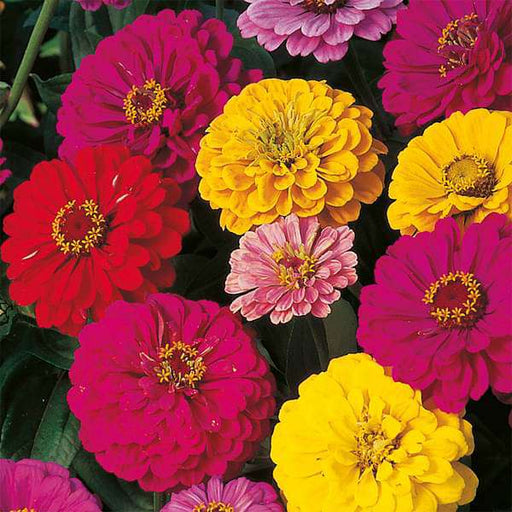
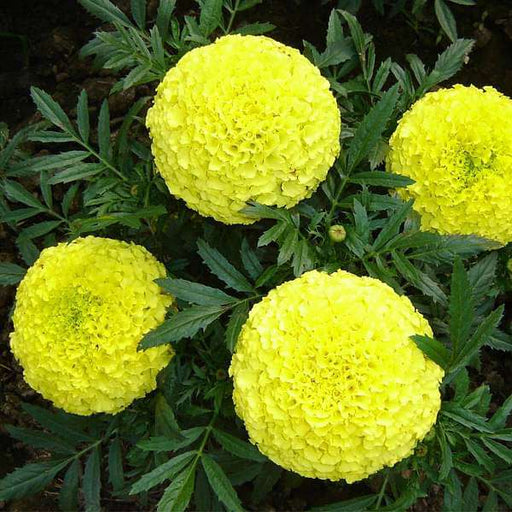
At Nurserylive, we offer a wide range of culinary plant seeds, including herb seeds, vegetable seeds, spice seeds, salad greens seeds, microgreen seeds, edible flower seeds, fruit seeds, root vegetable seeds, onion and garlic seeds, pepper seeds, curry leaf seeds, ginger and turmeric seeds, bay leaf seeds, cilantro seeds, mint seeds, sage seeds, rosemary seeds, chive seeds, dill seeds, and fennel seeds.
Can I grow culinary plant seeds indoors?
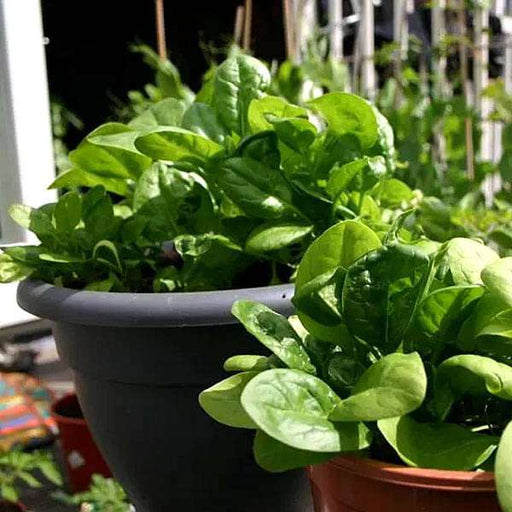
Yes, many culinary plant seeds can be grown indoors, especially herbs and salad greens. You can use pots or containers to grow them in a sunny window or under grow lights.
What is the best time of year to plant culinary plant seeds?
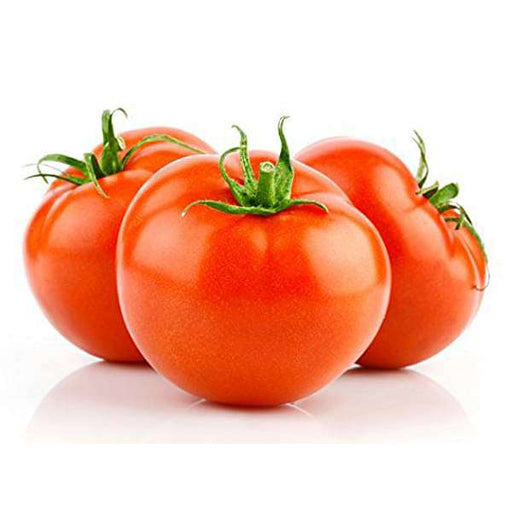
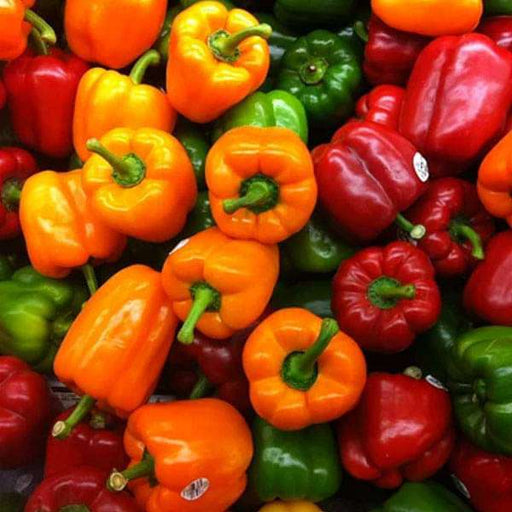
The best time of year to plant culinary plant seeds depends on the specific plant. Generally, cool-season crops like lettuce and spinach can be planted in early spring or fall, while warm-season crops like tomatoes and peppers should be planted in late spring or early summer.
Do culinary plant seeds require special soil?
Most culinary plant seeds can be grown in standard potting soil, but some may require specific soil conditions. Be sure to read the seed packet or consult with a gardening expert for specific soil requirements.
How often should I water my culinary plant seeds?
The watering requirements of culinary plant seeds vary depending on the specific plant, but in general, they should be kept consistently moist but not waterlogged.
Can I use culinary plant seeds to grow plants hydroponically?
Yes, many culinary plant seeds can be grown hydroponically, which is a method of growing plants without soil. This can be a great option for those with limited space or who want to grow plants indoors.
How long does it take for culinary plant seeds to sprout?
The germination time of culinary plant seeds varies depending on the specific plant, but in general, most seeds will sprout within 7-14 days.
Can I grow culinary plant seeds in containers?
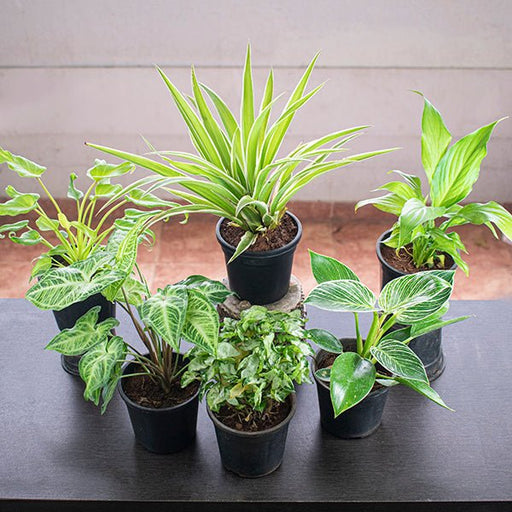
Yes, many culinary plant seeds can be grown in containers, which is a great option for those with limited space or who want to grow plants indoors. Be sure to choose a container that is large enough to accommodate the plant and has drainage holes.
How often should I fertilize my culinary plant seeds?
The fertilization requirements of culinary plant seeds vary depending on the specific plant, but in general, they should be fertilized every 2-4 weeks with a balanced fertilizer.
How do I know when my culinary plant seeds are ready to harvest?
The harvesting time of culinary plant seeds varies depending on the specific plant, but in general, you can harvest them when the plant is mature and the fruit or leaves are fully developed.
How do I store my culinary plant seeds?
Culinary plant seeds should be stored in a cool, dry place in an airtight container. Be sure to label the container with the name and date of the seeds.
How do I use culinary plant seeds in cooking?
Culinary plant seeds can be used in a variety of ways in cooking, depending on the specific plant. Herbs can be used fresh or dried, while vegetables and fruits can be roasted, sautéed, or used in salads. Spices can be used to add flavor to dishes or to create rubs and marinades.
Can I save seeds from my culinary plants to use for next year?
Yes, you can save seeds from your culinary plants to use for next year. Be sure to allow the plant to fully mature and develop the fruit or seeds before harvesting. Remove the seeds from the fruit and allow them to dry completely before storing them in an airtight container in a cool, dry place.
Are culinary plant seeds easy to grow?
Culinary plant seeds can be relatively easy to grow, especially herbs and salad greens. However, some plants may require specific growing conditions or may be more challenging to grow, so be sure to research the specific plant before planting.
Can I grow culinary plant seeds in a garden?
Yes, many culinary plant seeds can be grown in a garden. Be sure to choose a sunny spot with well-draining soil and follow the specific planting instructions for the plant.
Can I grow culinary plant seeds from kitchen scraps?
Some culinary plant seeds can be grown from kitchen scraps, such as onion and garlic. However, not all plants can be grown from scraps, so be sure to research the specific plant before attempting to grow it from a kitchen scrap.
How do I prevent pests and diseases from affecting my culinary plant seeds?
Preventing pests and diseases from affecting your culinary plant seeds starts with proper planting and care. Be sure to choose healthy seeds and plants, plant in well-draining soil, and provide adequate water and sunlight. Regularly inspect the plants for signs of pests or diseases and take appropriate measures if necessary, such as using organic pest control methods or removing infected plants.
Can I grow culinary plant seeds organically?
Yes, many culinary plant seeds can be grown organically using organic gardening methods. This involves using natural fertilizers, pest control methods, and soil amendments to grow healthy, nutritious plants without the use of synthetic chemicals.
How can I get started growing culinary plant seeds?
Getting started with growing culinary plant seeds is easy with Nurserylive. We offer a wide selection of high-quality seeds, along with expert advice and support to help you get the most out of your gardening experience. Simply choose your seeds, follow the planting and care instructions, and enjoy the delicious flavors and aromas of your own culinary garden.