What are the best seeds for kitchen gardening?
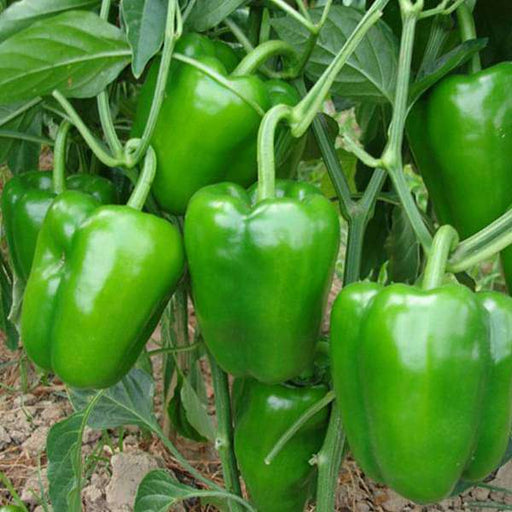
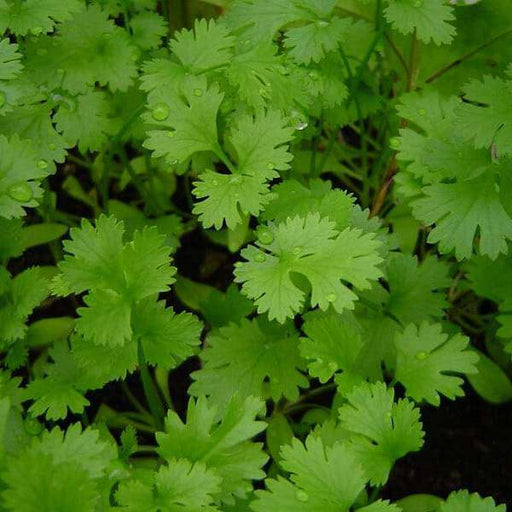
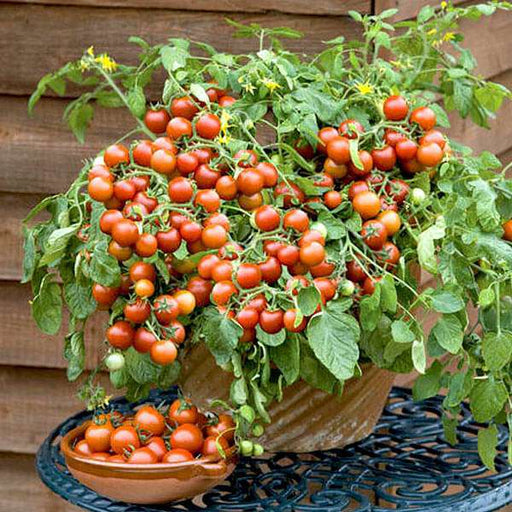
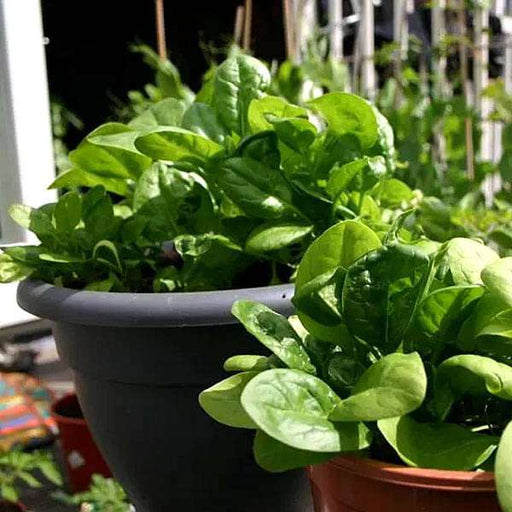
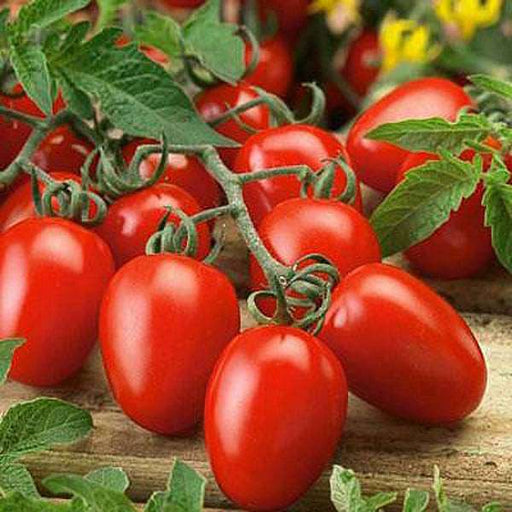
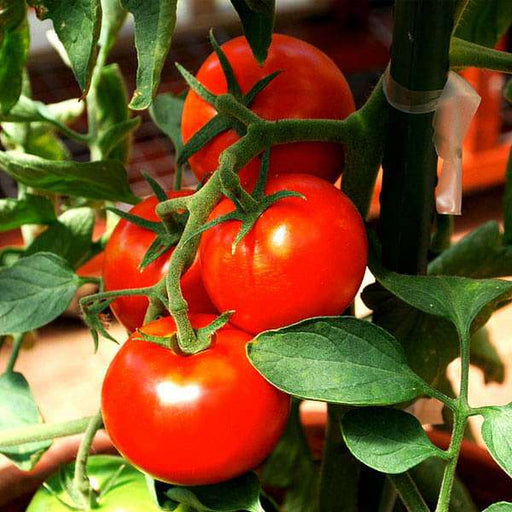
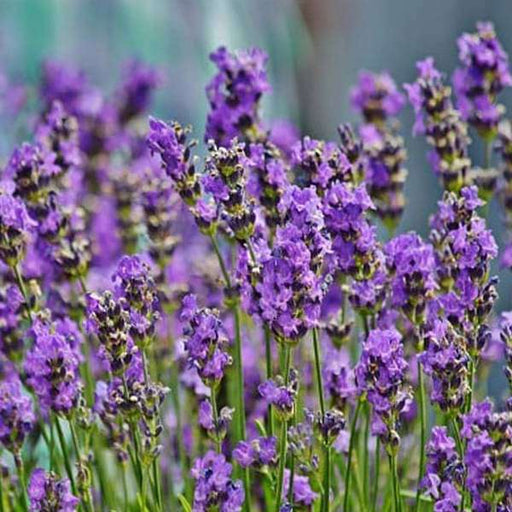
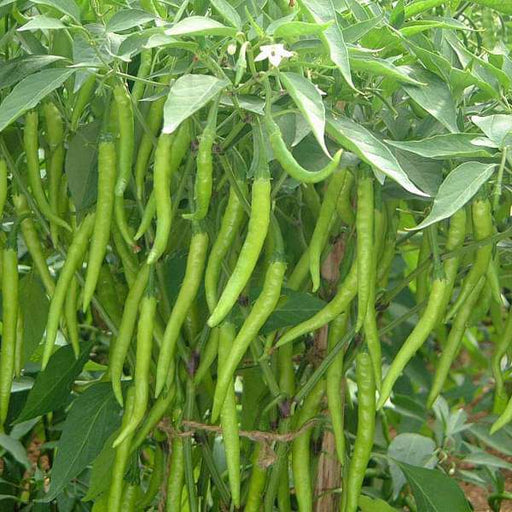
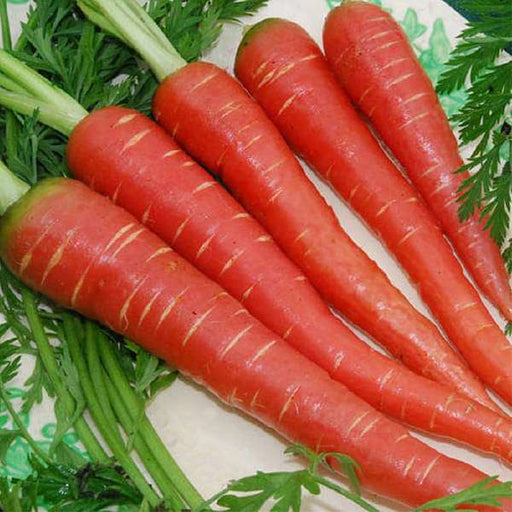
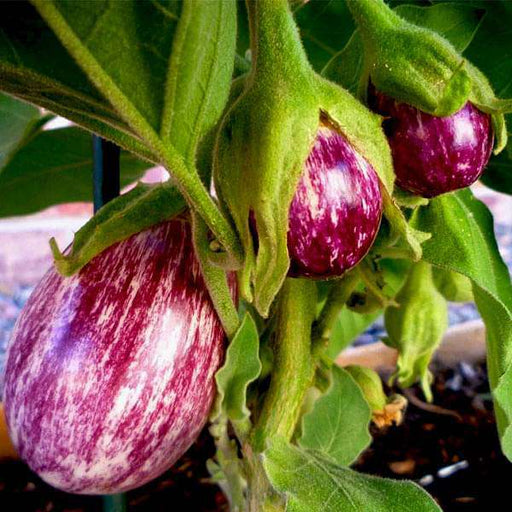
The top 12 seeds for kitchen gardening include tomatoes, basil, peppers, lettuce, cucumbers, carrots, radishes, spinach, green beans, zucchini, herbs, and garlic. These culinary champions not only spice up your meals but also thrive in small spaces, making them perfect for your kitchen garden. Get ready to unleash your inner chef!
How do I choose the right seeds?
Choosing the right seeds is like picking a dance partner; you want compatibility! Consider your climate, available space, and personal taste. Opt for seeds that suit your cooking style and are easy to grow. Remember, a happy gardener grows happy plants, so pick seeds that make your heart sing!
When is the best time to plant seeds?
Timing is everything, especially in gardening! Generally, spring is the prime time for planting most seeds. However, some cool-season crops can be sown in late summer or early fall. Check your local frost dates and plant accordingly. After all, you don’t want your seeds to freeze their little roots off!
How much sunlight do my seeds need?
Most kitchen garden seeds are sun worshippers, craving at least 6-8 hours of sunlight daily. However, some leafy greens are more laid-back and can tolerate partial shade. Just remember, too much shade can lead to sad, leggy plants. So, find that sweet spot and let the sun shine on your garden!
How often should I water my seeds?
Watering is like a first date; you want to keep it just right! Generally, seeds need consistent moisture but avoid drowning them. A good rule of thumb is to water when the top inch of soil feels dry. Remember, overwatering can lead to root rot, and nobody wants that drama in their garden!
What soil is best for kitchen gardening?
Think of soil as your plants' cozy blanket! A well-draining, nutrient-rich potting mix is ideal for kitchen gardening. Look for a blend that includes compost, peat moss, and perlite. This mix will keep your plants happy and healthy, ensuring they grow strong enough to withstand your culinary ambitions!
Can I grow seeds indoors?
Absolutely! Indoor gardening is like having a secret garden party. Many kitchen garden seeds, like herbs and salad greens, thrive indoors. Just ensure they get enough light, either from a sunny window or grow lights. Your kitchen will soon be the envy of all your friends, and your meals will be gourmet!
How do I store leftover seeds?
Storing leftover seeds is like keeping your favorite snacks hidden from others. Keep them in a cool, dry place, ideally in airtight containers. Label them with the date and type, and they’ll be ready for next season’s garden party. Just remember, seeds can lose viability over time, so use them wisely!
What pests should I watch out for?
Pests are the uninvited guests at your garden party! Common culprits include aphids, snails, and whiteflies. Keep an eye out for these little troublemakers and consider natural remedies like neem oil or companion planting to keep them at bay. After all, you want your plants to thrive, not become a buffet!
How do I know when to harvest?
Harvesting is like the grand finale of your gardening concert! Each plant has its own cue; for instance, tomatoes should be plump and red, while lettuce leaves should be crisp and vibrant. Regularly check your plants, and don’t be shy—pick them when they’re ripe for the best flavor in your dishes!
Can I save seeds from my harvest?
Yes, saving seeds is like keeping a family recipe alive! After harvesting, let seeds dry completely, then store them in a cool, dark place. Just ensure they’re from healthy plants to maintain quality. This way, you can create a never-ending cycle of deliciousness in your kitchen garden!


 Garden Potting Soil Mix (5 kg)
₹299
Garden Potting Soil Mix (5 kg)
₹299 Vermicompost (1 kg, set of 2)
₹179
Vermicompost (1 kg, set of 2)
₹179 Garden Essential Plant Care Kit
₹599
Garden Essential Plant Care Kit
₹599