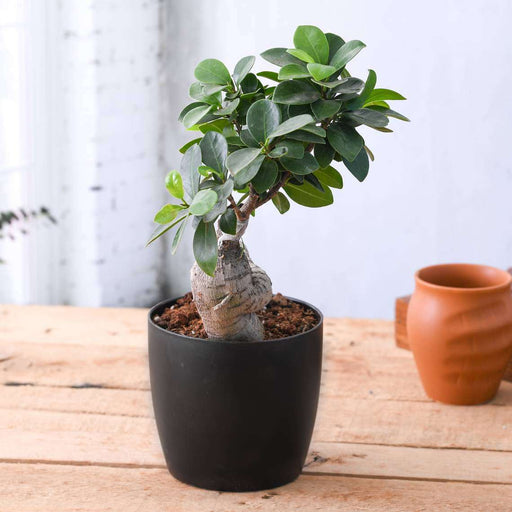
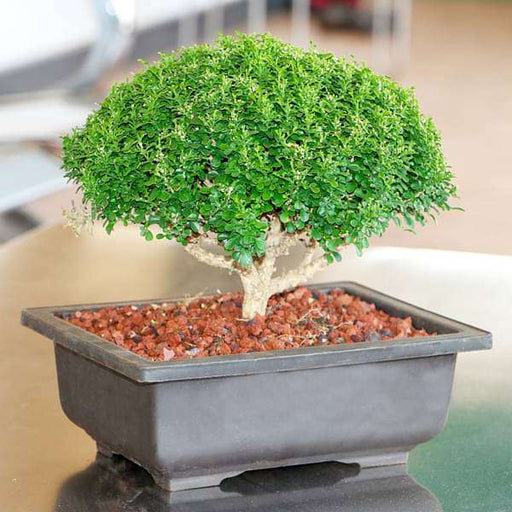
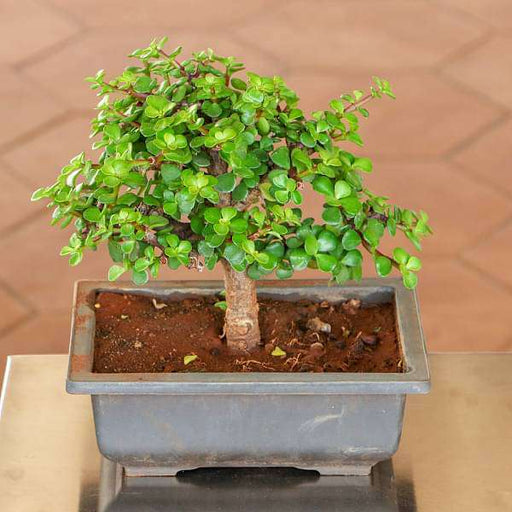
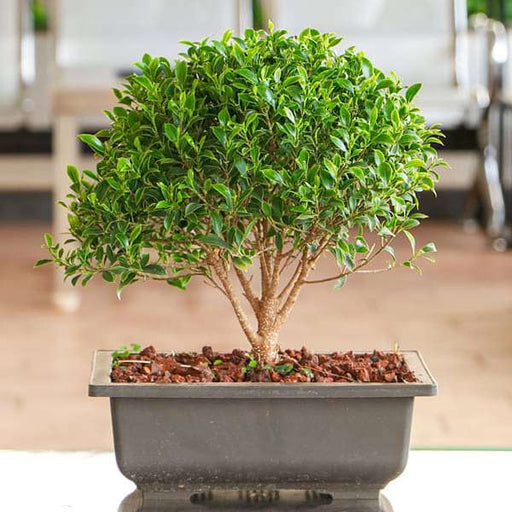
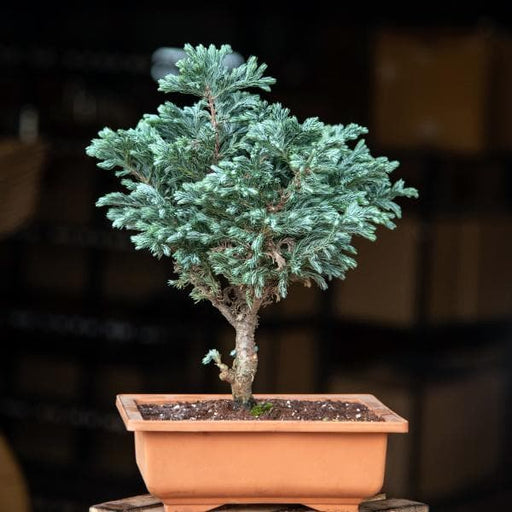
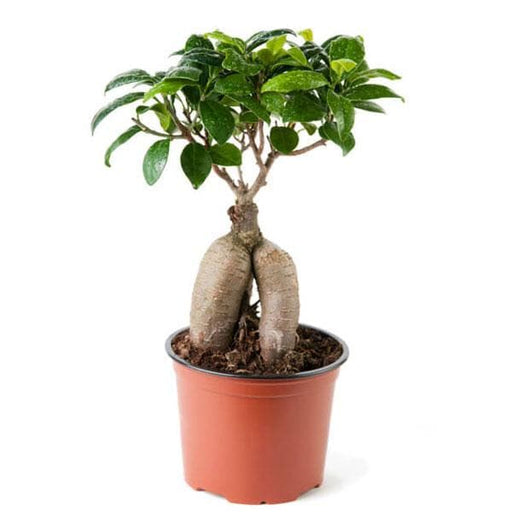
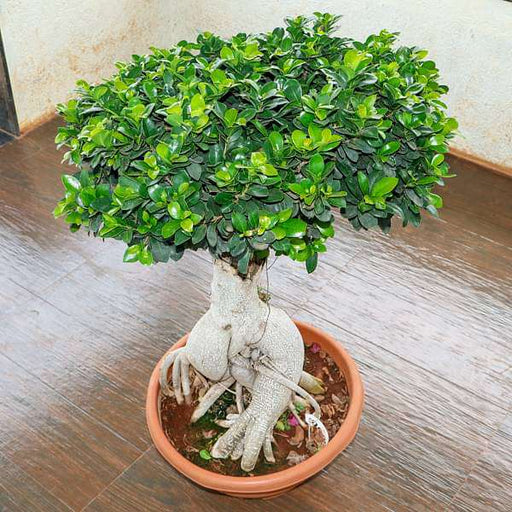
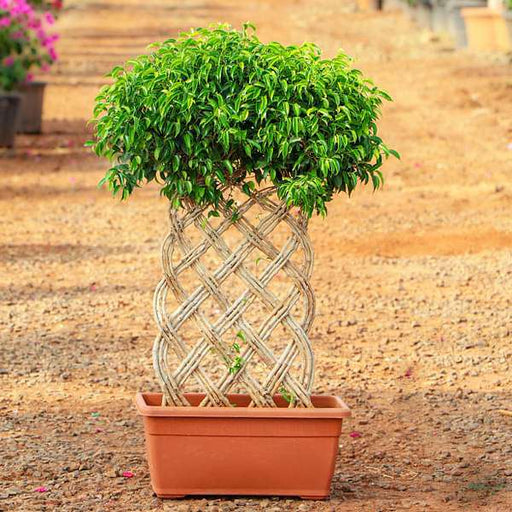
What is a bonsai plant?
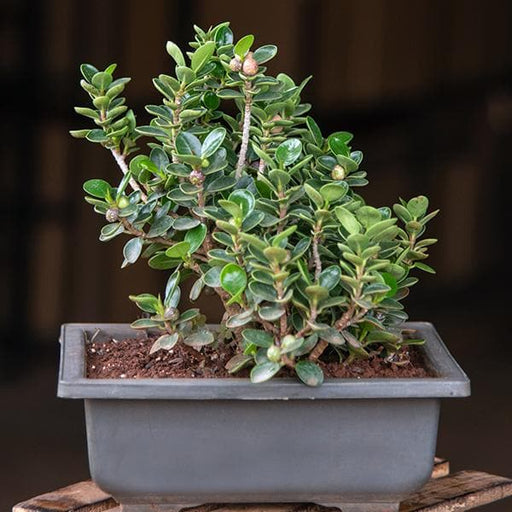
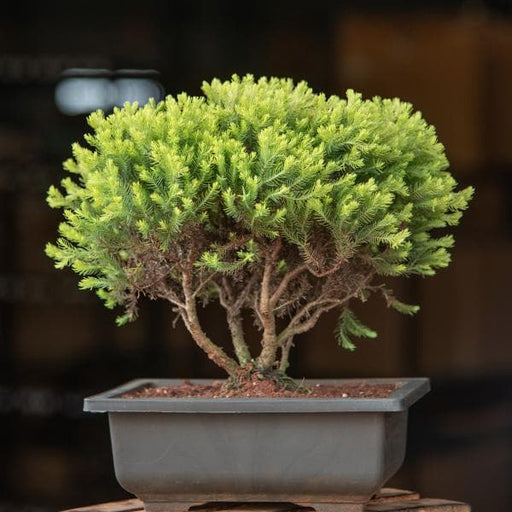
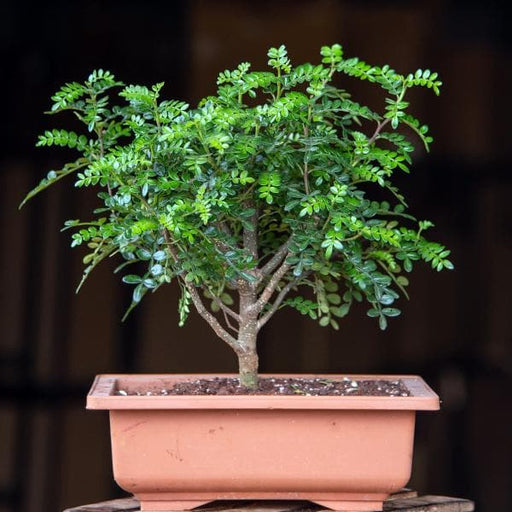
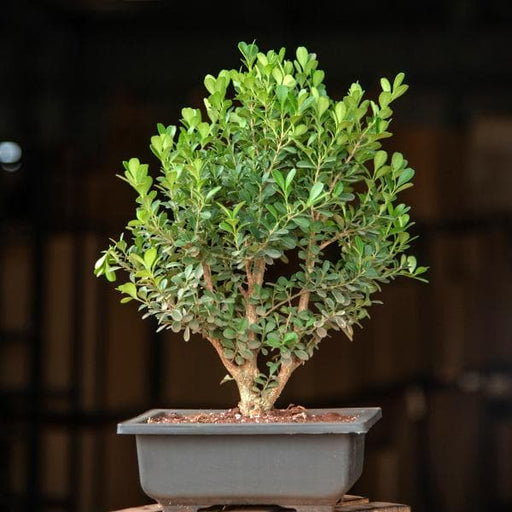
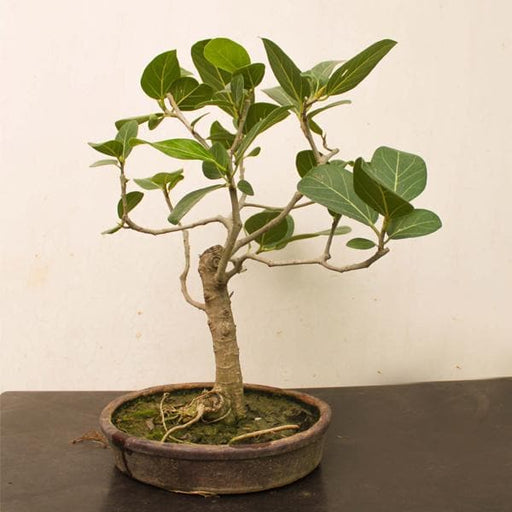
A bonsai plant is a miniature tree grown in a small container and trained to take on a specific shape or form through careful pruning, wiring, and other techniques.
Can bonsai plants be grown indoors?
Yes, many bonsai plants can be grown indoors as long as they are placed near a window with bright, indirect light and kept at a consistent temperature.
How often should I water my bonsai plant?
The frequency of watering your bonsai plant depends on factors such as the species of tree, the size of the container, and the soil type. Generally, bonsai plants should be watered when the top inch of soil is dry to the touch.
How do I fertilize my bonsai plant?
Fertilize your bonsai plant with a balanced fertilizer during the growing season, and use a slow-release fertilizer for long-term feeding.
What kind of soil is best for bonsai plants?
The best soil for bonsai plants is a well-draining, fast-drying soil mixture that is rich in organic matter and inorganic materials such as sand, pumice, or perlite.
How do I prune my bonsai plant?
Prune your bonsai plant regularly to maintain its shape and promote healthy growth. Use sharp pruning shears and cut just above a leaf node or bud to encourage new growth.
What tools do I need for bonsai gardening?
You will need a range of tools for bonsai gardening, including pruning shears, wire cutters, concave cutters, root hooks, and bonsai scissors.
How often should I repot my bonsai plant?
Bonsai plants should be repotted every 1-3 years, depending on the size of the container and the growth rate of the plant.
Can bonsai plants be propagated from cuttings?
Yes, bonsai plants can be propagated from cuttings, seeds, or layering techniques.
What are some common bonsai plant species in India?
Some common bonsai plant species in India include Ficus, Juniper, Chinese Elm, and Maple.
How do I wire my bonsai plant?
Wiring your bonsai plant involves wrapping copper or aluminum wire around the branches and trunk to shape them into the desired form. Wire should be removed after a few months to prevent it from cutting into the bark.
How do I prevent pests and diseases in my bonsai plant?
Prevent pests and diseases in your bonsai plant by keeping it healthy and free of debris, using a well-draining soil mix, and treating any issues promptly with organic or chemical solutions.
Can bonsai plants be grown from fruit trees?
Yes, many fruit trees can be grown as bonsai plants, including citrus, apple, and pomegranate.
How do I display my bonsai plant?
Display your bonsai plant in a well-lit area with a simple backdrop to highlight its beauty. You can also use stands or accent pieces to add visual interest.
How do I shape my bonsai plant?
Shape your bonsai plant through careful pruning, wiring, and other techniques such as defoliation or clip and grow.
Can bonsai plants be grown from cuttings?
Yes, bonsai plants can be grown from cuttings taken from the mother plant and planted in well-draining soil with rooting hormone.
How do I protect my bonsai plant from extreme temperatures?
Protect your bonsai plant from extreme temperatures by placing it in a location with consistent temperatures and providing extra insulation during cold snaps.
Can bonsai plants be grown from seed?
Yes, bonsai plants can be grown from seed, but it may take several years to see the desired results.
How do I choose a bonsai plant for my home?
Choose a bonsai plant based on your personal preferences, the available space, and the amount of time you are willing to dedicate to its care. Consider the species, shape, and size of the tree, as well as the style of the container.
How do I know when to prune my bonsai plant?
Prune your bonsai plant when it is actively growing and has reached the desired shape or size. Avoid pruning during periods of dormancy or stress.
Can bonsai plants be grown in terrariums?
Yes, bonsai plants can be grown in terrariums as long as the container is large enough to accommodate their root system and they receive adequate light and ventilation.
What is the best time of year to repot my bonsai plant?
The best time of year to repot your bonsai plant is in the spring or early summer, when the tree is actively growing and can recover quickly from the shock of repotting.
How do I train my bonsai plant to grow in a certain direction?
Train your bonsai plant to grow in a certain direction by using wire to gently bend the branches and trunk into the desired shape. Be careful not to damage the bark or leaves.
What is the difference between indoor and outdoor bonsai plants?
Indoor bonsai plants are typically species that thrive in low light and moderate temperatures, while outdoor bonsai plants are more cold-hardy and require full sun and seasonal changes in temperature.
Can bonsai plants be grown from succulents?
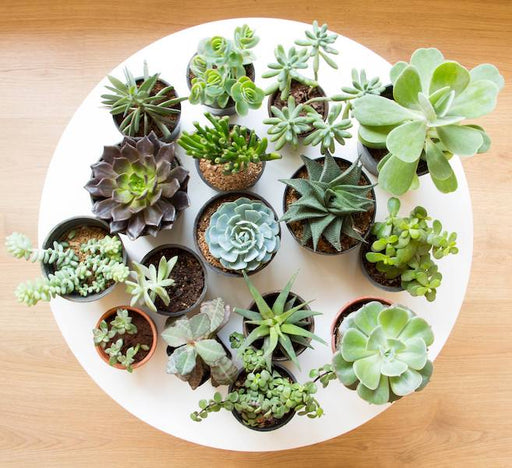
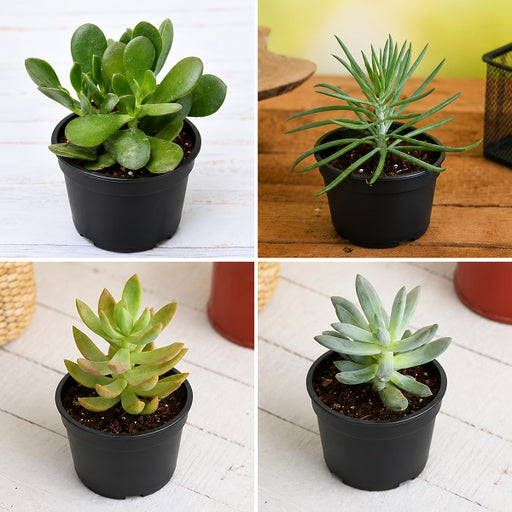
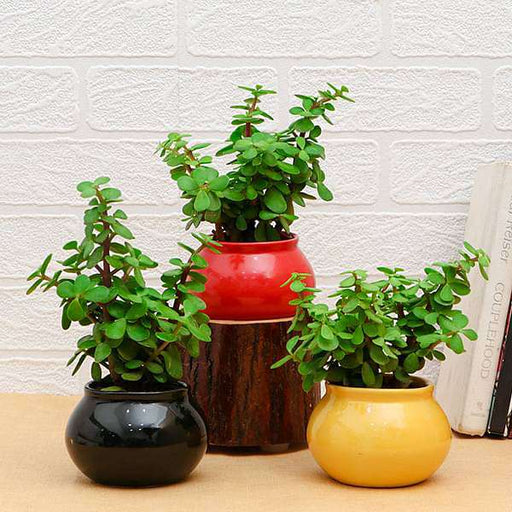
Yes, succulent species such as Crassula, Sedum, and Echeveria can be grown as bonsai plants.
How do I choose the right container for my bonsai plant?
Choose a container that is proportional to the size and style of your bonsai plant and has adequate drainage holes. Consider the material of the container and its color and texture as well.
How do I create a bonsai landscape?
Create a bonsai landscape by selecting a variety of species with complementary colors, shapes, and sizes, and arranging them in a container with soil and accent pieces such as rocks or figurines.
How do I fertilize my bonsai plant during the winter?
Reduce the frequency of fertilizer application during the winter months, and use a lower nitrogen formula to promote root growth and winter hardiness.
What are some common mistakes to avoid when growing bonsai plants?
Common mistakes to avoid when growing bonsai plants include overwatering, underwatering, improper pruning, using the wrong soil mix, and neglecting to repot the plant when necessary.
How long does it take to grow a mature bonsai plant?
Growing a mature bonsai plant can take anywhere from 3-10 years or more, depending on the species, growth rate, and desired size and shape of the tree. Patience and dedication are key to success in bonsai gardening.