Skip to content

Zanthoxylum rhetsa

Sold out
Original price ₹ 249
₹ 249
₹ 249
Current price ₹ 249

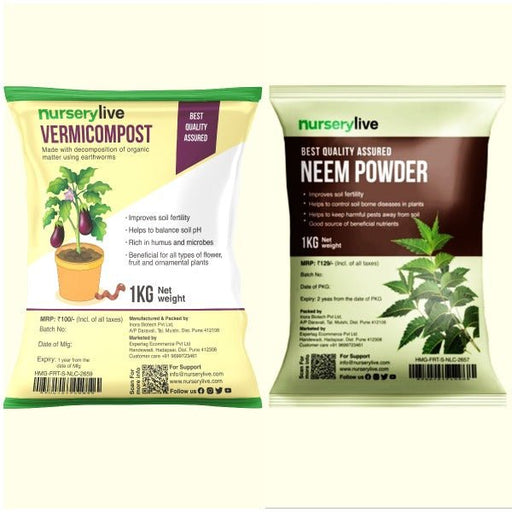
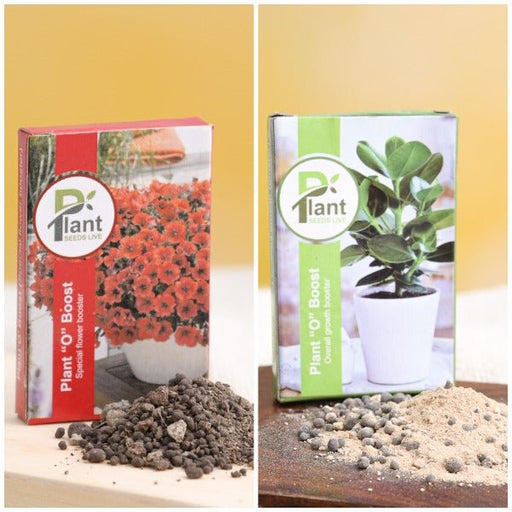
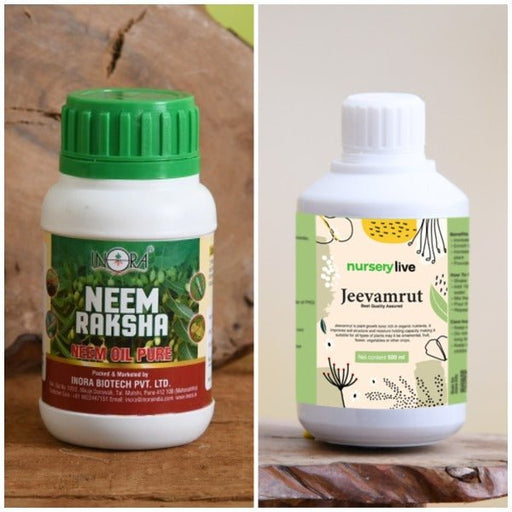
Product includes

SrNoItem Name
1Zanthoxylum rhetsa

Zanthoxylum rhetsa - The Aromatic Spice Tree

Zanthoxylum rhetsa, commonly known as the aromatic spice tree, is a tropical tree native to Southeast Asia. Renowned for its unique, fragrant bark and leaves, this plant is a member of the Rutaceae family. The tree can grow up to 20 meters tall and produces small, yellowish flowers that attract various pollinators. Its fruit, resembling small peppercorns, is not only a culinary delight but also has medicinal properties.

This remarkable tree is special due to its multifaceted uses in traditional medicine and cuisine. The bark and leaves are often used in local dishes, imparting a distinctive flavor. Additionally, Zanthoxylum rhetsa has been utilized in folk medicine for its anti-inflammatory and analgesic properties, making it a valuable addition to any herbal garden.

One of the standout features of Zanthoxylum rhetsa is its ability to thrive in diverse environments, from tropical rainforests to subtropical regions. Its resilience and adaptability make it an excellent choice for sustainable landscaping and agroforestry, contributing positively to local ecosystems.

Growing Instructions

  • Plant in well-drained, loamy soil with a pH of 6.0 to 7.5.
  • Choose a location with full sun to partial shade for optimal growth.
  • Water regularly, especially during dry spells, but avoid waterlogging.
  • Space plants at least 3 meters apart to allow for their mature size.

Care Instructions

  • Fertilize with a balanced fertilizer every 6-8 weeks during the growing season.
  • Prune to maintain shape and remove any dead or diseased branches.
  • Monitor for pests such as aphids and scale; treat with organic insecticides if necessary.
  • Mulch around the base to retain moisture and suppress weeds.

Uses

  • Utilized in culinary dishes for its aromatic flavor, often in soups and curries.
  • Medicinally, the bark and leaves are used to treat various ailments, including digestive issues.
  • Wood is durable and can be used for crafting furniture and utensils.
  • Leaves can be used to make herbal teas with potential health benefits.

Fun Facts

  • Zanthoxylum rhetsa is often referred to as "toothache tree" due to its numbing properties.
  • The tree's fruit is known to have a peppery taste, making it a popular spice in local cuisines.
  • Historically, indigenous communities have used the tree for centuries in traditional medicine.
  • This species plays a vital role in its ecosystem, providing habitat and food for various wildlife.

Zanthoxylum rhetsa Benefits

If you’re looking for a tree that doubles as a wellness guru, look no further than the Zanthoxylum rhetsa. This botanical wonder is not just a pretty face; it’s packed with medicinal properties. From its bark to its leaves, this tree has been used in traditional medicine to treat everything from digestive issues to skin ailments. So, if you’re feeling under the weather, consider taking a stroll under this leafy giant. Who knew a tree could be your new best friend in health?

Zanthoxylum rhetsa Habitat

a tropical paradise where the Zanthoxylum rhetsa thrives like a celebrity at a red carpet event. This tree loves warm, humid climates and can often be found in the lush forests of Southeast Asia. It’s the kind of tree that enjoys a good sunbath and a splash of rain, making it the ultimate diva of the plant world. So, if you’re planning a trip to its natural habitat, don’t forget your sunscreen and a good book to read under its shade.

Zanthoxylum rhetsa Uses

The Zanthoxylum rhetsa isn’t just a pretty tree; it’s a multitasking marvel! From culinary delights to traditional medicine, this tree has a resume that would make any job seeker envious. Its fruits are often used as a spice, adding a zing to your dishes that will have your taste buds dancing. Meanwhile, its bark and leaves are brewed into teas and tinctures, proving that this tree is not just a one-trick pony. Talk about versatility!

Zanthoxylum rhetsa Cultivation

If you’ve ever dreamed of being a tree parent, the Zanthoxylum rhetsa is a fantastic choice. Cultivating this tree is like hosting a low-maintenance pet that grows tall and majestic. It thrives in well-drained soil and loves a good dose of sunlight. Just remember to give it some space to spread its branches and watch it flourish. With a little patience and care, you’ll have a stunning tree that will be the envy of your neighborhood.

Zanthoxylum rhetsa Characteristics

The Zanthoxylum rhetsa is not your average tree; it’s a showstopper! With its striking green leaves and unique, spiky fruits, this tree knows how to make an entrance. It can grow up to 20 meters tall, towering over its peers like a gentle giant. Its bark is rough and textured, giving it a rugged charm that’s hard to resist. If trees had personalities, the Zanthoxylum rhetsa would be the charismatic friend who always steals the spotlight.

Zanthoxylum rhetsa Propagation

Want to spread the love of Zanthoxylum rhetsa? Propagation is easier than you think! This tree can be grown from seeds or cuttings, making it a perfect project for aspiring green thumbs. Just plant the seeds in well-drained soil, give them some water, and watch the magic happen. Before you know it, you’ll have a mini forest of Zanthoxylum rhetsa sprouting up, ready to take on the world. Who knew gardening could be this rewarding?

Zanthoxylum rhetsa Conservation

In a world where trees are disappearing faster than your favorite snacks, the Zanthoxylum rhetsa is in need of a superhero. Conservation efforts are crucial to protect this magnificent tree from deforestation and habitat loss. By supporting sustainable practices and raising awareness, we can ensure that future generations will enjoy the beauty and benefits of this tree. So, put on your cape and join the fight to save the Zanthoxylum rhetsa—every little effort counts!

Zanthoxylum rhetsa in Culture

The Zanthoxylum rhetsa isn’t just a tree; it’s a cultural icon! In many regions, this tree holds significant cultural and spiritual value. Its fruits and leaves are often used in traditional rituals and ceremonies, making it a staple in local customs. So, the next time you see a Zanthoxylum rhetsa, remember that it’s not just a tree; it’s a living piece of history and tradition, standing tall and proud in the cultural landscape.

Zanthoxylum rhetsa Pests

Even the mighty Zanthoxylum rhetsa has its foes! Pests can be a real pain in the bark, but fear not—this tree has some tricks up its sleeve. While it’s generally resilient, it can attract pests like aphids and caterpillars. Regular monitoring and natural pest control methods can keep these pesky invaders at bay. After all, every tree deserves a little pampering to maintain its regal stature!

Zanthoxylum rhetsa and Climate Change

The Zanthoxylum rhetsa is not just a tree; it’s a climate warrior! As climate change continues to wreak havoc, this tree plays a vital role in maintaining ecological balance. Its ability to sequester carbon and provide habitat for wildlife makes it an unsung hero in the fight against climate change. So, let’s give a round of applause to the Zanthoxylum rhetsa for doing its part in keeping our planet healthy and happy!

Zanthoxylum rhetsa and Biodiversity

The Zanthoxylum rhetsa is a key player in the biodiversity game! This tree provides essential habitat and food for various species, from birds to insects. By supporting the ecosystem, it helps maintain the delicate balance of nature. So, the next time you admire this tree, remember that it’s not just a pretty sight; it’s a vital contributor to the rich tapestry of life on Earth. Let’s celebrate the Zanthoxylum rhetsa for being a true team player in biodiversity!

Trending Collections

Save 40% with Gardening Solutions

You may also need

FAQ

What is Zanthoxylum rhetsa?

Zanthoxylum rhetsa, also known as the prickly ash, is a tree native to tropical regions. It’s famous for its aromatic bark and leaves, which can spice up your culinary adventures. Think of it as nature’s way of adding a little zing to your life—just don’t confuse it with your average ash tree!

Where can I find Zanthoxylum rhetsa?

You can find Zanthoxylum rhetsa in the lush tropical forests of Southeast Asia. It thrives in warm, humid climates, so if you’re planning a vacation, consider a botanical tour. Just remember, it’s not a souvenir you can easily pack in your suitcase—unless you’re a tree-hugging magician!

What are the uses of Zanthoxylum rhetsa?

Zanthoxylum rhetsa is a multitasker! Its bark and leaves are used in traditional medicine, while the seeds can spice up your dishes. It’s like the Swiss Army knife of the plant world—healing, flavoring, and even providing a bit of a buzz. Who knew a tree could be so versatile

Is Zanthoxylum rhetsa safe to consume?

While Zanthoxylum rhetsa is generally safe in culinary doses, moderation is key. Too much of this spicy delight can lead to a fiery experience—think of it as nature’s way of reminding you to take it easy. Always consult a herbalist or doctor if you’re unsure; your taste buds will thank you!

What are the health benefits of Zanthoxylum rhetsa?

Zanthoxylum rhetsa is believed to have anti-inflammatory and analgesic properties. It’s like a natural painkiller, minus the side effects of a pharmacy. Whether you’re battling a headache or just need a little pick-me-up, this plant might just be your new best friend—just don’t expect it to brew your morning coffee!

How do you use Zanthoxylum rhetsa in cooking?

Using Zanthoxylum rhetsa in cooking is as easy as pie—spicy pie, that is! You can grind the seeds into a powder or use the leaves to infuse flavor into soups and stews. Just remember, a little goes a long way; you want to enhance your dish, not set off a flavor explosion!

Can Zanthoxylum rhetsa be grown at home?

Absolutely! If you have a green thumb and a warm climate, Zanthoxylum rhetsa can be your new gardening project. Just ensure it has plenty of sunlight and well-drained soil. With a bit of love and care, you’ll have your very own prickly ash tree—just watch out for those thorns!

What are the side effects of Zanthoxylum rhetsa?

While Zanthoxylum rhetsa is generally safe, overindulgence can lead to digestive discomfort. Think of it as a spicy party that got a little out of hand. Always start with small amounts to gauge your tolerance, and remember: moderation is the name of the game when it comes to this zesty plant!

Is Zanthoxylum rhetsa used in traditional medicine?

Yes, Zanthoxylum rhetsa has a long history in traditional medicine, especially in Ayurvedic practices. It’s often used to treat ailments like pain and inflammation. It’s like having a wise old herbalist in your backyard—just don’t expect it to wear a lab coat or give you a prescription!

How does Zanthoxylum rhetsa compare to other spices?

Zanthoxylum rhetsa stands out in the spice world with its unique numbing sensation and citrusy flavor. It’s like the quirky cousin at a family reunion—different, but everyone loves it! While it may not replace your go-to spices, it definitely adds a fun twist to your culinary repertoire.

Is Zanthoxylum rhetsa environmentally friendly?

Yes, Zanthoxylum rhetsa is considered environmentally friendly! It grows well in its native habitat and supports local ecosystems. By planting this tree, you’re not just adding spice to your life; you’re also giving Mother Nature a high-five. It’s a win-win for you and the planet!