Freesia Bulbs
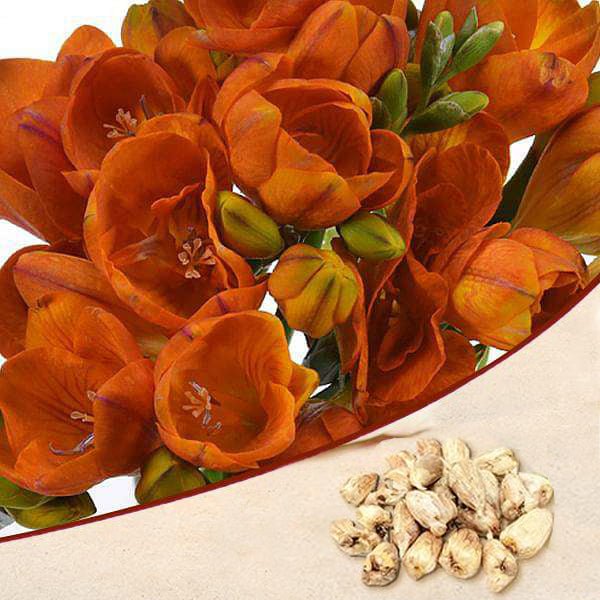
These delightful little orbs of potential are the starting point for your fragrant garden adventure. Freesia bulbs are like the secret agents of the plant world, hiding underground until they burst forth with vibrant blooms. Plant them in well-drained soil, and watch as they transform your garden into a colorful paradise. Just remember, they prefer a sunny spot—no one likes to be left in the dark!
Orange Freesia Flowers
If you’re looking to add a pop of color to your garden, look no further than the orange freesia. These flowers are like the life of the party, bringing warmth and cheer wherever they bloom. With their sweet fragrance and striking hue, they’re sure to attract attention—and maybe even a few butterflies. Just be prepared for compliments!
Freesia Plant Care
Caring for freesia plants is like nurturing a diva; they need just the right amount of attention. Ensure they have well-drained soil, regular watering, and a sunny spot to thrive. Don’t forget to deadhead spent blooms to encourage new growth. With a little TLC, your freesia will reward you with a stunning display that’ll make your neighbors green with envy.
Freesia Flower Meaning
The freesia flower is not just a pretty face; it carries a bouquet of meanings! Symbolizing friendship and innocence, these blooms are perfect for gifting to your bestie or that special someone. They say, “I appreciate you!” without uttering a single word. So, next time you want to express your feelings, consider a bouquet of these fragrant beauties.
Freesia Bulb Planting Tips
Planting freesia bulbs is like setting the stage for a floral performance. Choose a sunny location, dig a hole about 4 inches deep, and place the bulb with the pointed end facing up. Cover it with soil, water it gently, and voilà! You’ve just planted the star of your garden show. Just remember to give them space to grow; they don’t like to be crowded!
Freesia Fragrance
The scent of freesia is like a breath of fresh air on a spring day. With its sweet, citrusy aroma, it’s no wonder these flowers are a favorite in bouquets and perfumes. Their fragrance can uplift your mood and transport you to a sunlit garden, even if you’re stuck in a cubicle. Who needs aromatherapy when you have freesia?
Freesia Color Variations
While orange freesia steals the spotlight, these flowers come in a dazzling array of colors. From soft pastels to vibrant hues, there’s a freesia for every personality. Mix and match colors in your garden for a stunning visual feast. Just be careful not to create a color clash that would make even Picasso raise an eyebrow!
Freesia Bulb Storage
Storing freesia bulbs is like tucking away a treasure for the next planting season. After the blooms fade, let the foliage die back naturally, then carefully dig up the bulbs. Store them in a cool, dry place until it’s time to plant again. Just don’t forget where you hid them; they can be quite the elusive little gems!
Freesia Companion Plants
Pairing freesia with the right companion plants is like finding the perfect dance partner. Consider planting them alongside daisies or snapdragons for a colorful and harmonious garden. These companions will not only enhance each other’s beauty but also create a lively atmosphere that’ll have your garden buzzing with life.
Freesia Growing Zones
Knowing the right growing zones for freesia is crucial for their success. These beauties thrive in USDA zones 9-11, where the climate is just right for their sunny disposition. If you live in a cooler area, don’t fret! You can still enjoy their charm by planting them in pots and bringing them indoors during chilly nights.
Freesia Bulb Lifespan
The lifespan of freesia bulbs is like a well-kept secret. With proper care, these bulbs can bloom year after year, providing you with a continuous display of color and fragrance. Just remember to give them a little break after blooming; they need some downtime to recharge their floral batteries before the next show!