Skip to content

Allamanda Plants

Result: 27 products. Allamanda Plants Collection Discover the vibrant beauty of our Allamanda Plants collection, featuring a stunning array of tropical flowering plants known for their stri . . read more ›
Original price ₹ 1,396
Original price ₹ 1,396 - Original price ₹ 1,396
Original price ₹ 1,396
Current price ₹ 1,047
₹ 1,047 - ₹ 1,047
Current price ₹ 1,047

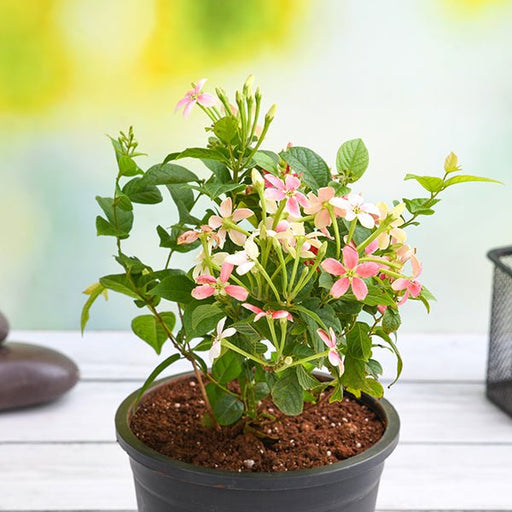
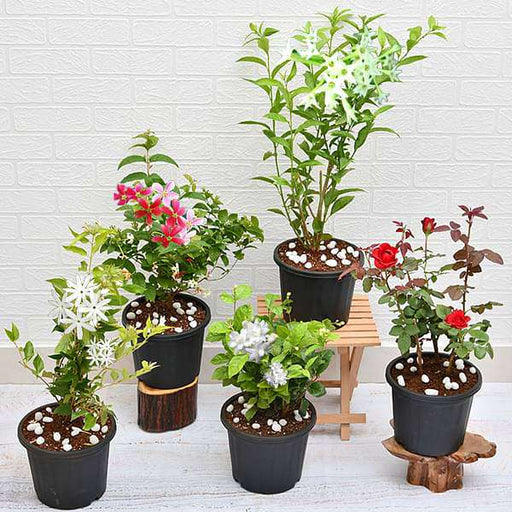
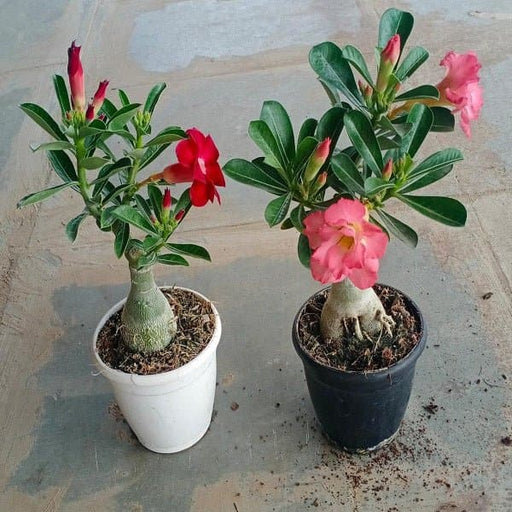
Top 4 All Year Flowering Plants Pack

Top 4 All Year Flowering Plants Pack Transform your garden into a vibrant oasis with our Top 4 All Year Flowering Plants Pack. This carefully cura...

View full details
Original price ₹ 1,396
Original price ₹ 1,396 - Original price ₹ 1,396
Original price ₹ 1,396
Current price ₹ 1,047
₹ 1,047 - ₹ 1,047
Current price ₹ 1,047
Save 25% Save %
Original price ₹ 24,909
Original price ₹ 24,909 - Original price ₹ 24,909
Original price ₹ 24,909
Current price ₹ 21,999
₹ 21,999 - ₹ 21,999
Current price ₹ 21,999

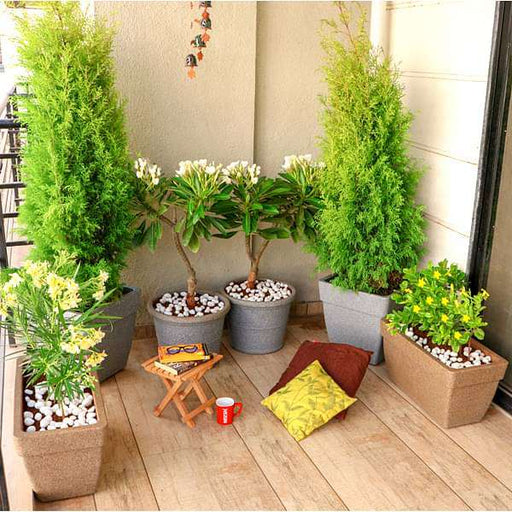
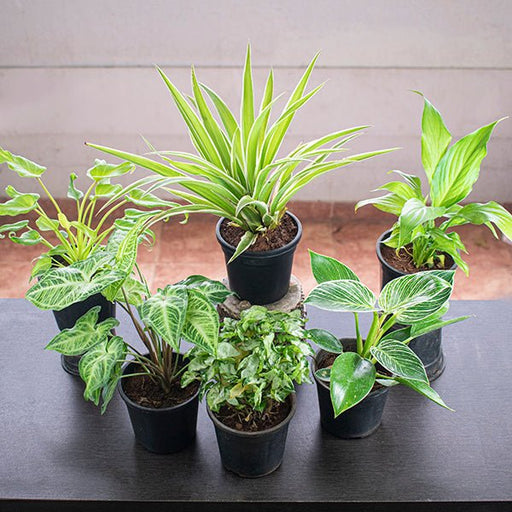
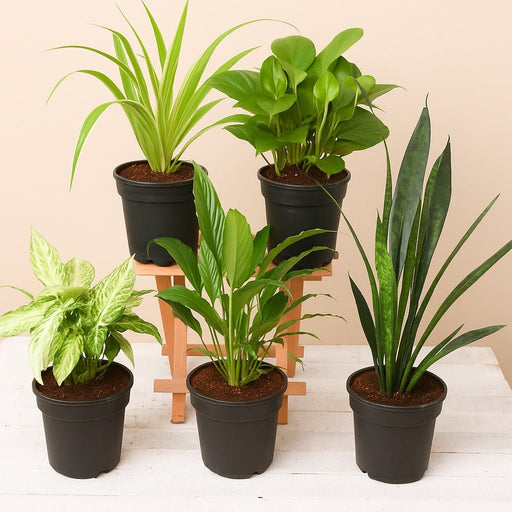
Create a Green Corner with Gardening in Balcony

Create a Green Corner with Gardening in Balcony Transform your balcony into a lush green oasis with our 'Create a Green Corner with Garden...

View full details
Original price ₹ 24,909
Original price ₹ 24,909 - Original price ₹ 24,909
Original price ₹ 24,909
Current price ₹ 21,999
₹ 21,999 - ₹ 21,999
Current price ₹ 21,999
Sold out
Original price ₹ 6,054
Original price ₹ 6,054 - Original price ₹ 6,054
Original price ₹ 6,054
Current price ₹ 4,099
₹ 4,099 - ₹ 4,099
Current price ₹ 4,099

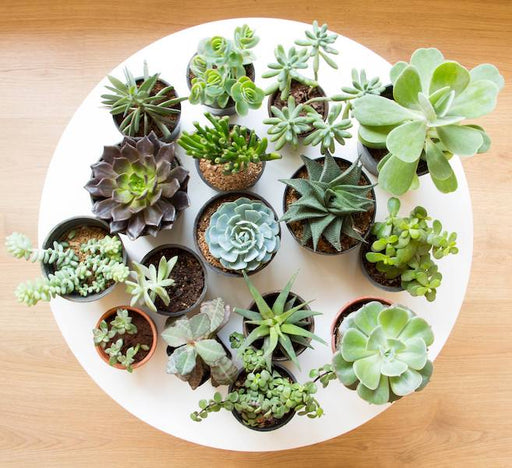
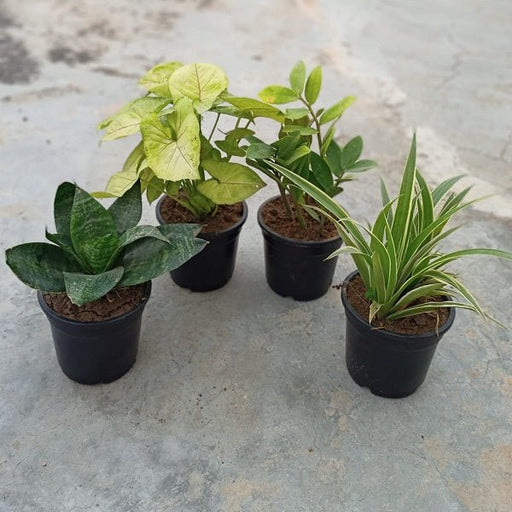
Compact 1BHK (Economy) Plant Decor Pack

Compact 1BHK (Economy) Plant Decor Pack Transform your living space into a lush oasis with our Compact 1BHK (Economy) Plant Decor Pack. Th...

View full details
Original price ₹ 6,054
Original price ₹ 6,054 - Original price ₹ 6,054
Original price ₹ 6,054
Current price ₹ 4,099
₹ 4,099 - ₹ 4,099
Current price ₹ 4,099
Sold out

Allamanda Plants Collection

Discover the vibrant beauty of our Allamanda Plants collection, featuring a stunning array of tropical flowering plants known for their striking yellow and pink blooms. These hardy, fast-growing plants are perfect for adding a splash of color to your garden or patio. With their lush foliage and eye-catching flowers, Allamanda plants are not only visually appealing but also easy to care for, making them a favorite among gardeners of all skill levels.

What makes Allamanda plants special is their ability to thrive in various conditions, from sunny gardens to shaded patios. Their fragrant flowers attract pollinators like bees and butterflies, contributing to a healthy ecosystem. Additionally, Allamanda plants are known for their resilience, making them an excellent choice for those looking to enhance their outdoor spaces with minimal effort.

Growing Allamanda plants is a rewarding experience. They can be used as ornamental plants, in hedges, or as climbing vines. With proper care, these plants can bloom year-round in suitable climates, providing continuous beauty and enjoyment. Explore our collection today and bring the tropical charm of Allamanda plants into your home or garden!

Growing Instructions

  • Plant in well-draining soil with a pH of 6.0 to 7.0.
  • Provide full sun to partial shade for optimal growth.
  • Water regularly, allowing the soil to dry slightly between waterings.

Care Instructions

  • Fertilize every 4-6 weeks during the growing season with a balanced fertilizer.
  • Prune to maintain shape and encourage bushier growth.
  • Protect from frost; bring indoors in colder climates.

Uses

  • Ideal for borders, trellises, and containers.
  • Great for attracting pollinators to your garden.
  • Can be used in landscaping for a tropical effect.

Fun Facts

  • Allamanda is named after the 18th-century botanist Georg Joseph Kamel.
  • Some species can grow up to 30 feet tall when supported.
  • The sap of Allamanda plants has been used in traditional medicine.

Scientifically classified under the Apocynaceae family, Allamanda plants are native to tropical regions of the Americas. They are known for their unique trumpet-shaped flowers, which can vary in color from deep yellow to soft pink. Historically, these plants have been used in traditional medicine for their potential anti-inflammatory and analgesic properties, showcasing their versatility beyond ornamental use.

From an environmental perspective, Allamanda plants play a significant role in supporting local wildlife. Their flowers provide nectar for bees and butterflies, while their dense foliage offers shelter for various small creatures. By incorporating Allamanda plants into your garden, you contribute to biodiversity and promote a healthier ecosystem, making them a valuable addition to any outdoor space.

Trending Collections

Allamanda cathartica

Allamanda cathartica, also known as golden trumpet or yellow bell, is a species of flowering plant in the Apocynaceae family. It is a popular ornamental plant due to its large, showy yellow flowers and lush green foliage. Allamanda cathartica requires well-draining soil and regular watering.

Allamanda schottii

Allamanda schottii is a species of flowering plant in the Apocynaceae family, native to Brazil. It is a climbing plant that can reach up to 10 feet in height and produces bright yellow flowers. Allamanda schottii prefers full sun and well-draining soil.

Allamanda blanchetii

Allamanda blanchetii, also known as purple allamanda or violet allamanda, is a species of flowering plant in the Apocynaceae family. It is a climbing plant that produces deep purple flowers and requires full sun and well-draining soil.

Allamanda neriifolia

Allamanda neriifolia, also known as dwarf allamanda, is a species of flowering plant in the Apocynaceae family. It is a shrub that can grow up to 3 feet in height and produces yellow flowers. Allamanda neriifolia prefers full sun and well-draining soil.

Allamanda hendersonii

Allamanda hendersonii, also known as Henderson's allamanda, is a species of flowering plant in the Apocynaceae family. It is a shrub that can grow up to 6 feet in height and produces large yellow flowers. Allamanda hendersonii requires full sun and well-draining soil.

Allamanda violacea

Allamanda violacea, also known as purple trumpet or violet trumpet, is a species of flowering plant in the Apocynaceae family. It is a climbing plant that produces purple flowers and requires full sun and well-draining soil.

Allamanda grandiflora

Allamanda grandiflora, also known as large-flowered allamanda or bush allamanda, is a species of flowering plant in the Apocynaceae family. It is a shrub that can grow up to 10 feet in height and produces large yellow flowers. Allamanda grandiflora prefers full sun and well-draining soil.

Allamanda schotti

Allamanda schotti is a species of flowering plant in the Apocynaceae family, native to the Amazon rainforest. It is a climbing plant that produces yellow flowers and requires full sun and well-draining soil.

Allamanda cathartica 'Compacta'

Allamanda cathartica 'Compacta' is a compact cultivar of the species Allamanda cathartica. It is a shrub that can grow up to 4 feet in height and produces large yellow flowers. Allamanda cathartica 'Compacta' prefers full sun and well-draining soil.

Allamanda blanchetii 'Cherries Jubilee'

Allamanda blanchetii 'Cherries Jubilee' is a cultivar of the species Allamanda blanchetii. It is a climbing plant that produces deep purple flowers with white centers. Allamanda blanchetii 'Cherries Jubilee' requires full sun and well-draining soil.

Allamanda oenotheraefolia

Allamanda oenotheraefolia, also known as Allamanda schomburgkii, is a species of flowering plant in the Apocynaceae family, native to South America. It is a shrub that can grow up to 6 feet in height and produces large yellow flowers. Allamanda oenotheraefolia prefers full sun and well-draining soil.

Allamanda blanchetii 'Purple Knight'

Allamanda blanchetii 'Purple Knight' is a cultivar of the species Allamanda blanchetii. It is a climbing plant that produces deep purple flowers and requires full sun and well-draining soil.

Allamanda polyantha

Allamanda polyantha, also known as allamanda lutea, is a species of flowering plant in the Apocynaceae family, native to the Caribbean. It is a climbing plant that produces yellow flowers and requires full sun and well-draining soil.

Allamanda stans

Allamanda stans, also known as yellow allamanda or common trumpet, is a species of flowering plant in the Apocynaceae family, native to South and Central America. It is a shrub that can grow up to 10 feet in height and produces yellow flowers. Allamanda stans prefers full sun and well-draining soil.

Allamanda blanchetii 'Violacea'

Allamanda blanchetii 'Violacea' is a cultivar of the species Allamanda blanchetii. It is a climbing plant that produces deep purple flowers and requires full sun and well-draining soil.

Allamanda cathartica 'Compacta Yellow'

Allamanda cathartica 'Compacta Yellow' is a compact cultivar of the species Allamanda cathartica. It is a shrub that can grow up to 4 feet in height and produces large yellow flowers. Allamanda cathartica 'Compacta Yellow' prefers full sun and well-draining soil.

Allamanda angustifolia

Allamanda angustifolia, also known as narrow-leaved allamanda, is a species of flowering plant in the Apocynaceae family, native to South America. It is a climbing plant that produces yellow flowers and requires full sun and well-draining soil.

Allamanda blanchetii 'Singapore'

Allamanda blanchetii 'Singapore' is a cultivar of the species Allamanda blanchetii. It is a climbing plant that produces deep purple flowers and requires full sun and well-draining soil.

Allamanda violacea 'Dark Purple'

Allamanda violacea 'Dark Purple' is a cultivar of the species Allamanda violacea. It is a climbing plant that produces deep purple flowers and requires full sun and well-draining soil.

Allamanda blanchetii 'White Dwarf'

Allamanda blanchetii 'White Dwarf' is a cultivar of the species Allamanda blanchetii. It is a climbing plant that produces white flowers with purple centers and requires full sun and well-draining soil.

Save 40% with Gardening Solutions

Growing & care guide

Allamanda is a vigorous tropical climber with bright yellow or pink funnel-shaped flowers that bloom abundantly in warm seasons. Easy-care once established, it thrives in Indian gardens and can be grown as a shrub or trained on supports.

Light
Needs full sun (6-8 hours daily) for prolific flowering. In very hot climates above 40°C, afternoon shade helps prevent leaf scorch while maintaining blooms.
Water
Water deeply when top 2cm of soil is dry during growing season; ensure drainage during monsoon to prevent root rot. Reduce watering in winter and dry seasons.
Soil & Feeding
Prefers well-draining soil enriched with organic matter. Feed monthly with balanced fertilizer during growing season (March-October); in hard water areas, flush soil occasionally to reduce salt buildup.
Temperature & Humidity
Thrives at 20-35°C; may drop leaves in cold below 15°C. Low humidity is tolerated; regular misting helps during dry periods.
Common Problems
Spider mites thrive in dry conditions; whiteflies and scale insects also appear. Yellowing leaves indicate overwatering or nutrient deficiency; root rot occurs from waterlogging.
Pro Tips
Pinch growing tips to encourage bushier growth and prune after flowering to maintain shape. Propagates easily from cuttings in summer; severe spring pruning recovers frost damage.

Frequently asked questions

What are Allamanda plants?
Allamanda plants are a group of flowering plants in the Apocynaceae family. They are native to tropical regions and are popular ornamental plants due to their large, showy flowers and lush foliage.
How do I care for my Allamanda plant?
Allamanda plants require full sun and well-draining soil. They should be watered regularly during the growing season and fertilized monthly with a balanced fertilizer. Pruning can be done to control the size and shape of the plant.
Can Allamanda plants grow indoors?
Allamanda plants prefer full sun and warm temperatures, so they are not well-suited for indoor growing. They can be grown in a greenhouse or in a bright, sunny room with good ventilation.
Are Allamanda plants poisonous?
All parts of the Allamanda plant contain a milky sap that can cause skin irritation and is toxic if ingested. Keep them away from pets and small children.
When do Allamanda plants bloom?
Allamanda plants typically bloom from late spring to early fall, producing large, showy flowers in shades of yellow, purple, and white.
How often should I water my Allamanda plant?
Allamanda plants should be watered regularly during the growing season, about once a week. Watering frequency can be decreased during the dormant season.
Can Allamanda plants be grown from seeds?
Yes, Allamanda plants can be grown from seeds. The seeds should be planted in well-draining soil and kept moist until germination.
How do I propagate Allamanda plants?
Allamanda plants can be propagated by stem cuttings taken in the spring or summer. Cuttings should be taken from healthy, mature growth and rooted in a well-draining rooting medium.
Can Allamanda plants be grown in pots?
Yes, Allamanda plants can be grown in pots as long as they are given plenty of space to grow and are provided with well-draining soil and regular watering and fertilization.
How tall do Allamanda plants grow?
Allamanda plants can grow up to 10 feet tall if left unpruned. Regular pruning can help control their size and shape.
Can Allamanda plants be trained to climb?
Yes, Allamanda plants can be trained to climb by providing them with a trellis or other support structure to grow on.
Do Allamanda plants attract bees or other pollinators?
Yes, Allamanda plants are attractive to bees and other pollinators due to their large, showy flowers.
Can Allamanda plants tolerate frost?
No, Allamanda plants are not frost-tolerant and should be protected from cold temperatures.
How often should I fertilize my Allamanda plant?
Allamanda plants should be fertilized monthly during the growing season with a balanced fertilizer.
Do Allamanda plants require pruning?
Yes, Allamanda plants benefit from regular pruning to control their size and shape and promote bushier growth.
Can Allamanda plants be grown in containers outdoors?
Yes, Allamanda plants can be grown in containers outdoors as long as they are given adequate space and provided with well-draining soil and regular watering and fertilization.
Are Allamanda plants drought-tolerant?
No, Allamanda plants require regular watering and are not drought-tolerant.
How do I control pests and diseases on my Allamanda plant?
Allamanda plants can be susceptible to pests such as spider mites and whiteflies, as well as diseases such as leaf spot and powdery mildew. Regular monitoring and prompt treatment with appropriate pesticides or fungicides can help control these issues.
Can Allamanda plants be grown as hedges?
Yes, Allamanda plants can be grown as hedges if regularly pruned to maintain their shape and size. However, they should be kept away from high-traffic areas due to their toxicity.
How do I overwinter my Allamanda plant?
Allamanda plants should be brought indoors or protected from frost during the winter months. They can be kept in a cool, dry location with reduced watering and no fertilization until spring.
Can Allamanda plants be grown in shade?
Allamanda plants prefer full sun and will not thrive in shade. They should be planted in a location with at least 6 hours of direct sunlight per day.
Can Allamanda plants be grown from cuttings in water?
While Allamanda plants can be rooted in water, they will have a higher success rate if rooted in a well-draining rooting medium.
Do Allamanda plants require support as they grow?
Allamanda plants may require support as they grow taller or are trained to climb. This can be provided with a trellis or other support structure.
Are Allamanda plants easy to care for?
Allamanda plants require regular watering, fertilization, and pruning to thrive, but are generally considered easy to care for.
Can Allamanda plants be grown as indoor plants?
Allamanda plants prefer full sun and warm temperatures, so they are not well-suited for indoor growing. However, they can be grown in a bright, sunny room with good ventilation.
How do I deadhead Allamanda plants?
To deadhead Allamanda plants, simply remove spent flowers and any associated stems or leaves using a pair of sharp pruning shears.
Can Allamanda plants be propagated by layering?
Yes, Allamanda plants can be propagated by layering, which involves bending a low branch to the ground and covering it with soil until it produces roots.
Are Allamanda plants invasive?
Allamanda plants can become invasive in warm, tropical climates, where they may spread aggressively and displace native vegetation.
Can Allamanda plants be grown in hanging baskets?
Allamanda plants are not well-suited for hanging baskets due to their size and weight, but can be grown in large, sturdy containers.
Fully-Grown Plants

Nursery-mature, not 4-inch saplings

Next-Day Delivery

At your door tomorrow — not a 4–7 day wait

Nursery-Fresh

Ready to flourish, no growing-in

Lowest Prices

Straight from local growers