How do I start a home garden?
Starting a home garden can be a rewarding experience. Begin by choosing the right location and selecting the plants that will thrive in your climate and soil type. Ensure the soil is properly prepared and consider using organic fertilizers. Provide adequate water and sunlight and regularly maintain the garden by pruning and weeding.
What are some good indoor plants for air purification?
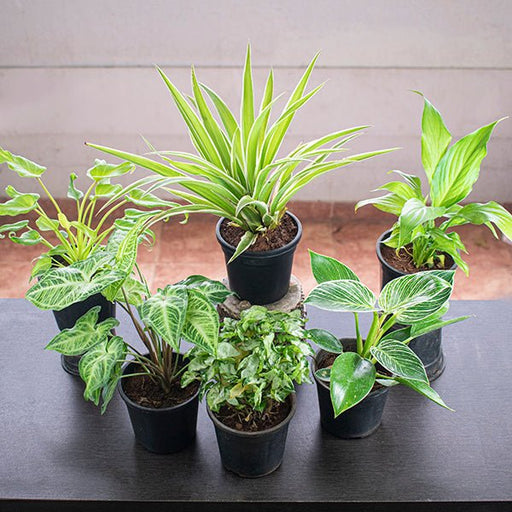
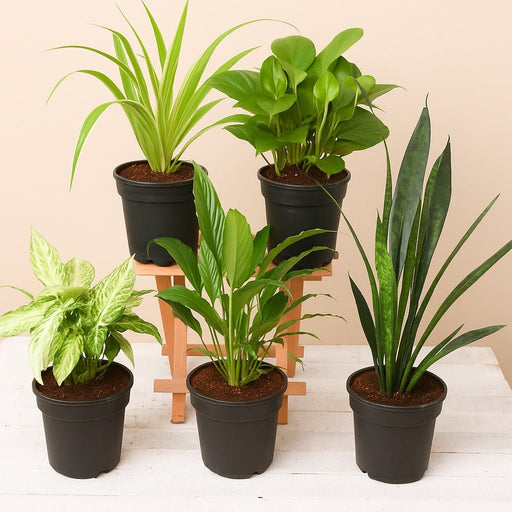
Indoor plants can help purify the air in your home. Some good options include snake plants, spider plants, peace lilies, and aloe vera. These plants can remove harmful toxins like formaldehyde, benzene, and trichloroethylene from the air.
What type of fertilizer should I use for my garden?
The type of fertilizer you use will depend on the needs of your specific plants. Organic fertilizers like compost and manure can provide essential nutrients while also improving soil health. Synthetic fertilizers can be more precise in delivering specific nutrients but may contain harmful chemicals.
How can I keep pests out of my garden without using harmful chemicals?
Organic pest control options like companion planting, beneficial insects, and physical barriers can help keep pests under control without using harmful chemicals. For example, planting marigolds can help deter pests while also adding color to your garden.
What are some low-maintenance outdoor plants?
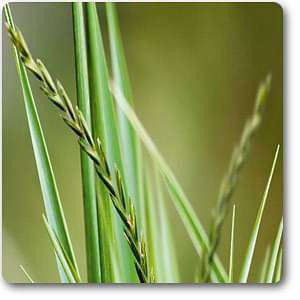
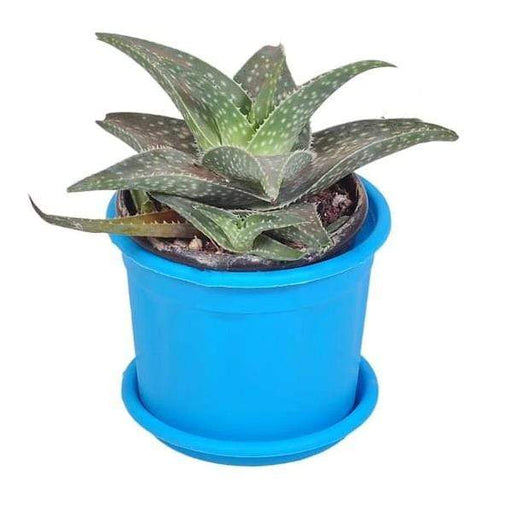
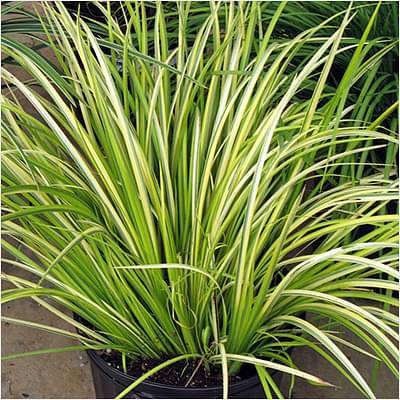
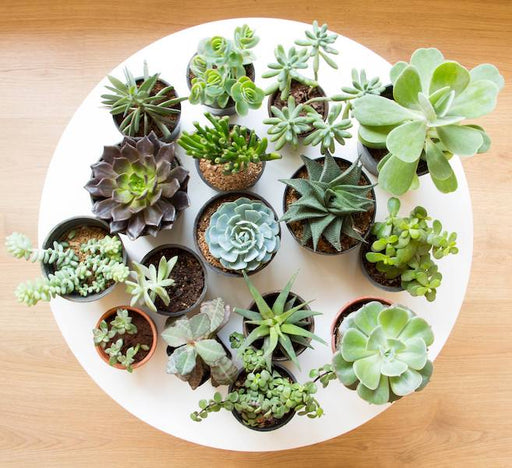
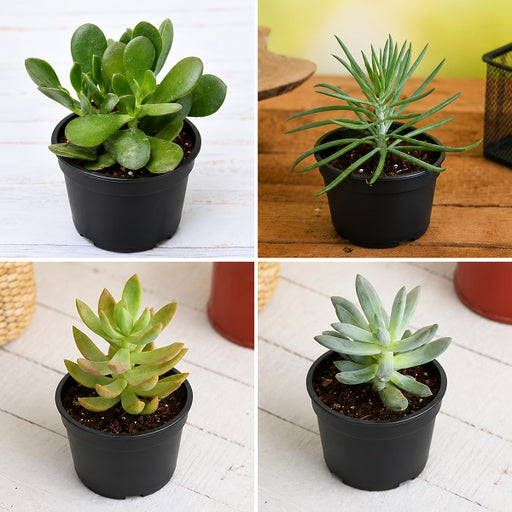
Low-maintenance outdoor plants include succulents, cacti, and some types of ornamental grasses. These plants require minimal water and care and can add natural beauty to your outdoor spaces.
How can I make my home more energy-efficient?
There are many ways to make your home more energy-efficient, including using energy-efficient appliances and light bulbs, improving insulation, and reducing water usage. Simple changes like turning off lights when not in use and adjusting the thermostat can also make a difference.
What are some easy DIY home improvement projects?
Easy DIY home improvement projects include painting walls, installing new light fixtures, and upgrading cabinet hardware. These projects can enhance the look of your home without requiring professional help.
How can I improve the curb appeal of my home?
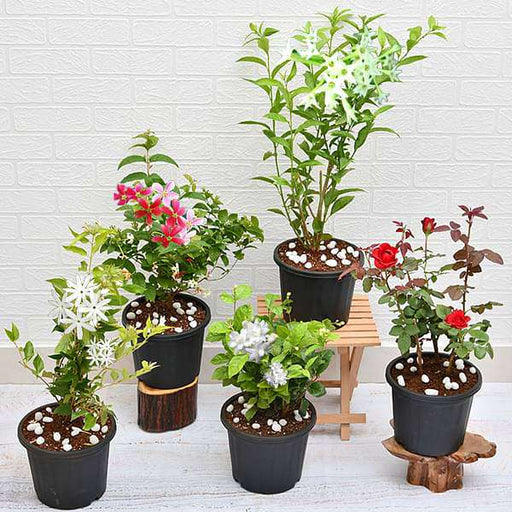
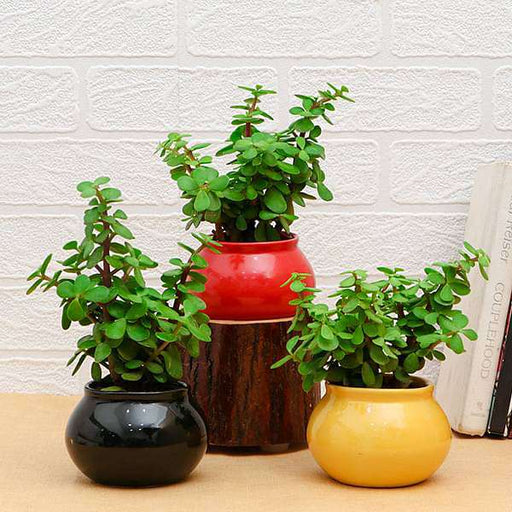
Improving the curb appeal of your home can be as simple as adding colorful potted plants, updating your front door, and maintaining a well-manicured lawn. Lighting and outdoor decorations can also add personality and charm to your home's exterior.
How can I create a cozy outdoor living space?
Creating a cozy outdoor living space can be done by adding comfortable seating, outdoor rugs, and soft lighting. Potted plants and garden decor can also add natural beauty and personality to your outdoor space.
What are some good plants for small gardens?
Good plants for small gardens include dwarf varieties of trees and shrubs, compact perennials, and herbs. These plants take up minimal space but still add color and interest to small garden areas.
How can I create a sustainable home and garden?
Creating a sustainable home and garden can be done by using organic gardening practices, conserving water and energy, and choosing eco-friendly products. Using compost and rainwater harvesting can also reduce waste and conserve resources.
What are some good herbs to grow in a home garden?
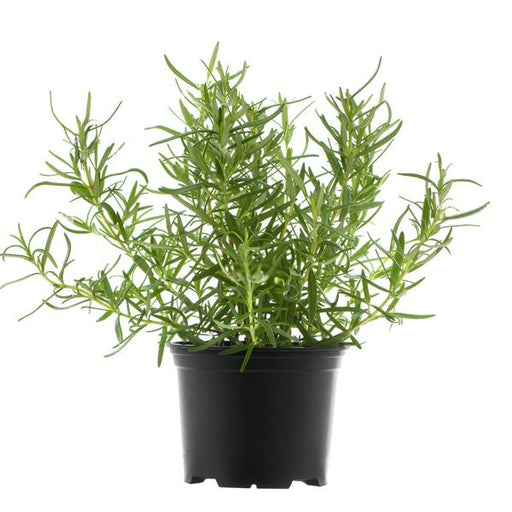
Good herbs to grow in a home garden include basil, thyme, rosemary, and mint. These herbs are easy to grow and can be used in a variety of recipes and remedies.
How can I create a herb garden indoors?
Creating a herb garden indoors can be done by choosing the right container and soil, providing adequate sunlight and water, and regularly pruning and harvesting the herbs. Using a grow light can also help provide sufficient light for indoor herb gardens.
What are some good flowers to attract pollinators?
Good flowers to attract pollinators include bee balm, lavender, coneflowers, and sunflowers. These plants provide nectar and pollen for bees, butterflies, and other beneficial insects.
What are some good plants for a vertical garden?
Good plants for a vertical garden include succulents, ferns, and trailing vines like pothos and philodendron. These plants can add natural beauty to small spaces and can be grown in containers attached to walls or fences.
How can I create a successful compost pile?
Creating a successful compost pile involves balancing the right mix of green and brown materials, keeping the pile moist but not too wet, and regularly turning the pile to ensure proper aeration. Adding food scraps, yard waste, and coffee grounds can provide the necessary materials for composting.
What type of soil is best for growing vegetables?
The best soil for growing vegetables is nutrient-rich, well-draining soil with a neutral pH level. Adding compost or organic matter can help improve soil quality and provide essential nutrients for vegetable growth.
How can I attract birds to my garden?
Attracting birds to your garden can be done by providing food sources like bird feeders and native plants that provide seeds and berries. Providing nesting boxes and water sources can also help attract birds to your garden.
How can I grow a successful container garden?
Growing a successful container garden involves choosing the right container size and soil type, providing adequate sunlight and water, and regularly fertilizing and pruning the plants. Choosing the right plants for container gardening can also help ensure success.
What are some good plants for a shady garden?
Good plants for a shady garden include hostas, ferns, and astilbe. These plants thrive in low-light conditions and can add natural beauty to shady areas of your garden.
What is the best way to water my garden?
The best way to water your garden depends on the type of plants and the climate in your area. Deep watering less frequently can be more effective than shallow watering more often. Using drip irrigation or soaker hoses can also provide plants with the necessary moisture while conserving water.
How can I grow plants indoors without natural light?
Growing plants indoors without natural light can be done by using grow lights, which provide the necessary spectrum of light for plant growth. Choosing plants that are adaptable to low-light conditions can also help ensure success.
What is the best way to store gardening tools?
Storing gardening tools in a dry, clean, and organized space can help prolong their lifespan and ensure they are readily available when needed. Hanging tools on a pegboard or using a tool rack can help keep them organized and easy to access.
How can I control weeds in my garden without using harmful chemicals?
Controlling weeds in your garden without using harmful chemicals can be done by regularly pulling them by hand, using a hoe or cultivator to disturb the soil, and using organic mulch like straw or leaves to suppress weed growth.
What are some good plants for a butterfly garden?
Good plants for a butterfly garden include milkweed, butterfly bush, and coneflowers. These plants provide nectar and host plants for butterfly species and can add natural beauty to your garden.
How can I attract beneficial insects to my garden?
Attracting beneficial insects to your garden can be done by providing food sources like nectar-rich flowers and by avoiding the use of harmful pesticides. Planting a diverse range of plants can also help attract beneficial insects like ladybugs and lacewings.
What is the best way to store seeds?
Storing seeds in a cool, dry, and dark place can help prolong their viability. Using airtight containers like glass jars or resealable plastic bags can also help prevent moisture and pest damage.
How can I improve the soil in my garden?
Improving soil in your garden can be done by adding organic matter like compost, leaf mold, or manure to increase nutrient content and improve soil structure. Adding soil amendments like lime or sulfur can help adjust pH levels to optimal levels for plant growth.
What are some good plants for a low-maintenance garden?
Good plants for a low-maintenance garden include succulents, ornamental grasses, and native plants that are adapted to the local climate and soil conditions. These plants require minimal watering and pruning, making them a great choice for busy gardeners.
How can I create a garden that is safe for pets?
Creating a pet-friendly garden involves avoiding toxic plants like lilies, azaleas, and daffodils, and using organic and pet-safe fertilizers and pest control methods. Creating designated areas for pets to play and using barriers like fencing or raised beds can also help keep pets safe while enjoying the garden.