Skip to content

Aphelandra sinclairiana - Plant

Sold out
Original price ₹ 249
₹ 249
₹ 249
Current price ₹ 249

Product includes

SrNoItem Name
1Aphelandra sinclairiana - Plant

Aphelandra Sinclairiana - The Zebra Plant

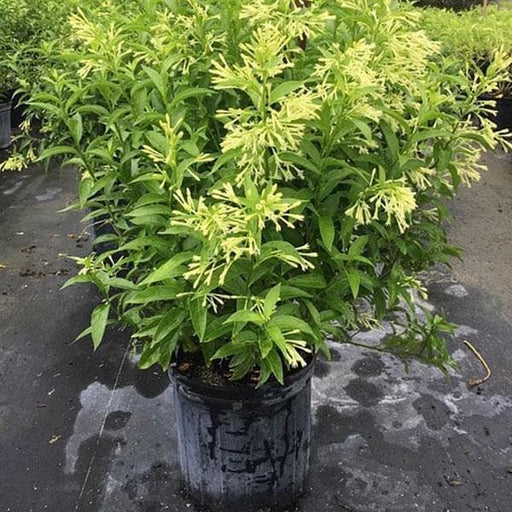
Aphelandra sinclairiana, commonly known as the Zebra Plant, is a stunning tropical perennial native to the rainforests of Brazil. Renowned for its striking dark green leaves adorned with bold, white veins, this plant adds a touch of exotic elegance to any indoor space. The Zebra Plant produces vibrant yellow flower spikes that bloom in the summer, creating a captivating display that attracts attention and admiration.

What makes Aphelandra sinclairiana truly special is its unique foliage and the ability to thrive indoors, making it a popular choice among houseplant enthusiasts. Its lush appearance not only enhances the aesthetic of your home but also contributes to improved air quality, making it an excellent addition to your indoor garden.

One of the standout features of the Zebra Plant is its ability to adapt to lower light conditions, although it flourishes best in bright, indirect sunlight. This adaptability, combined with its stunning visual appeal, makes it a favorite among both novice and experienced plant lovers.

Growing Instructions:

  • Light: Prefers bright, indirect sunlight; avoid direct sunlight to prevent leaf burn.
  • Soil: Use a well-draining potting mix rich in organic matter.
  • Temperature: Thrives in temperatures between 65°F to 80°F (18°C to 27°C).
  • Humidity: Enjoys high humidity; consider using a humidifier or pebble tray.

Care Instructions:

  • Watering: Keep the soil consistently moist but not soggy; water when the top inch feels dry.
  • Fertilizing: Feed with a balanced liquid fertilizer every 4-6 weeks during the growing season.
  • Pruning: Trim dead or yellowing leaves to encourage new growth and maintain appearance.
  • Repotting: Repot every 1-2 years or when the plant outgrows its container.

Uses:

  • Indoor decoration: Perfect for brightening up living rooms, offices, and bedrooms.
  • Air purification: Helps improve indoor air quality by filtering toxins.
  • Gift plant: A thoughtful gift for plant lovers and those looking to enhance their home decor.

Fun Facts:

  • The Zebra Plant is named for its striking leaf patterns, resembling the stripes of a zebra.
  • In its native habitat, it can grow up to 3 feet tall, but it typically remains smaller indoors.
  • Historically, Aphelandra sinclairiana was first described in the 19th century and has since become a popular ornamental plant.

Environmental Impact:

As a tropical plant, Aphelandra sinclairiana plays a role in its native ecosystem by providing habitat and food for various species. When cultivated indoors, it contributes to a healthier living environment by improving air quality and increasing humidity levels, which can be beneficial for both plants and humans alike.

Aphelandra sinclairiana care

If you think caring for Aphelandra sinclairiana is like a walk in the park, think again! This tropical diva demands attention, but don’t worry, she’s worth it. Keep her in bright, indirect light and watch her shine. Water her when the top inch of soil dries out, but don’t drown her—she’s not a fan of soggy feet. Humidity is her best friend, so mist her regularly or place her on a pebble tray. With a little TLC, she’ll reward you with stunning foliage and vibrant blooms that’ll make your friends green with envy.

Aphelandra sinclairiana propagation

Ready to multiply your Aphelandra sinclairiana? Propagation is easier than you think! Snip a healthy stem with a few leaves and let it bask in water until roots emerge. Once it’s ready to take on the world, pot it up in well-draining soil. Just like a proud parent, you’ll need to nurture it with the right light and moisture. Before you know it, you’ll have a mini jungle of these beauties, and your friends will be begging for cuttings.

Aphelandra sinclairiana pests

Ah, the uninvited guests of the plant world! Aphelandra sinclairiana can attract pests like spider mites and mealybugs, but fear not! A little neem oil or insecticidal soap can send them packing. Regularly inspecting your plant is key—think of it as a plant spa day. If you spot any critters, act fast! A cotton swab dipped in alcohol can be your secret weapon. Keep your plant healthy, and those pests will think twice before crashing your green party.

Aphelandra sinclairiana light requirements

Light, camera, action! Aphelandra sinclairiana thrives in bright, indirect light, so don’t let her sit in the dark like a wallflower at a dance. Too much direct sunlight can scorch her leaves, while too little can leave her looking sad and droopy. Find that sweet spot where she can soak up the rays without getting burned, and she’ll reward you with vibrant foliage and stunning blooms. Remember, she’s a tropical star, not a shade-loving wallflower!

Aphelandra sinclairiana soil type

When it comes to soil, Aphelandra sinclairiana is a bit of a snob. She prefers a well-draining potting mix that retains some moisture but doesn’t turn into a swamp. A blend of peat, perlite, and orchid bark is her idea of a five-star hotel. This mix allows her roots to breathe while keeping her hydrated. So, if you want to keep your plant happy and thriving, make sure she’s not stuck in a soggy mess—she’s not a fan of mud baths!

Aphelandra sinclairiana humidity needs

If you think humidity is just a weather report, think again! Aphelandra sinclairiana craves high humidity like a diva craves attention. Ideally, she likes it around 60% or higher. If your home is drier than a desert, consider misting her regularly or using a humidifier. You can also group her with other plants for a mini rainforest effect. Keep her happy, and she’ll reward you with lush foliage and blooms that’ll make your heart sing.

Aphelandra sinclairiana temperature preferences

Aphelandra sinclairiana is a tropical plant, which means she’s not a fan of the cold. Ideally, she likes temperatures between 65°F and 80°F. Anything below 50°F, and she’ll start to throw a tantrum. Keep her away from drafts and sudden temperature changes, or she might just drop her leaves in protest. Treat her like the tropical queen she is, and she’ll thrive in your home, bringing a touch of the tropics to your living space.

Aphelandra sinclairiana flowering

When it comes to flowering, Aphelandra sinclairiana is like the life of the party! With its striking yellow and orange bracts, it’s sure to steal the show. However, getting her to bloom can be a bit tricky. She needs the right light, humidity, and a little patience. Once she’s happy, she’ll reward you with a floral display that’ll make your heart skip a beat. Just remember, she’s not a year-round bloomer, so enjoy the show while it lasts!

Aphelandra sinclairiana toxicity

Good news for pet owners! Aphelandra sinclairiana is considered non-toxic to cats and dogs. However, that doesn’t mean your furry friends should treat it like a salad bar. While it won’t send them to the vet, it’s best to keep them from munching on the leaves. After all, a plant’s beauty is best appreciated from a distance. So, while your Aphelandra sinclairiana is safe, it’s still a good idea to keep an eye on your curious companions.

Aphelandra sinclairiana repotting

Time to give your Aphelandra sinclairiana a new home? Repotting is like moving to a bigger apartment—exciting but a bit stressful. Ideally, you should repot every couple of years or when you notice roots poking out of the drainage holes. Choose a pot that’s just one size larger, and use fresh, well-draining soil. Be gentle with her roots, and she’ll settle in nicely. After a little adjustment period, she’ll be ready to thrive in her new digs!

Aphelandra sinclairiana benefits

Why should you invite Aphelandra sinclairiana into your home? Aside from her stunning looks, she’s a natural air purifier! This tropical beauty helps filter out toxins, making your space healthier. Plus, caring for plants can reduce stress and boost your mood—talk about a win-win! With her vibrant foliage and cheerful blooms, she’s not just a pretty face; she’s a wellness guru in disguise. So, go ahead and add her to your plant collection; your mind and air quality will thank you!

Trending Collections

Save 40% with Gardening Solutions

You may also need

FAQ

What is Aphelandra sinclairiana?

Ah, the Aphelandra sinclairiana, also known as the zebra plant! This tropical beauty flaunts striking yellow and green leaves, resembling a zebra's stripes. Native to Brazil, it’s a showstopper for any indoor garden. Just remember, it loves humidity and bright, indirect light—treat it right, and it’ll reward you with stunning blooms!

How do I care for Aphelandra sinclairiana?

Caring for your Aphelandra sinclairiana is like nurturing a diva! It craves high humidity, so mist it regularly or place it near a humidifier. Keep it in bright, indirect light and water when the top inch of soil dries out. Fertilize every few weeks during the growing season, and watch it thrive like the star it is!

What kind of soil does Aphelandra sinclairiana need?

Your zebra plant prefers a well-draining potting mix, ideally one that retains some moisture without turning into a swamp. A blend of peat, perlite, and orchid bark works wonders. Think of it as a luxurious spa treatment for its roots—just the right balance of hydration and airiness to keep it happy and healthy!

How often should I water Aphelandra sinclairiana?

Watering your Aphelandra sinclairiana is like a dance—find the right rhythm! Aim to water when the top inch of soil feels dry. In the warmer months, this might mean every week, while in winter, it could stretch to every two weeks. Just don’t let it sit in soggy soil; nobody likes wet feet!

Does Aphelandra sinclairiana bloom?

Yes, indeed! The Aphelandra sinclairiana is a blooming superstar. With the right care, it produces stunning yellow-orange bracts that resemble a tropical sunset. However, it’s a bit of a drama queen and may only bloom if it feels truly pampered. So, shower it with love, and it might just reward you with a floral encore!

Is Aphelandra sinclairiana toxic to pets?

Good news for pet parents! The Aphelandra sinclairiana is considered non-toxic to cats and dogs. However, that doesn’t mean your furry friends should munch on it like a salad. While it won’t send them to the vet, it’s best to keep plants out of reach to avoid any potential tummy troubles. Better safe than sorry!

What temperature does Aphelandra sinclairiana prefer?

Your zebra plant is a warm-weather enthusiast, thriving best in temperatures between 65°F and 80°F (18°C to 27°C). It’s not a fan of cold drafts or sudden temperature drops, so keep it cozy. Think of it as your tropical vacation buddy—no chilly beach breezes allowed!

Can I propagate Aphelandra sinclairiana?

Absolutely! Propagating your Aphelandra sinclairiana is like creating mini-zebra plant clones. You can take stem cuttings with a few leaves and place them in water or moist soil. Just be patient, as rooting can take a few weeks. Soon, you’ll have a whole herd of these beauties to show off!

What pests should I watch for on Aphelandra sinclairiana?

Your zebra plant might attract a few uninvited guests, like spider mites and mealybugs. Keep an eye out for webbing or cottony spots. If you spot them, a gentle wash with soapy water or neem oil should send them packing. Think of it as a pest eviction party—no one wants to crash your plant’s vibe!

How do I fertilize Aphelandra sinclairiana?

Fertilizing your Aphelandra sinclairiana is like giving it a gourmet meal! Use a balanced liquid fertilizer every 4-6 weeks during the growing season. Just dilute it to half strength to avoid overwhelming your plant. It’s all about that perfect balance—too much, and it might get cranky; just right, and it’ll flourish!

Why are the leaves of my Aphelandra sinclairiana turning yellow?

Yellowing leaves on your Aphelandra sinclairiana could signal a few issues—overwatering, underwatering, or insufficient light. Check the soil moisture and adjust your watering schedule. If it’s not getting enough light, consider relocating it to a brighter spot. Think of it as your plant’s way of saying, “Help me, I’m not feeling fabulous!”