Abrus precatorius
(MRP Inclusive of all taxes)
- Shipping ₹79 for entire order
- Dispatch in 7 days
- Country of origin: India
(MRP Inclusive of all taxes)
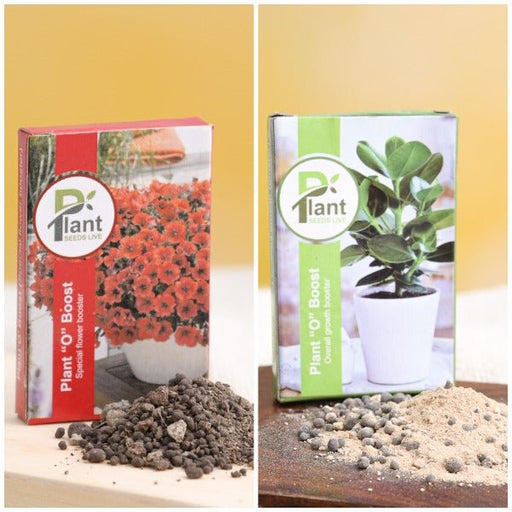
Plant O Boost (Special Flower Booster) Unlock the full potential of your garden with Plant O Boost, a scientifically formulated flower boo...
View full details
Save up to 17%
Goodluck Jade Plant with Pot The Goodluck Jade Plant, scientifically known as Crassula ovata, is a succulent that symbolizes prosperity an...
View full details
Save 15%
Set of 2 Good Luck Plants Pack Bring positivity and prosperity into your home with our Set of 2 Good Luck Plants Pack. This delightful col...
View full details
Sold out
Set of 2 Lucky Plants Bring prosperity and positivity into your home with our Set of 2 Lucky Plants. These vibrant green plants, known for...
View full details
Plant O Boost (Overall Growth Booster) Unlock the full potential of your plants with Plant O Boost, an innovative growth booster designed ...
View full details
Bring home a little green delight — on us! 🌿 A free surprise garden product with every order Could be a charming plant, vibrant seeds, stylish po...
View full details
Bring home a little green delight — on us! 🌿 A free surprise garden product with every order Could be a charming plant, vibrant seeds, stylish po...
View full details
Save 15%
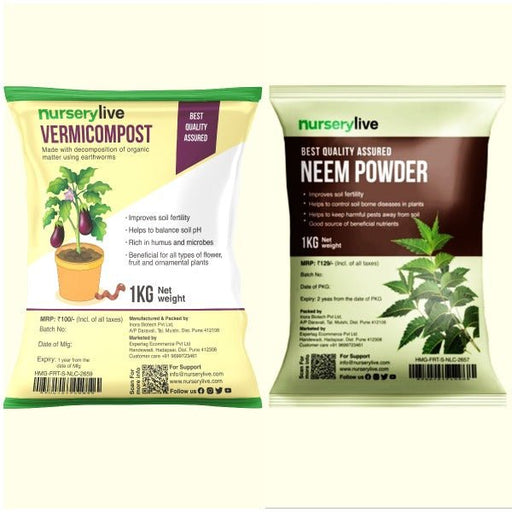
Pack of Vermicompost and Neem Cake for House Plants Transform your indoor garden with our premium Pack of Vermicompost and Neem Cake, spec...
View full details
Pack of Plant Growth and Flower Boosters Unlock the full potential of your garden with our Pack of Plant Growth and Flower Boosters! This ...
View full details
Save 38%
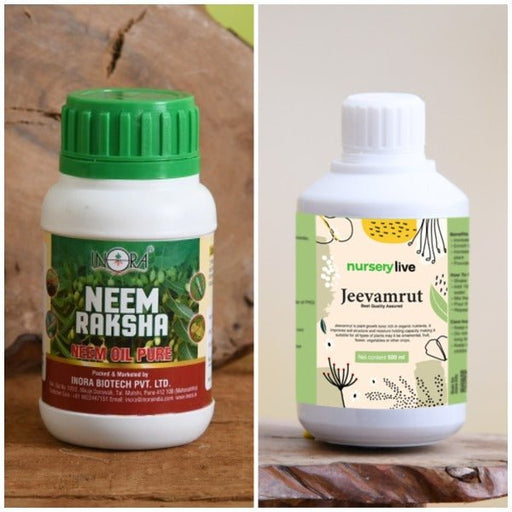
Combo of Jeevamrut and Neem Raksha for Easy Growth and Protection of Houseplants Transform your indoor garden with our exclusive combo of ...
View full details
Save 22%
Plant Nutrients Kit (Pack of 16) for a Healthy Garden Transform your garden into a lush paradise with our Plant Nutrients Kit, featuring 1...
View full details
Save 16%
Combo of Top Plant Fertilizers Elevate your gardening game with our exclusive Combo of Top Plant Fertilizers, featuring two bags of premiu...
View full details
Save 24%
Pack of 4 Additives to Make Soil Healthy and Nutrient Rich Transform your garden into a thriving ecosystem with our Pack of 4 Additives de...
View full details
Save 30%
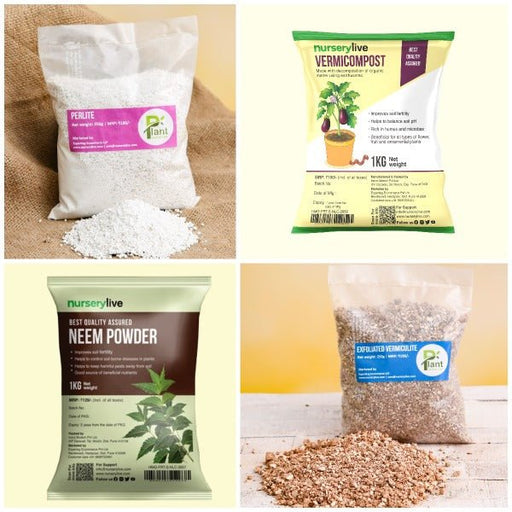
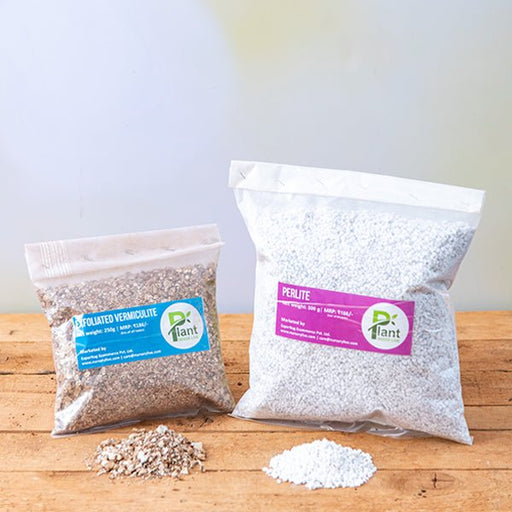
Transform your gardening experience with our premium Combo of Perlite and Vermiculite. This unique blend is designed to enhance soil aeration and ...
View full details
Save 27%
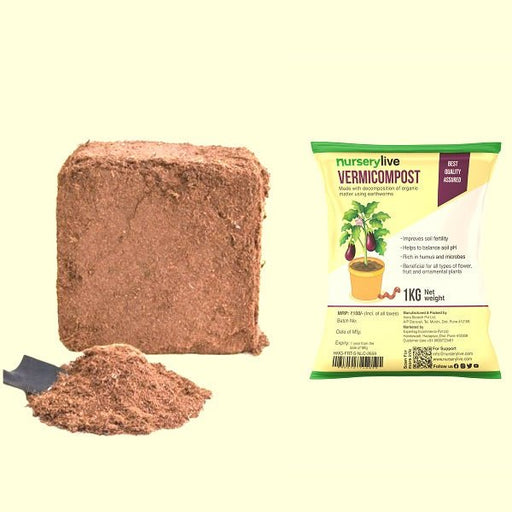
Combo of 2 Vermicompost and Cocopeat - Enrich Your Soil Naturally! Transform your garden into a thriving ecosystem with our Combo of 2 Ver...
View full details
Save 35%
Best 6 Plants for Perfect Indoor Garden Transform your living space into a lush oasis with our curated collection of the Best 6 Plants for a...
View full details
Save up to 50%
Mini Succulent Garden Pack Transform your space with our Mini Succulent Garden Pack, featuring a delightful collection of 4 any variety beautiful s...
View full details
Save 30%
5 Best Fragrant Plants Transform your garden or indoor space into a fragrant paradise with our curated selection of the 5 Best Fragrant Plants. Th...
View full details
Save 24%
Set of 2 Bonsai Looking Grafted Adeniums Transform your indoor or outdoor space with our exquisite Set of 2 Bonsai Looking Grafted Adenium...
View full details
Save 45%
Top 4 Die Hard Succulents Pack Transform your indoor or outdoor space with our Top 4 Die Hard Succulents Pack, featuring a curated selecti...
View full details
Save 30%
5 Best Indoor Plants Pack Transform your living space into a lush oasis with our '5 Best Indoor Plants Pack.' This carefully curated collection fe...
View full details
Save 25%
Set of 4 Evergreen Air Purifier Plant Pack Transform your indoor space into a lush, green oasis with our Set of 4 Evergreen Air Purifier Pla...
View full details| SrNo | Item Name |
|---|---|
| 1 | Abrus precatorius |
Abrus precatorius, commonly known as the Rosary Pea, is a perennial climbing plant native to tropical and subtropical regions. Renowned for its striking red and black seeds, this plant has been used for centuries in traditional medicine and jewelry making. However, it is important to note that all parts of the plant, especially the seeds, contain the toxic protein abrin, making it both beautiful and dangerous.
This plant is special not only for its aesthetic appeal but also for its historical significance. Indigenous cultures have utilized the seeds for ornamental purposes and as a natural remedy. Its ability to thrive in various environments makes it a resilient addition to gardens, though caution is advised due to its toxicity.
One of the most remarkable features of Abrus precatorius is its adaptability. It can grow in poor soil conditions and is often used in agroforestry systems to improve soil fertility. Its vibrant seeds are also a popular choice for crafting jewelry, adding a unique touch to any accessory.
This little gem of a tree, often dubbed the "Rosary Pea," is not just a pretty face. Its seeds are known for their striking appearance and potential medicinal properties. From traditional remedies to modern herbal concoctions, Abrus precatorius has been the go-to for those seeking natural solutions. Just remember, while it has its perks, the seeds are also highly toxic if mishandled. So, handle with care, or you might find yourself in a rather sticky situation!
a tropical paradise where the sun shines bright and the soil is rich. That’s the ideal home for the Abrus precatorius tree. Thriving in warm climates, it loves to hang out in disturbed areas, roadsides, and even gardens. It’s like the tree equivalent of that friend who shows up uninvited but somehow makes the party better. Just be cautious; it can be a bit of a spreader, taking over spaces like a determined houseguest.
Ah, the double-edged sword of nature! While Abrus precatorius can be a boon for herbalists, it also comes with a warning label. The seeds contain a potent toxin called abrin, which can be lethal if ingested. Think of it as nature’s way of saying, “Look, but don’t touch!” So, while you might admire its beauty, keep your distance unless you’re a trained professional. Safety first, folks!
Want to grow your own Abrus precatorius tree? It’s easier than you think! Just plant the seeds in well-drained soil, give them some sunlight, and watch them flourish. They’re like the overachievers of the plant world, growing quickly and spreading their roots far and wide. Just be prepared for a bit of maintenance, as they can get a little too enthusiastic in their growth. It’s like having a pet that needs constant attention!
Beyond its toxic reputation, Abrus precatorius has a variety of uses that might surprise you. From crafting jewelry to traditional medicine, this tree is a multitasker. The seeds are often used in prayer beads, while the leaves and roots have found their way into various herbal remedies. Just remember, if you’re planning to use it for anything other than decoration, consult an expert first. You don’t want to turn a DIY project into a horror story!
In the world of Ayurveda, Abrus precatorius is like that wise old sage who knows all the secrets. It’s been used for centuries to treat ailments ranging from respiratory issues to skin problems. The leaves and roots are often brewed into concoctions that promise to restore balance and harmony. Just be sure to consult with a qualified practitioner before diving into the herbal deep end. After all, wisdom is knowing when to seek help!
This tree isn’t just a pretty sight for humans; it’s also a hotspot for wildlife. Birds, insects, and even small mammals are drawn to its vibrant seeds and foliage. It’s like a buffet for nature’s critters! However, while it provides food and shelter, it can also become invasive, outcompeting local flora. So, while it’s a friend to some, it can be a foe to others. Nature, in all its complexity!
Need a natural solution for soil erosion? Look no further than Abrus precatorius! With its robust root system, this tree can help stabilize soil and prevent erosion in vulnerable areas. It’s like the superhero of the plant world, swooping in to save the day. Just be cautious about its invasive tendencies; you don’t want your superhero to turn into a villain in your garden!
In traditional medicine, Abrus precatorius has earned its stripes as a remedy for various ailments. From treating fevers to alleviating pain, this tree has been a staple in folk medicine. However, its toxic nature means it’s not for the faint of heart. Always consult with a knowledgeable herbalist before trying any home remedies. After all, you want to heal, not end up in a medical drama!
The Abrus precatorius tree holds a special place in various cultures around the world. Often used in rituals and ceremonies, its seeds are considered sacred in some traditions. They symbolize protection and are used in prayer beads, connecting the spiritual and natural worlds. So, while you might see it as just another tree, for many, it’s a bridge to the divine. Talk about a tree with a purpose!
If you’re a gardening enthusiast, adding Abrus precatorius to your collection can be a bold move. Its vibrant seeds and lush foliage can enhance your garden’s aesthetic. However, be prepared for its vigorous growth and potential invasiveness. It’s like inviting a party animal to your garden; it’ll be fun, but you might need to rein it in occasionally. Just remember to keep an eye on it, or it might take over the whole neighborhood!
Abrus precatorius, also known as the rosary pea, is a tropical plant famous for its striking red and black seeds. While they look like nature's candy, these seeds pack a toxic punch! So, unless you fancy a trip to the ER, admire them from a distance.
Absolutely! Abrus precatorius contains a toxin called abrin, which is more potent than ricin. Just one seed can be lethal if chewed. So, if you’re thinking of a new snack, maybe stick to popcorn instead. Nature’s beauty can be deadly, folks!
This plant thrives in tropical and subtropical regions, making it a popular resident in places like India, Africa, and the Caribbean. It loves disturbed areas, so you might find it hanging out where humans have been busy. Talk about a plant that knows how to crash a party!
In traditional medicine, Abrus precatorius has been used for various ailments, from fevers to skin issues. However, with great power comes great responsibility! Always consult a professional before trying any herbal remedy, or you might end up with more problems than you started with.
Yes, indeed! The seeds of Abrus precatorius are often used in jewelry, thanks to their vibrant colors. Just remember, wearing them is fine, but don’t mistake them for a snack! Fashion should never come at the cost of your health, right
You bet! Abrus precatorius can be quite the overachiever, often invading gardens and natural habitats. It spreads like gossip at a family reunion, outcompeting native plants. So, if you see it popping up uninvited, it’s time to play plant bouncer!
Symptoms of poisoning can include nausea, vomiting, abdominal pain, and even organ failure in severe cases. It’s like your body throwing a wild party, but no one’s having fun. If you suspect poisoning, seek medical help immediately—don’t wait for the hangover!
Look for a climbing plant with compound leaves and bright red seeds nestled in black pods. The seeds are the real showstoppers, but remember, they’re not for snacking! If you’re unsure, consult a plant expert—better safe than sorry!
While not a staple crop, Abrus precatorius is sometimes used as a cover crop due to its nitrogen-fixing abilities. Farmers appreciate its contributions, but they also know to keep it in check. It’s like that friend who’s great at parties but can’t be trusted with your snacks!
Sure, if you’re feeling adventurous! Just remember, this plant requires warm, humid conditions and can be quite the handful. If you decide to grow it, keep it away from pets and kids. It’s a beautiful plant, but it’s not exactly a cuddly housemate!
In some cultures, the seeds are used in rituals and as talismans, symbolizing protection and good fortune. However, they also serve as a reminder that beauty can be dangerous. So, if you’re wearing them, just be sure to keep the poison control number handy!
If you’re looking for non-toxic alternatives, consider using seeds from plants like beans or peas for crafts. They’re safe, colorful, and won’t send you to the hospital! Remember, there are plenty of beautiful plants out there that won’t bite back!