What is Sterculia Alata, Buddha Coconut - Plant?
Sterculia Alata, also known as the Buddha Coconut, is a tropical beauty with a unique, round fruit resembling a coconut. This plant is not just a pretty face; it’s a conversation starter, boasting large, lush leaves and a quirky personality that can brighten any garden or indoor space.
How do I care for my Sterculia Alata?
Caring for your Buddha Coconut is like nurturing a diva. It loves bright, indirect sunlight and well-draining soil. Water it regularly, but don’t drown it—think of it as a spa day, not a swim meet. Keep humidity high, and it’ll reward you with stunning foliage and a happy vibe.
Can Sterculia Alata be grown indoors?
Absolutely! The Buddha Coconut is a fantastic indoor companion. Just ensure it has enough light and humidity to thrive. It’s like having a tropical vacation in your living room, minus the sand and sunscreen. Just remember, it enjoys a little pampering, so don’t skimp on the care!
What are the benefits of growing Sterculia Alata?
Growing Sterculia Alata is like having a personal cheerleader for your home. It purifies the air, adds a tropical flair, and can even boost your mood. Plus, its unique fruit is a conversation starter, making it the life of the party—who wouldn’t want that?
Is Sterculia Alata safe for pets?
Good news for pet parents! Sterculia Alata is generally considered non-toxic to pets. However, it’s always wise to keep an eye on your furry friends. They might find those large leaves tempting for a nibble, and we all know how curious they can be!
How often should I water my Buddha Coconut?
Water your Sterculia Alata when the top inch of soil feels dry. Think of it as a delicate balance—too much water, and it’s a soggy mess; too little, and it’s a thirsty diva. Aim for a happy medium, and your plant will thrive like a superstar!
What type of soil is best for Sterculia Alata?
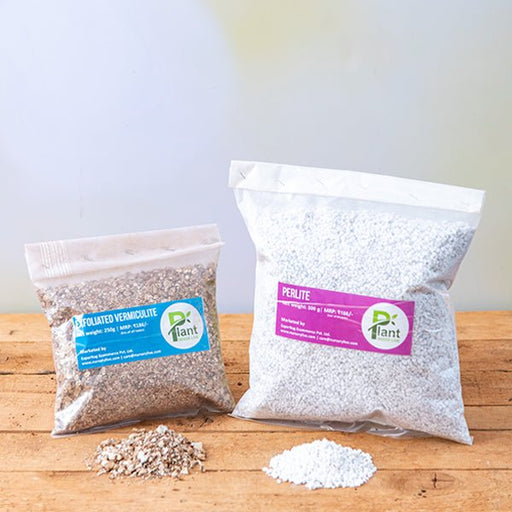
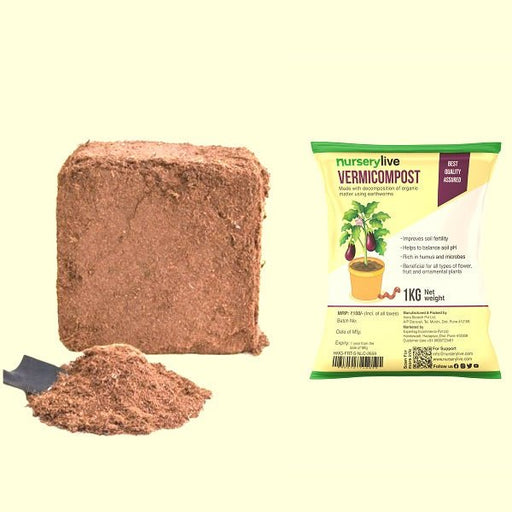
Your Buddha Coconut craves well-draining soil that’s rich in organic matter. A mix of potting soil, perlite, and compost will do the trick. It’s like giving your plant a gourmet meal—nutritious and satisfying, ensuring it grows strong and fabulous!
Does Sterculia Alata need fertilizer?
Yes, indeed! Fertilize your Buddha Coconut during the growing season with a balanced liquid fertilizer every month. Think of it as a little boost of energy—like coffee for your plant. Just don’t overdo it; too much fertilizer can lead to a plant that’s more jittery than joyful!
Can I propagate Sterculia Alata?
Propagation is possible, but it’s a bit of a challenge. You can try taking cuttings or seeds, but patience is key. It’s like waiting for a fine wine to mature—worth it in the end, but don’t expect instant results. Give it time, and you might just have a new plant buddy!
What pests should I watch for on Sterculia Alata?
Keep an eye out for common pests like spider mites and aphids. They can be sneaky little critters, but a regular inspection and a gentle spray of insecticidal soap can keep them at bay. Think of it as your plant’s personal bodyguard—always on duty!
How tall does Sterculia Alata grow?
Sterculia Alata can reach impressive heights, often growing up to 30 feet in its natural habitat. However, in a pot, it’s more like a well-mannered houseguest, typically staying around 6 to 10 feet. Just enough to make a statement without taking over the room!
Is Sterculia Alata suitable for beginners?
While Sterculia Alata is a stunning plant, it’s not the easiest for beginners. It requires specific care, like humidity and light conditions. If you’re up for a challenge and ready to learn, it can be a rewarding experience. Just remember, every plant has its quirks!


 White Marble Pebbles (1 kg)
₹199
White Marble Pebbles (1 kg)
₹199 Plant O Boost — Growth Booster
₹239
Plant O Boost — Growth Booster
₹239 Garden Essential Plant Care Kit
₹599
Garden Essential Plant Care Kit
₹599