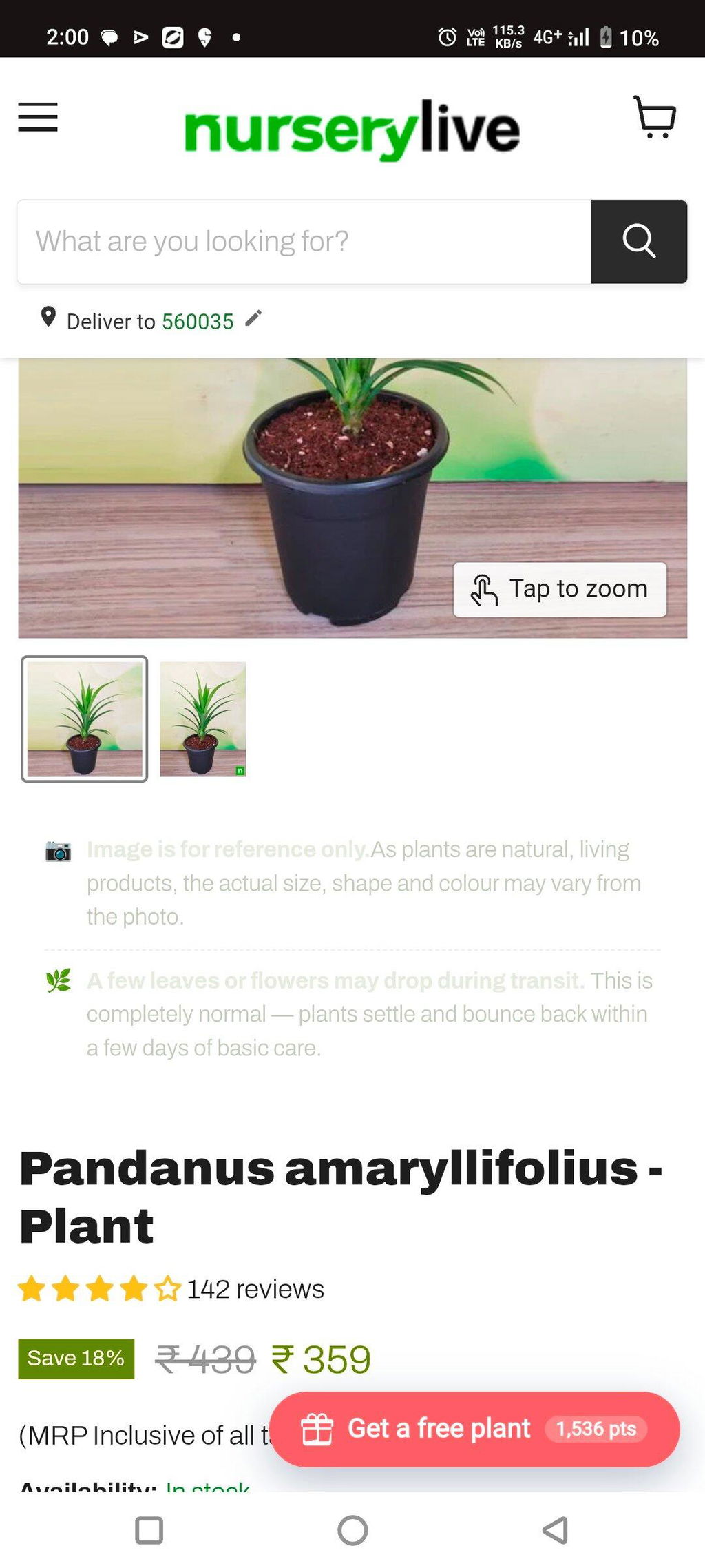
What is Pandanus amaryllifolius?
This tropical superstar, also known as pandan, is a fragrant plant native to Southeast Asia. Its long, green leaves are a culinary delight, often used to infuse dishes with a sweet, floral aroma. Think of it as nature's secret ingredient that elevates your cooking game to Michelin-star levels—without the fancy chef hat!
How do I grow Pandanus amaryllifolius?
Growing pandan is easier than pie—if pie were a tropical plant! Just plant it in well-draining soil, give it plenty of sunlight, and water it regularly. It thrives in warm, humid conditions, so channel your inner tropical paradise. Soon, you'll have a lush green plant that’s ready to spice up your kitchen!
What are the uses of Pandanus amaryllifolius?
This plant is a multitasker! Its leaves are used in cooking for flavoring rice, desserts, and drinks. Beyond the kitchen, pandan is also used in traditional medicine and as a natural air freshener. Who knew a plant could be a culinary wizard and a home fragrance expert all at once?
Can I grow Pandanus amaryllifolius indoors?
Absolutely! Pandanus amaryllifolius can be your new indoor buddy. Just ensure it gets enough sunlight—think of it as a sunbather on a tropical vacation. With the right care, you’ll have a fragrant green companion that not only beautifies your space but also adds a dash of flavor to your dishes.
How often should I water Pandanus amaryllifolius?
Watering is like a dance—find the right rhythm! Keep the soil consistently moist but not soggy. During hot weather, it may need more hydration, while cooler months call for a lighter touch. Just remember, overwatering is a party crasher for this plant, so keep it balanced!
What pests affect Pandanus amaryllifolius?
Like any diva, pandan can attract a few uninvited guests. Watch out for spider mites and mealybugs. If they crash the party, a gentle wash with soapy water or neem oil will send them packing. Keep your plant healthy, and it’ll shine like the star it is—pests be gone!
Is Pandanus amaryllifolius safe for pets?
Good news for pet parents! Pandanus amaryllifolius is generally considered non-toxic to cats and dogs. However, while your furry friends can safely sniff around, it’s best to discourage them from munching on the leaves. After all, we wouldn’t want them to think they’re in a salad bar!
How do I harvest Pandanus amaryllifolius leaves?
Harvesting is a breeze! Simply snip off the mature leaves at the base, leaving some for the plant to continue thriving. Use sharp scissors to avoid any plant drama. Remember, fresh leaves are the key to unlocking that aromatic goodness in your dishes—so don’t be shy!
Can I use dried Pandanus amaryllifolius leaves?
While fresh is best, dried pandan leaves can still work wonders! They may not pack the same punch as their fresh counterparts, but they can add a subtle flavor to your dishes. Just soak them in water before use to revive their aromatic charm. Who says you can’t have a second act?
What is the best climate for Pandanus amaryllifolius?
This plant loves a tropical climate—think warm, humid, and sunny! It thrives in temperatures between 70°F to 95°F. If you live in a cooler area, consider bringing it indoors during winter. With the right climate, your pandan will flourish and reward you with its delightful fragrance!
How long does it take for Pandanus amaryllifolius to grow?
Patience is a virtue! Typically, it takes about 6 to 12 months for your pandan plant to reach a harvestable size. But don’t fret; while you wait, you can enjoy its lush greenery and fragrant aroma. Good things come to those who wait—especially when it’s delicious!
Can I propagate Pandanus amaryllifolius?
Yes, you can! Propagation is like sharing the love. Simply take a healthy cutting with a few roots and plant it in well-draining soil. Keep it moist and in a warm spot, and soon you’ll have a new pandan plant to enjoy. It’s like cloning your culinary sidekick!


 White Marble Pebbles (1 kg)
₹199
White Marble Pebbles (1 kg)
₹199 Plant O Boost — Growth Booster
₹239
Plant O Boost — Growth Booster
₹239 Garden Essential Plant Care Kit
₹599
Garden Essential Plant Care Kit
₹599