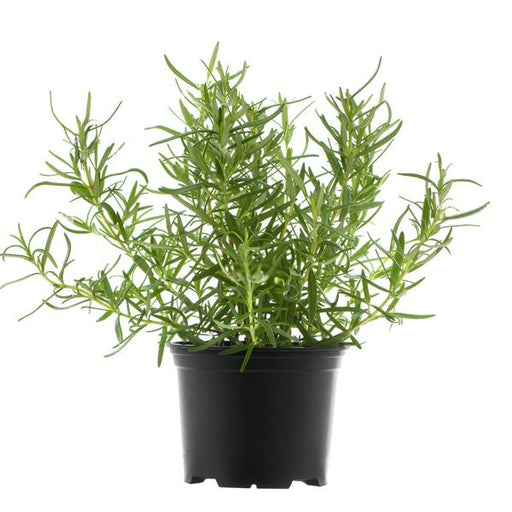
What is Origanum Majorana, Marjoram, Marwa?
Origanum Majorana, commonly known as Marjoram or Marwa, is a delightful herb that adds a touch of Mediterranean magic to your dishes. With its sweet, warm flavor, it’s like a hug for your taste buds. This perennial plant is not just a culinary star; it also boasts medicinal properties. Who knew herbs could be so multi-talented?
How do I grow Origanum Majorana, Marjoram, Marwa?
Growing Marjoram is easier than pie—well, almost! This herb loves well-drained soil and plenty of sunshine. Plant it in a pot or garden bed, water it moderately, and watch it flourish. Just remember, it’s not a fan of frost, so bring it indoors when winter comes knocking. Your culinary companion will thank you!
What are the health benefits of Marjoram?
Marjoram isn’t just a pretty face in the spice rack; it’s packed with health benefits! This herb is known for its anti-inflammatory and antioxidant properties. It can aid digestion, boost your immune system, and even help with stress relief. So, sprinkle some Marjoram on your meals and let the good vibes roll!
Can I use Marjoram fresh or dried?
Absolutely! Fresh Marjoram is like a breath of fresh air, while dried Marjoram is your trusty sidekick in the pantry. Fresh leaves are perfect for salads and garnishes, while dried Marjoram shines in soups, stews, and marinades. Both forms bring their unique flair to the table, so why not use them both?
What dishes pair well with Origanum Majorana?
Marjoram is the culinary chameleon of herbs! It pairs beautifully with meats, especially chicken and lamb, and adds depth to vegetable dishes. Toss it in pasta, sprinkle it on pizza, or mix it into sauces. The possibilities are endless! Just remember, a little Marjoram goes a long way in elevating your meals.
Is Marjoram the same as Oregano?
Not quite! While Marjoram and Oregano are related, they’re like distant cousins at a family reunion. Marjoram has a sweeter, milder flavor, while Oregano is more robust and peppery. They can sometimes be used interchangeably, but if you want to impress your taste buds, stick to Marjoram for a gentler touch.
How do I store Marjoram?
To keep your Marjoram fresh and fabulous, store it in a cool, dry place. If it’s fresh, wrap it in a damp paper towel and place it in a plastic bag in the fridge. For dried Marjoram, an airtight container in your spice cabinet will do the trick. Just don’t let it get too cozy; it likes to stay fresh!
Can Marjoram be used in herbal teas?
Oh, absolutely! Marjoram tea is like a warm hug in a cup. Steep fresh or dried leaves in hot water for a soothing brew that can help with digestion and relaxation. Add a touch of honey for sweetness, and you’ve got yourself a delightful herbal experience. Sip, savor, and let the stress melt away!
Is Marjoram safe for pets?
While Marjoram is generally safe for pets in small amounts, it’s always best to consult your vet before letting your furry friends indulge. Some pets may have sensitivities, and we wouldn’t want them to have a bad day. So, keep the Marjoram for your culinary adventures and let your pets stick to their kibble!
Can I grow Marjoram indoors?
Absolutely! Marjoram is a great indoor herb, thriving on a sunny windowsill. Just ensure it gets at least six hours of sunlight daily and water it when the soil feels dry. With a little love and care, you’ll have fresh Marjoram at your fingertips, ready to jazz up your meals without stepping outside!
What is the best time to harvest Marjoram?
The best time to harvest Marjoram is just before it flowers, when the leaves are bursting with flavor. Snip off the stems, leaving a few inches for regrowth. This way, you’ll have a continuous supply of this aromatic herb. Plus, harvesting is like giving your plant a little haircut—everyone loves a fresh look!


 White Marble Pebbles (1 kg)
₹199
White Marble Pebbles (1 kg)
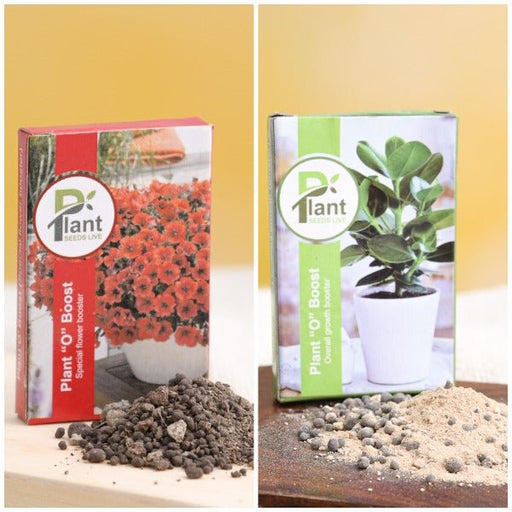
₹199 Plant O Boost — Growth Booster
₹239
Plant O Boost — Growth Booster
₹239 Garden Essential Plant Care Kit
₹599
Garden Essential Plant Care Kit
₹599