What is the best way to grow a mango tree from seeds?
To grow a mango tree from seeds, start by removing the pit from a ripe mango. Clean it, let it dry, and then plant it in well-draining soil. Water it regularly, but don’t drown it! With a little patience, you’ll have a tropical delight sprouting in no time.
How long does it take for a mango tree to bear fruit?
Patience is a virtue, especially with mango trees! Typically, a mango tree grown from seed takes about 5 to 8 years to bear fruit. So, if you’re looking for instant gratification, you might want to consider a fast-food joint instead of a garden!
Can I grow a mango tree indoors?
Yes, you can grow a mango tree indoors, but it’s like trying to keep a lion in a pet carrier. Choose a dwarf variety, provide plenty of sunlight, and keep it warm. Just remember, it might not produce fruit as readily as its outdoor cousins, but it’ll still be a conversation starter!
What type of soil is best for mango trees?
Mango trees prefer sandy, well-draining soil that’s slightly acidic. Think of it as their beach vacation! Avoid heavy clay or waterlogged soil, as they’ll sulk and refuse to grow. A little compost mixed in can make them feel right at home.
How often should I water my mango tree?
Water your mango tree when the top inch of soil feels dry. It’s like giving it a drink after a long day at the beach! Be careful not to overwater, as mango trees are not fans of soggy feet. A good balance is key to keeping your tree happy.
Do mango trees need a lot of sunlight?
Absolutely! Mango trees are sun worshippers and thrive in full sunlight. Aim for at least 6 to 8 hours of direct sunlight daily. If they don’t get their daily dose of sunshine, they might just throw a tantrum and refuse to grow!
Can I grow a mango tree from a store-bought mango?
Yes, you can! Just remember, not all mangoes are created equal. Choose a ripe, organic mango, and follow the seed germination process. It’s like a treasure hunt, but instead of gold, you’ll find a potential fruit-bearing tree. Who knew grocery shopping could be so rewarding?
What pests should I watch out for on my mango tree?
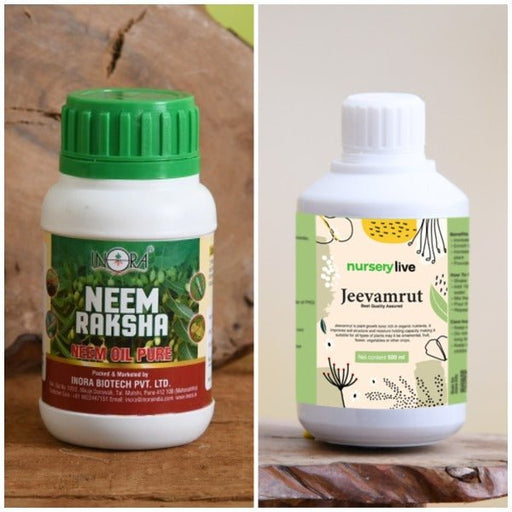
Mango trees can attract pests like aphids, mealybugs, and scale insects. It’s like a party you didn’t invite them to! Keep an eye out and use insecticidal soap or neem oil to send those uninvited guests packing. Your tree deserves a pest-free zone!
How do I fertilize my mango tree?
Fertilize your mango tree with a balanced fertilizer during the growing season. Think of it as a spa day for your tree! A little nitrogen, phosphorus, and potassium will keep it healthy and happy. Just don’t overdo it; too much fertilizer can lead to a cranky tree!
When is the best time to prune a mango tree?
Prune your mango tree in late winter or early spring before new growth begins. It’s like giving your tree a fresh haircut! This helps shape the tree and encourages better fruit production. Just remember, a little snip here and there goes a long way!
Can mango trees survive in cold climates?
Mango trees are tropical divas and prefer warm climates. They can tolerate brief cool spells, but anything below 30°F can be a disaster. If you live in a colder area, consider growing them in pots and bringing them indoors during winter. It’s like giving them a cozy vacation!
What are the benefits of growing a mango tree?
Growing a mango tree is like having a personal fruit factory! You get delicious, fresh mangoes right from your backyard. Plus, they provide shade, improve air quality, and attract pollinators. It’s a win-win situation—your taste buds and the environment will thank you!


 White Marble Pebbles (1 kg)
₹199
White Marble Pebbles (1 kg)
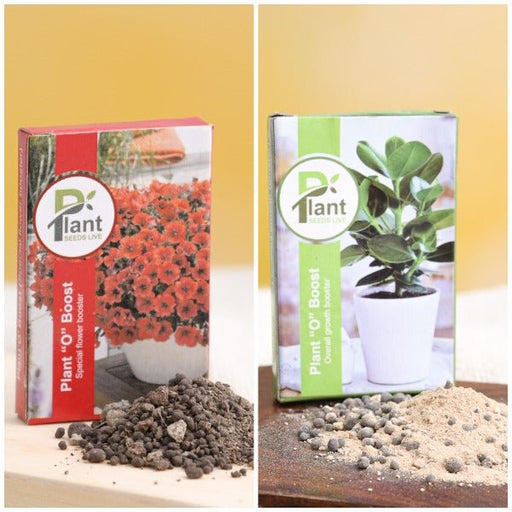
₹199 Plant O Boost — Growth Booster
₹239
Plant O Boost — Growth Booster
₹239 Garden Essential Plant Care Kit
₹599
Garden Essential Plant Care Kit
₹599