Liriodendron Tulipifera
Ah, the scientific name for the Tulip Tree, or as I like to call it, the tree that thinks it’s a flower! This majestic giant can reach heights of up to 100 feet, making it the skyscraper of the forest. With its unique tulip-shaped flowers, it’s like nature’s way of saying, “Look at me, I’m fabulous!” Not only does it provide shade, but it also attracts pollinators, making it the social butterfly of the botanical world.
Tulip Tree Care
Caring for a Tulip Tree is like raising a teenager—requires patience, the right environment, and a little bit of tough love. These trees thrive in well-drained soil and full sun, so make sure they’re not stuck in the shade like a moody teen. Regular watering and occasional pruning will keep them happy and healthy, ensuring they grow tall and proud, just like you hope your kids will!
Tulip Poplar Benefits
The Tulip Poplar is not just a pretty face; it’s a multitasking marvel! This tree offers a plethora of benefits, from providing shade on a hot summer day to acting as a natural air purifier. Its wood is prized for furniture and cabinetry, making it the go-to tree for eco-friendly carpenters. Plus, its flowers are a feast for bees, ensuring that your garden is buzzing with life. Talk about a tree that gives back!
Tulip Tree Growth Rate
If you’re looking for a fast-growing tree, the Tulip Tree is your new best friend. With a growth rate of up to 2 feet per year, it’s like the overachiever of the plant kingdom. In just a few years, you’ll have a towering beauty in your yard, providing shade and a sense of grandeur. Just remember, with great height comes great responsibility—like raking those leaves in the fall!
Tulip Tree Landscaping
Want to add a touch of elegance to your landscape? The Tulip Tree is the perfect choice! Its stunning flowers and unique foliage make it a standout feature in any garden. Plant it as a focal point or use it to create a natural privacy screen. Just be prepared for compliments from neighbors who will be green with envy at your botanical prowess!
Tulip Tree Wildlife Habitat
The Tulip Tree is like a five-star hotel for wildlife. Birds, bees, and butterflies all flock to this tree for its nectar and shelter. It’s a bustling hub of activity, making your garden a lively ecosystem. By planting a Tulip Tree, you’re not just beautifying your space; you’re also providing a home for our furry and feathered friends. Who knew being a tree hugger could be so rewarding?
Tulip Tree Fall Color
When autumn rolls around, the Tulip Tree puts on a show that would make any Broadway star jealous. Its leaves transform into a stunning palette of yellow and gold, creating a breathtaking display that rivals any fall festival. It’s like nature’s way of saying, “Look at me, I’m fabulous!” So grab your camera and get ready to capture the beauty of this seasonal spectacle.
Tulip Tree Pruning
Pruning a Tulip Tree is like giving it a stylish haircut—necessary for its health and appearance. Regular pruning helps maintain its shape and encourages healthy growth. Just be sure to wield your shears with care; you don’t want to turn your tree into a topiary gone wrong! A well-pruned Tulip Tree will not only look good but will also thrive for years to come.
Tulip Tree Propagation
Want to spread the love of Tulip Trees? Propagation is the way to go! You can grow new trees from seeds or cuttings, making it a fun project for the whole family. Just remember, patience is key—good things come to those who wait. Soon enough, you’ll have a mini forest of Tulip Trees, and your yard will be the envy of the neighborhood.
Tulip Tree Diseases
Like any celebrity, the Tulip Tree can face its fair share of drama, including diseases. Common issues include leaf spot and cankers, but fear not! With proper care and attention, you can keep your tree healthy and thriving. Regular inspections and timely treatments will ensure that your Tulip Tree remains the star of your garden, free from any pesky ailments.
Tulip Tree Uses
The Tulip Tree is not just a pretty face; it’s a versatile wonder! Its wood is lightweight yet strong, making it ideal for furniture, cabinetry, and even musical instruments. Plus, its flowers are not just for show; they attract pollinators and can even be used in herbal remedies. With so many uses, this tree is like the Swiss Army knife of the plant world—practical and stylish!


 White Marble Pebbles (1 kg)
₹199
White Marble Pebbles (1 kg)
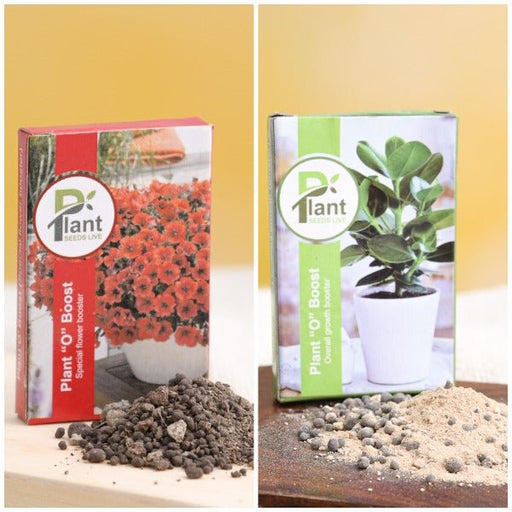
₹199 Plant O Boost — Growth Booster
₹239
Plant O Boost — Growth Booster
₹239 Garden Essential Plant Care Kit
₹599
Garden Essential Plant Care Kit
₹599