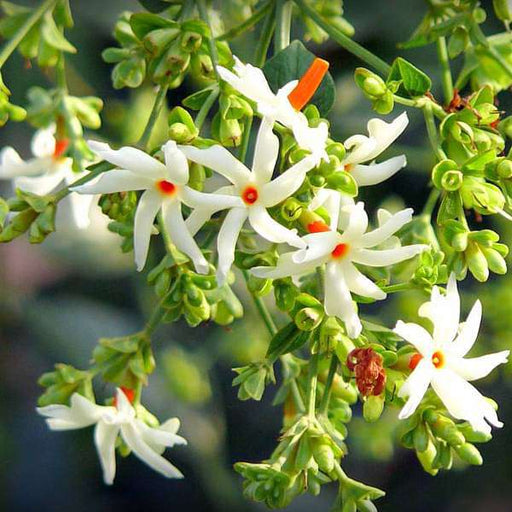
What is the European Lily, Lily of the Valley?
Ah, the European Lily, or Lily of the Valley, is a charming little perennial known for its delicate, bell-shaped flowers and sweet fragrance. It’s like nature’s own perfume factory, blooming in spring and bringing joy to gardens and woodland areas alike. Just don’t confuse it with its toxic berries—those are not for snacking!
How do I care for Lily of the Valley?
Caring for Lily of the Valley is a breeze! Plant them in well-drained soil with partial to full shade, and they’ll thrive like a diva. Water them regularly, but don’t drown them—these beauties prefer a light drink. Mulch to keep the roots cool, and watch them spread like gossip in a small town!
When does Lily of the Valley bloom?
Lily of the Valley blooms in spring, typically from April to June, like a floral alarm clock ringing in warmer days. Their tiny, fragrant bells are a delightful sight, signaling the end of winter’s dreariness. Just be patient; they take their sweet time to show off, but when they do, it’s worth the wait!
Is Lily of the Valley toxic?
Yes, indeed! Lily of the Valley is toxic to humans and pets, so keep those curious noses at bay. All parts of the plant contain cardiac glycosides, which can cause nausea, vomiting, and even more serious issues if ingested. So, while they’re a feast for the eyes, they’re definitely not a snack!
Can I grow Lily of the Valley in pots?
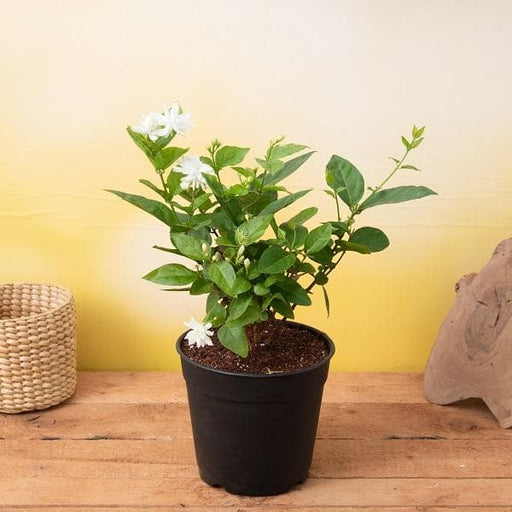
Absolutely! Growing Lily of the Valley in pots is like giving them a VIP section in your garden. Just ensure the pot has drainage holes and use quality potting soil. They’ll appreciate the cozy confines, and you’ll enjoy their lovely blooms on your patio or balcony. Just don’t forget to water them!
How fast does Lily of the Valley spread?
Lily of the Valley is the overachiever of the plant world, spreading quickly through rhizomes. In ideal conditions, they can form a lush carpet in just a few years. While this makes them great for filling spaces, be cautious—they can become a bit too friendly and take over your garden if left unchecked!
Where is the best place to plant Lily of the Valley?
The best place to plant Lily of the Valley is in a shady spot with well-drained soil. Think of it as their cozy hideaway, away from the harsh sun. They love to mingle with other shade-loving plants, creating a woodland wonderland. Just remember, they’re not fans of drought—keep them hydrated!
Can I use Lily of the Valley in floral arrangements?
While Lily of the Valley is stunning and fragrant, it’s best to admire them in the garden rather than in floral arrangements. Their delicate blooms don’t last long once cut, and their toxicity makes them a risky choice for bouquets. Instead, let them shine in their natural habitat, where they can truly dazzle!
What pests affect Lily of the Valley?
Lily of the Valley is generally pest-resistant, but watch out for pesky aphids and slugs. These little troublemakers can munch on the leaves and flowers, causing distress. A gentle spray of insecticidal soap or a sprinkle of diatomaceous earth can send them packing. Keep your lilies happy and pest-free with a little vigilance!
Can I divide Lily of the Valley?
Yes, dividing Lily of the Valley is like giving them a family reunion! You can do this every few years in early spring or fall. Just dig up the rhizomes, separate them, and replant. They’ll appreciate the extra space, and you’ll have more plants to share with friends—just don’t forget to warn them about the toxicity!
What are the ideal growing conditions for Lily of the Valley?
Lily of the Valley thrives in cool, moist environments with partial to full shade. They prefer rich, well-drained soil that retains some moisture, like a good sponge. Too much sun or dry conditions can make them sulky. So, create a cozy, shaded nook, and they’ll reward you with their enchanting blooms!
Is Lily of the Valley a perennial?
Yes, indeed! Lily of the Valley is a perennial superstar, returning year after year to grace your garden with its lovely presence. They’re like that reliable friend who always shows up for the party. With proper care, they’ll keep blooming and spreading, ensuring your garden remains a fragrant haven for seasons to come!


 White Marble Pebbles (1 kg)
₹199
White Marble Pebbles (1 kg)
₹199 Plant O Boost — Growth Booster
₹239
Plant O Boost — Growth Booster
₹239 Garden Essential Plant Care Kit
₹599
Garden Essential Plant Care Kit
₹599